Anterior Cervical Discectomy & Fusion ACDF Things To Know Before Surgery
Neck pain that radiates into the shoulder, arm, or hand can be more than a temporary discomfort. For many patients, it may signal nerve compression in the cervical spine caused by a herniated disc, degenerative disc disease, or spinal cord compression. When conservative treatments fail or neurologic symptoms progress, Anterior Cervical Discectomy and Fusion (ACDF) may become an important treatment option. As spine surgery techniques continue to evolve, ACDF remains one of the most established and reliable procedures for relieving nerve compression in the neck. Understanding who benefits from surgery, what recovery looks like, and what risks patients should realistically consider can help individuals make informed decisions about their care.
When Is It Time to Consider Surgery?
One of the most important questions patients ask is whether surgery is truly necessary.
Surgery is typically considered when:
- Symptoms persist despite appropriate conservative care
- Weakness develops or progresses
- Pain severely limits normal activities
- MRI imaging shows significant nerve or spinal cord compression
- Neurologic function is at risk
The decision is not based solely on MRI findings. Imaging must be correlated with symptoms, physical examination findings, and overall functional limitations. Importantly, the goal of surgery is not only pain relief. In many cases, surgery is also intended to prevent long-term or permanent nerve damage. Call Empire Spine & Pain Management, we help patients across New York & New Jersey with clinic locations at Plainview, NY • Clifton, NJ • Plainfield, NJ • Montville, NJ • Ronkonkoma, NY • New York, NY • New Hyde Park, NY
What Is Anterior Cervical Discectomy and Fusion (ACDF)?
ACDF is a surgical procedure performed through the front of the neck to remove a damaged cervical disc that is compressing a nerve root or the spinal cord.
The procedure has two primary goals:
- Relieve pressure on nerves or the spinal cord
- Stabilize the spine when necessary
During surgery, the damaged disc is removed, and depending on the patient’s condition, fusion may be performed using a spacer, bone graft, and small plate to stabilize the affected level. In selected patients, motion-preserving alternatives such as cervical disc replacement may also be considered.
Who Is a Good Candidate for ACDF?
Patients who are most commonly considered for ACDF often present with:
- Cervical radiculopathy causing:
- Arm pain
- Numbness
- Tingling
- Weakness
- Cervical spinal cord compression
- Degenerative disc disease
- Herniated cervical discs
- Progressive neurologic symptoms
- Persistent symptoms despite conservative treatment
Many patients first attempt non-surgical treatment options such as physical therapy, medications, injections, and activity modification. Surgery is generally considered when symptoms continue to significantly affect quality of life or when neurologic deficits worsen.
Common Symptoms That May Indicate Cervical Nerve Compression
Patients experiencing cervical disc problems may notice symptoms such as:
- Neck pain
- Pain radiating into the shoulder or arm
- Hand numbness or tingling
- Arm weakness
- Difficulty with coordination
- Loss of balance
- Reduced grip strength
In more severe cases involving spinal cord compression, patients may experience worsening balance issues, fine motor difficulties, or progressive weakness that should not be ignored.
Step-by-Step: How ACDF Is Performed
Watch Our Youtube Video On A Sucessful Patient Surgery
Although cervical spine surgery sounds intimidating to many patients, modern ACDF techniques are highly refined and designed to minimize tissue disruption.
In simple terms, the procedure typically involves:
- A small incision is made in the front of the neck
- The damaged disc is carefully removed
- Pressure is relieved from the affected nerve or spinal cord
- A spacer or implant may be placed to restore disc height and stability
- Fusion may be performed using a plate and graft material
- The incision is closed cosmetically
Modern surgical techniques focus on improving precision, minimizing tissue trauma, and enhancing recovery whenever possible.
ACDF vs Cervical Disc Replacement
Many patients researching cervical spine surgery ask whether fusion or disc replacement is better. The answer depends on the patient’s anatomy, spinal stability, degeneration pattern, and overall condition.
ACDF
ACDF remains one of the most established cervical procedures and offers:
- Reliable decompression
- Strong long-term outcomes
- Excellent stability
- Predictable fusion rates
Cervical Disc Replacement
Disc replacement may be appropriate for carefully selected patients who:
- Have isolated disc disease
- Maintain spinal stability
- Have limited arthritic degeneration
Potential advantages may include preserving motion at the treated level. However, not every patient is a candidate.
Common Misconceptions About Neck Surgery(FAQ)
Patients often delay evaluation because of fear or misinformation surrounding cervical spine surgery.
Some of the most common misconceptions include:
“Fusion means I won’t be able to move my neck.”
Most patients undergoing a one-level fusion maintain very good overall neck motion because the cervical spine contains multiple motion segments.
“All neck surgery is extremely dangerous.”
While all surgery carries risk, modern cervical spine procedures have become significantly safer due to advances in surgical techniques, imaging, and technology.
“If the pain improves slightly, the nerve must be healing.”
Pain fluctuations do not always reflect nerve recovery. In some cases, neurologic damage can continue progressing despite temporary symptom improvement.
“Surgery should always be avoided.”
Not all patients need surgery. However, delaying treatment too long in cases of progressive neurologic compression may reduce recovery potential.
Risks and Complications Patients Should Understand
Like any surgical procedure, ACDF carries potential risks and complications.
These may include:
- Infection
- Bleeding
- Hoarseness
- Swallowing difficulty
- Nerve injury
- Spinal cord injury
- Nonunion after fusion
- Adjacent segment degeneration
- Persistent or recurrent symptoms
Serious complications are uncommon, but informed decision-making requires patients to understand both the benefits and risks of surgery.
What Recovery Looks Like After ACDF
Recovery varies depending on the number of levels treated, the patient’s health, and the specific procedure performed.
Weeks 1–2
Patients commonly experience:
- Sore throat
- Neck soreness
- Fatigue
Walking is encouraged early, and some patients may wear a cervical collar depending on the procedure.
Weeks 2–6
During this phase:
- Arm pain often continues improving
- Light work may become possible
- Heavy lifting restrictions remain in place
Months 2–3
Patients gradually increase activity levels and may begin physical therapy or rehabilitation exercises.
Although many symptoms improve relatively quickly, fusion healing continues over several months.
Real Patient Outcomes and Success Stories
One patient presented with severe arm weakness and debilitating pain that prevented sleep. Following surgery, the arm pain improved almost immediately, while strength gradually recovered over the following months. Another patient experiencing progressive spinal cord compression developed worsening balance and hand coordination problems. After decompression and fusion, balance and hand function improved significantly. These cases reinforce an important principle in spine care: treating nerve compression before permanent nerve injury develops can dramatically improve recovery potential.
Factors That Affect Surgical Outcomes
Several factors can influence recovery and long-term success after ACDF, including:
- Duration of nerve compression
- Smoking status
- Bone quality
- Diabetes and overall health
- Severity of nerve damage
- Number of spinal levels treated
- Compliance with postoperative restrictions
In general, earlier treatment before severe permanent neurologic injury develops often leads to better outcomes.
Same-Day Surgery vs Hospital Stay
Many modern one-level ACDF procedures can safely be performed on an outpatient basis in carefully selected patients.
However, some individuals may benefit from overnight observation depending on:
- Medical history
- Number of levels treated
- Complexity of surgery
- Overall health status
The decision is individualized based on patient safety and recovery needs.
What Patients Should Know Before Searching Online
One of the biggest challenges today is the overwhelming amount of online information regarding spine surgery.
Patients should understand that:
- Every spine condition is unique
- MRI findings alone do not determine treatment
- Not all patients require surgery
- “Minimally invasive” does not mean minor surgery
- Online discussions often reflect extreme experiences rather than typical outcomes
The best treatment decisions come from combining imaging findings, physical examination, symptom severity, neurologic status, and individualized medical discussion.
Final Thoughts
Anterior Cervical Discectomy and Fusion remains one of the most effective and time-tested procedures for treating cervical nerve and spinal cord compression. While surgery is not appropriate for every patient, timely intervention in properly selected individuals can relieve pain, restore function, and help prevent long-term neurologic damage. For patients experiencing persistent arm pain, numbness, weakness, or signs of spinal cord compression, early evaluation by a qualified spine specialist can play an important role in determining the safest and most effective treatment plan.
What Our Patients Say

Dr. John Akhnoukh
Articles: 14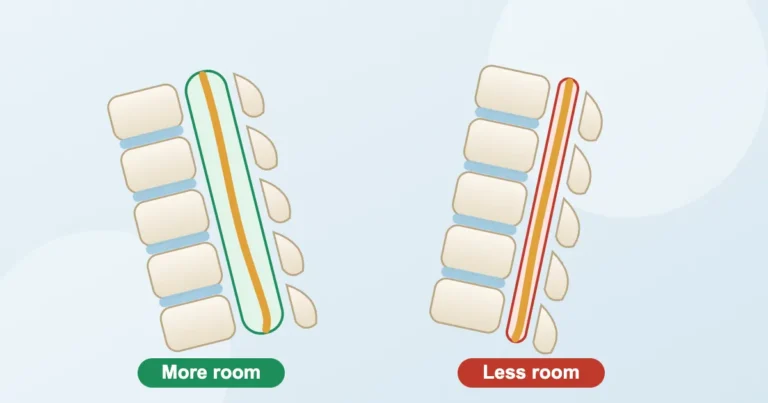

Our Plainview office has moved
Find us at our new location:
520 Old Country Rd
Plainview, NY 11803
Same doctors, same phone numbers.
Most Major Plans,
No-Fault & Personal Injury.
We accept most major insurance plans across our New York and New Jersey offices. Select your state to see accepted plans.
Accepted at our New York Locations
Workers' Compensation
No-Fault (NY & NJ)
Lien Cases
Medicare
Empire BCBS
BCBS / Anthem
Cigna
Aetna
Empire NYSHIP
Oxford (PPO)
United Health Care
GHI / Emblem Health
Humana (PPO)
Magnacare (PPO)
Northwell Direct
1199 SEIU
Self Pay
Accepted at our New Jersey Locations
No-Fault (NJ)
Lien Cases
Horizon BCBS
Empire NYSHIP
BCBS / Anthem (PPO)
Cigna
Aetna (PPO)
GHI / Emblem (PPO)
Port Authority UHC
Verizon Plan
Carpenter & Trade Unions
Self Pay
Medicare, Medicaid and Workers' Compensation are not accepted at our New Jersey locations. Not sure about your plan? Call us and we'll verify before your visit.
Not sure about your plan?
Call Us — 516-229-1443
Verify Your Coverage for FREE
Enter your information and our team will confirm your benefits before your visit.
✓ HIPAA Compliant
✓ No Obligation
✓ Same-Day Response
Your information is encrypted and secure. By submitting, you consent to receive communications regarding your appointment. You may opt out at any time.
Meet Our Pain Management & Orthopedic Specialists
Board-certified physicians dedicated to accurate diagnosis and minimally invasive care.

Pain Management
John Akhnoukh, M.D.
Board Certified Anesthesiologist & Interventional Pain Management Physician
Visit Profile



Pain Management
James Yu, D.O.
Board Certified Anesthesiologist & Interventional Pain Management Physician
Visit Profile

Pain Management
Benjamin Souferi, D.O.
Fellowship-Trained Interventional Pain Medicine Physician (Cleveland Clinic)
Visit ProfilePain Conditions Affecting Daily Life
Improve your quality of life with our comprehensive approach to pain management
We are dedicated to finding individualized treatment options tailored to fit your needs. Our team is dedicated to helping you lead a productive and active life, free from pain and disruption.
Our Locations
Pain management and orthopedic care across New York and New Jersey.