Golfers Elbow Pain & Treatment
Medial epicondylitis, commonly known as golfer’s elbow, is a condition characterized by pain and inflammation on the inner part of the elbow. Call us today to make an appointment for Golfer’s pain treatment we serve patients across New York and New Jersey, including communities such as Plainview, Ronkonkoma, New Hyde Park, Montville, Clifton and Plainfield.
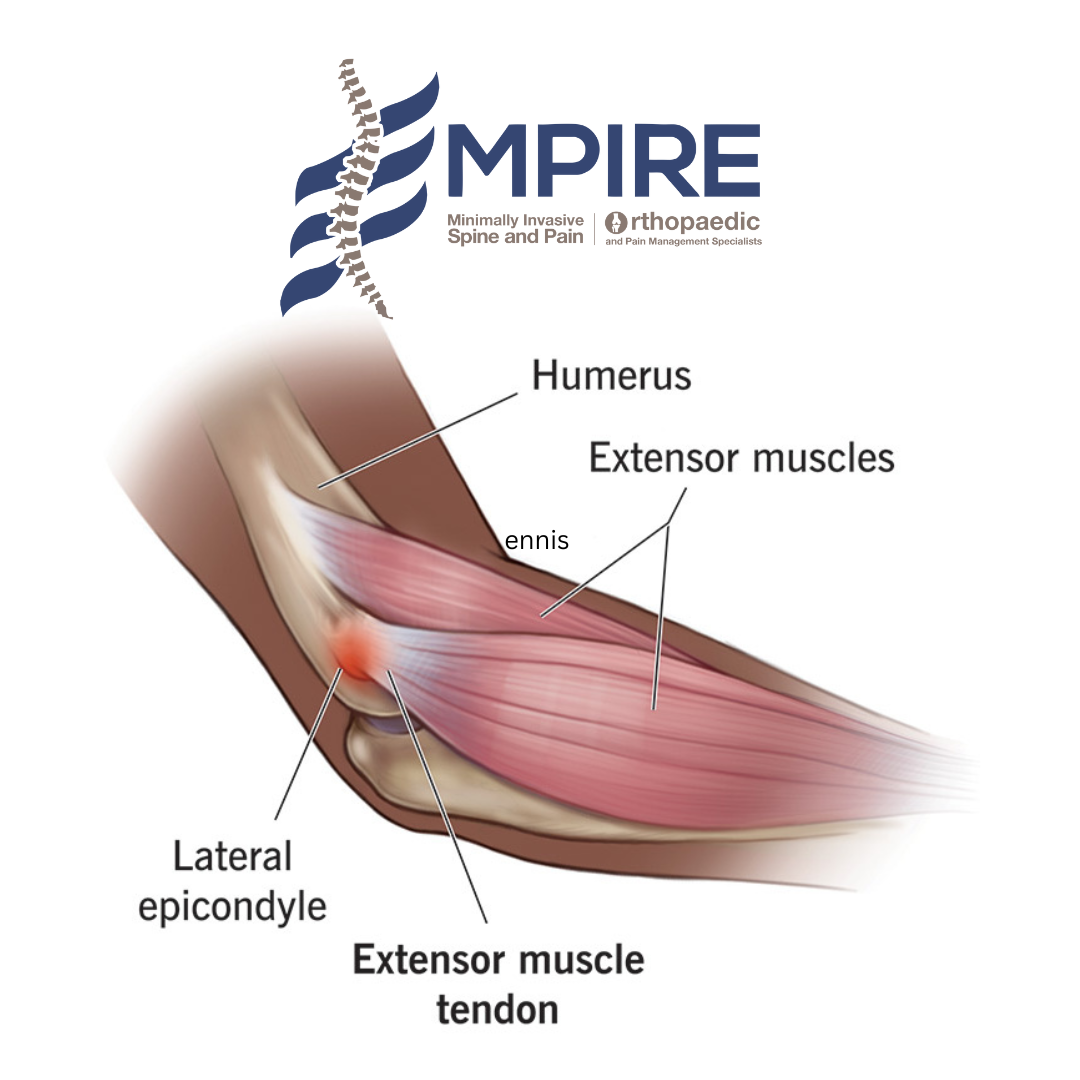
Golfer’s elbow — medically called medial epicondylitis — is pain on the inner side of the elbow from overusing the forearm tendons. Like tennis elbow, you don’t have to play the sport to get it; any repetitive gripping or wrist-flexing motion can cause it. Most cases heal without surgery. Our orthopedic and sports medicine team treats it across Long Island and northern New Jersey, with offices in Plainview, New Hyde Park, and Ronkonkoma, NY, and Clifton, Montville, and Plainfield, NJ.
The short version
- Golfer’s elbow is an overuse injury of the tendons on the inner elbow — the inner-side counterpart to tennis elbow.
- The main symptom is pain and tenderness on the inner elbow, worse with gripping and wrist bending.
- Treatment centers on rest, bracing, and physical therapy — not surgery.
- The large majority of cases resolve with conservative care, though it can take several months.
What golfer’s elbow is
Golfer’s elbow develops when the tendons connecting your forearm muscles to the inner part of the elbow become irritated or break down from repetitive stress. Gripping, twisting, and repeated wrist-flexing motions — from sports, manual work, or daily tasks — are common triggers. It’s the same kind of tendon-overload problem as tennis elbow, just on the opposite (inner) side of the elbow.
The hallmark symptom is pain and tenderness on the inner elbow that worsens with gripping or bending the wrist, and it may radiate down the inner forearm. Some people also notice weakness in the grip.
How golfer’s elbow is treated
Treatment is conservative and effective for most people:
- Relative rest and activity modification — easing the aggravating motion, or adjusting technique and ergonomics, is the critical first step.
- Bracing and ice — a counterforce strap plus ice and anti-inflammatory medication help settle symptoms.
- Physical therapy — eccentric strengthening of the forearm tendons is the cornerstone of lasting recovery.
- Injections — for stubborn cases, a corticosteroid injection can give short-term relief, or PRP therapy may support tendon healing.
- Surgery — rarely needed, and only after months of full conservative care haven’t helped.
Straight talk: Golfer’s elbow, like tennis elbow, can be slow to settle and very rarely needs surgery. The reliable path is activity change plus a good strengthening program — and we’ll give you an honest timeline rather than promising a quick fix.
Are you a candidate for treatment?
It’s worth being evaluated when:
- You have persistent inner-elbow pain that worsens with gripping or wrist bending
- Rest and home care haven’t resolved it
- The pain is affecting work, sport, or daily activities
- You want a structured plan to recover and prevent recurrence
Related conditions
If your pain is on the outer side of the elbow instead, see our tennis elbow page. If you have inner-elbow pain with tingling into the ring and little fingers, see cubital tunnel syndrome, or return to our elbow pain overview.
Why patients across Long Island and North Jersey choose Empire
We’re a local orthopedic and sports medicine practice, so your evaluation, therapy, and follow-up all happen close to home with the same team.
- New York: Plainview, New Hyde Park, and Ronkonkoma — across Nassau and Suffolk
- New Jersey: Clifton, Montville, and Plainfield — serving Passaic, Morris, and Union County communities
- Orthopedics and sports medicine under one roof
- Regenerative options like PRP for stubborn tendon problems
Insurance
Coverage varies by plan and by location, and we accept many major insurance plans across our New York and New Jersey offices. The simplest way to know exactly what your plan covers is to call — our team will verify your benefits before your visit, so there are no surprises. Whether you’re on Long Island or in North Jersey, reach out and we’ll walk you through your options.
Frequently asked questions
What’s the difference between golfer’s elbow and tennis elbow?
They’re the same type of tendon-overuse injury on opposite sides of the elbow: golfer’s elbow affects the inner side, tennis elbow the outer side. Treatment principles are very similar.
What causes golfer’s elbow?
Repetitive gripping and wrist-flexing that overloads the inner-elbow tendons — from sports, manual work, or daily activities. Over time this irritates and breaks down the tendon.
Will golfer’s elbow heal on its own?
Many cases improve with rest and activity changes, though it can take time. Getting evaluated early tends to speed recovery and prevents the problem from becoming chronic.
How long does recovery take?
Many cases improve within 6 to 12 weeks of consistent care, with full recovery sometimes taking several months. Sticking with the strengthening program is what makes the improvement last.
Do I need surgery?
Rarely. The large majority of cases resolve without surgery. It’s considered only when symptoms persist for many months despite full conservative treatment.
Can I keep exercising with golfer’s elbow?
Often you can continue some activity while easing the motion that flares it, then build back gradually. A therapist will help you find the right balance.
Inner-elbow pain when you grip or lift?
Our orthopedic and sports medicine team sees patients across Long Island, NY and northern New Jersey. We’ll confirm it’s golfer’s elbow and build a plan to get you back to activity.
New York: 516-229-1443 | New Jersey: 732-630-7246
SC
Medically reviewed by Dr. Salvatore Corso, M.D. — Board-certified Orthopedic & Sports Medicine Surgeon
Last reviewed July 2026 · Empire Minimally Invasive Spine & Pain
What Our Patients Say
Our Plainview office has moved
Find us at our new location:
520 Old Country Rd
Plainview, NY 11803
Same doctors, same phone numbers.
Most Major Plans,
No-Fault & Personal Injury.
We accept most major insurance plans across our New York and New Jersey offices. Select your state to see accepted plans.
Accepted at our New York Locations
Workers' Compensation
No-Fault (NY & NJ)
Lien Cases
Medicare
Empire BCBS
BCBS / Anthem
Cigna
Aetna
Empire NYSHIP
Oxford (PPO)
United Health Care
GHI / Emblem Health
Humana (PPO)
Magnacare (PPO)
Northwell Direct
1199 SEIU
Self Pay
Accepted at our New Jersey Locations
No-Fault (NJ)
Lien Cases
Horizon BCBS
Empire NYSHIP
BCBS / Anthem (PPO)
Cigna
Aetna (PPO)
GHI / Emblem (PPO)
Port Authority UHC
Verizon Plan
Carpenter & Trade Unions
Self Pay
Medicare, Medicaid and Workers' Compensation are not accepted at our New Jersey locations. Not sure about your plan? Call us and we'll verify before your visit.
Not sure about your plan?
Call Us — 516-229-1443
Verify Your Coverage for FREE
Enter your information and our team will confirm your benefits before your visit.
✓ HIPAA Compliant
✓ No Obligation
✓ Same-Day Response
Your information is encrypted and secure. By submitting, you consent to receive communications regarding your appointment. You may opt out at any time.
Meet Our Pain Management & Orthopedic Specialists
Board-certified physicians dedicated to accurate diagnosis and minimally invasive care.
Pain Management
John Akhnoukh, M.D.
Board Certified Anesthesiologist & Interventional Pain Management Physician
Visit Profile
Pain Management
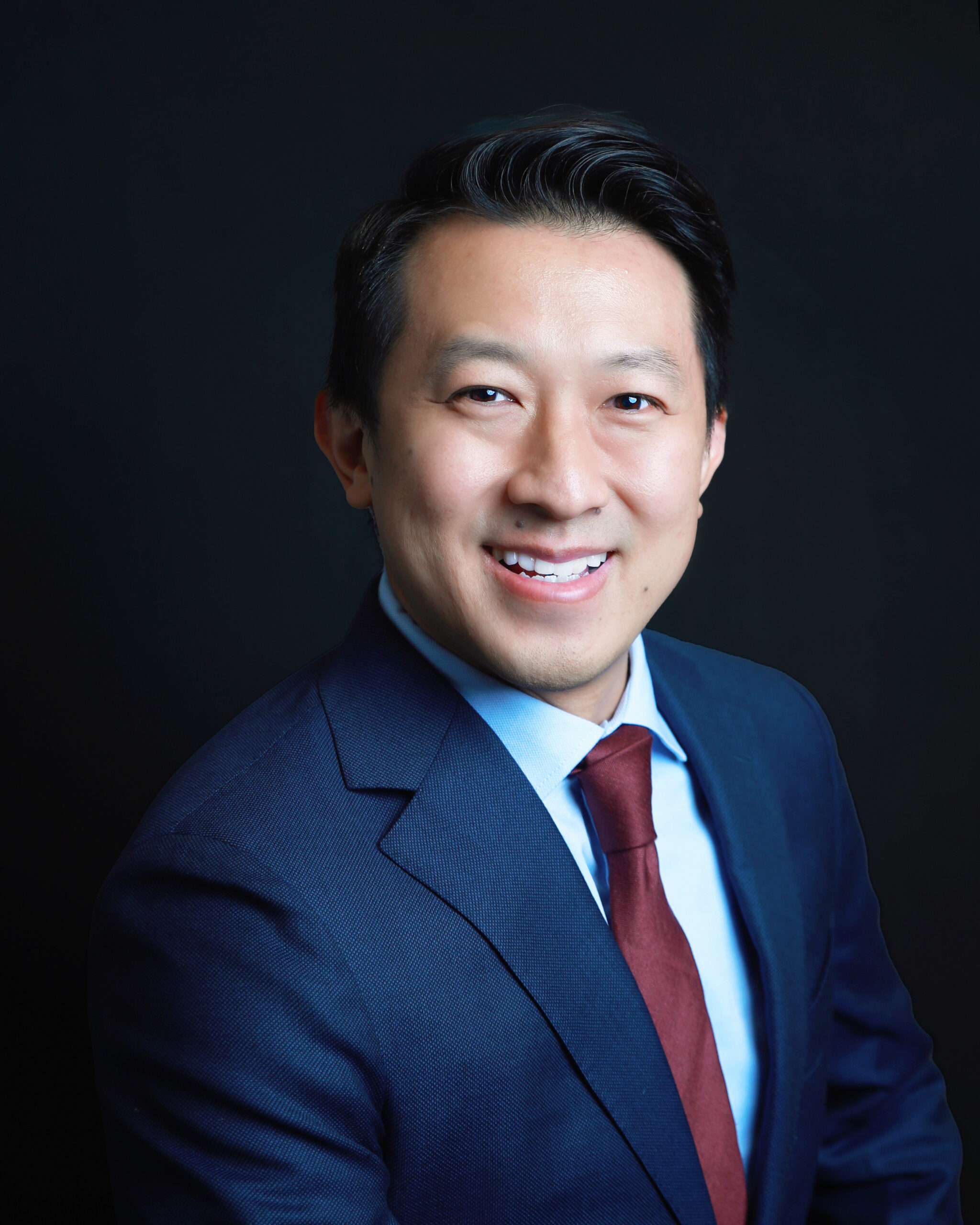
James Yu, D.O.
Board Certified Anesthesiologist & Interventional Pain Management Physician
Visit Profile
Pain Management
Benjamin Souferi, D.O.
Fellowship-Trained Interventional Pain Medicine Physician (Cleveland Clinic)
Visit ProfilePain Conditions Affecting Daily Life
Improve your quality of life with our comprehensive approach to pain management
We are dedicated to finding individualized treatment options tailored to fit your needs. Our team is dedicated to helping you lead a productive and active life, free from pain and disruption.
Our Locations
Pain management and orthopedic care across New York and New Jersey.