interspinous process spacer Overview:
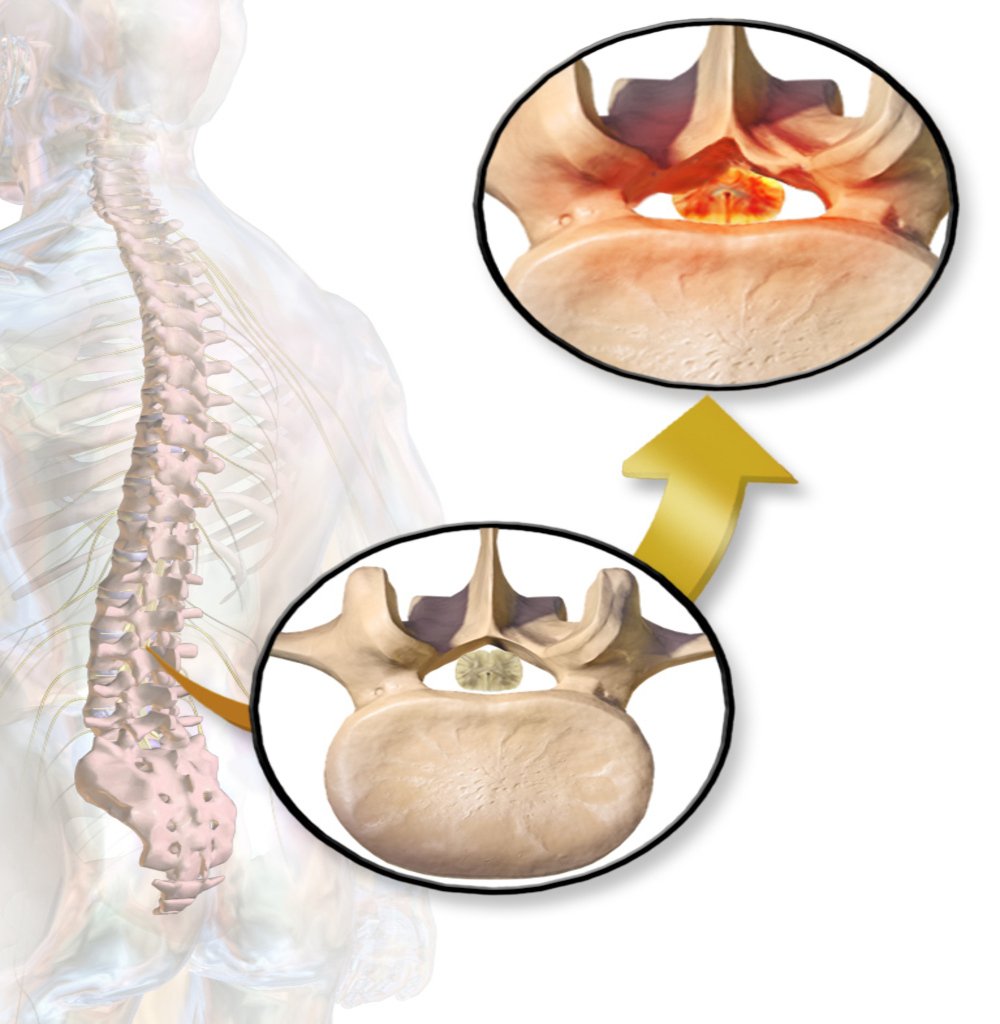
An interspinous process spacer is a medical device that is implanted between the spinous processes of the vertebrae in the lower back. The spinous processes are bony protuberances that can be felt along the midline of the back, and they provide attachment points for the muscles and ligaments of the spine. The purpose of an interspinous process spacer is to create space between the vertebrae and reduce pressure on the spinal nerves, which can help to relieve pain and improve mobility in the lower back.
The spacer is typically made of a biocompatible material such as titanium or polyetheretherketone (PEEK) and is shaped like a small wedge. It is inserted through a small back incision and is held with screws or other fixation devices. The procedure to implant an interspinous process spacer is typically performed under general anesthesia and takes about an hour to complete.
Several different brands of interspinous process spacers are available on the market, and they are often used as an alternative to more invasive procedures such as laminectomy or fusion surgery. While the procedure is generally considered safe, some potential risks and complications can occur, including infection, bleeding, and damage to the surrounding nerves or tissues. As with any surgical procedure, it is important to carefully weigh the potential benefits and risks with a healthcare provider before deciding to undergo treatment
FAQ for Interspinous Process Spacer Implant:
What is the recovery time for interspinous spacers?
Most patients return to light daily activities within a few days to a few weeks after the procedure. Recovery depends on overall health, activity level, and the severity of spinal stenosis before treatment.
What is the success rate of interspinous spacers?
Interspinous spacer implants have shown strong success rates in reducing leg pain, numbness, and walking difficulty caused by lumbar spinal stenosis. Many patients report improved mobility and less pressure on spinal nerves.
What are the risks of interspinous spacers?
Possible risks include infection, bleeding, implant movement, nerve irritation, or ongoing back pain. Complications are uncommon when the procedure is performed by an experienced spine or pain management specialist.
Can L4 and L5 problems be cured permanently?
Treatment for L4-L5 spinal conditions focuses on long-term pain relief and improved function. While degeneration cannot always be reversed, procedures like interspinous spacers can help reduce nerve compression and improve quality of life.
Who is a candidate for interspinous spacers?
Patients with lumbar spinal stenosis, leg pain while walking, numbness, or lower back discomfort that improves when bending forward may be good candidates for an interspinous spacer implant after conservative treatments fail.
JA
Medically reviewed by Dr. John Akhnoukh, M.D. — Board-certified in Anesthesiology & Interventional Pain Management
Last reviewed July 2026 · Empire Minimally Invasive Spine & Pain
What Our Patients Say
Our Plainview office has moved
Find us at our new location:
520 Old Country Rd
Plainview, NY 11803
Same doctors, same phone numbers.
Most Major Plans,
No-Fault & Personal Injury.
We accept most major insurance plans across our New York and New Jersey offices. Select your state to see accepted plans.
Accepted at our New York Locations
Workers' Compensation
No-Fault (NY & NJ)
Lien Cases
Medicare
Empire BCBS
BCBS / Anthem
Cigna
Aetna
Empire NYSHIP
Oxford (PPO)
United Health Care
GHI / Emblem Health
Humana (PPO)
Magnacare (PPO)
Northwell Direct
1199 SEIU
Self Pay
Accepted at our New Jersey Locations
No-Fault (NJ)
Lien Cases
Horizon BCBS
Empire NYSHIP
BCBS / Anthem (PPO)
Cigna
Aetna (PPO)
GHI / Emblem (PPO)
Port Authority UHC
Verizon Plan
Carpenter & Trade Unions
Self Pay
Medicare, Medicaid and Workers' Compensation are not accepted at our New Jersey locations. Not sure about your plan? Call us and we'll verify before your visit.
Not sure about your plan?
Call Us — 516-229-1443
Verify Your Coverage for FREE
Enter your information and our team will confirm your benefits before your visit.
✓ HIPAA Compliant
✓ No Obligation
✓ Same-Day Response
Your information is encrypted and secure. By submitting, you consent to receive communications regarding your appointment. You may opt out at any time.
Meet Our Pain Management & Orthopedic Specialists
Board-certified physicians dedicated to accurate diagnosis and minimally invasive care.

Pain Management
John Akhnoukh, M.D.
Board Certified Anesthesiologist & Interventional Pain Management Physician
Visit Profile



Pain Management
James Yu, D.O.
Board Certified Anesthesiologist & Interventional Pain Management Physician
Visit Profile

Pain Management
Benjamin Souferi, D.O.
Fellowship-Trained Interventional Pain Medicine Physician (Cleveland Clinic)
Visit ProfilePain Conditions Affecting Daily Life
Improve your quality of life with our comprehensive approach to pain management
We are dedicated to finding individualized treatment options tailored to fit your needs. Our team is dedicated to helping you lead a productive and active life, free from pain and disruption.
Our Locations
Pain management and orthopedic care across New York and New Jersey.