PNS IMPLANT Overview:
A Peripheral Nerve Stimulator implant is a medical device that is used to manage chronic pain. The device is placed under the skin and consists of tiny electrodes that are attached to a peripheral nerve. The electrodes deliver electrical pulses to the nerve, which can help to block pain signals from reaching the brain. PNS implants are typically used to treat chronic pain that is not responsive to other treatments, such as medications or physical therapy. They are commonly used to treat conditions such as chronic back pain, neck pain, and nerve pain.
The implant procedure is typically performed in a hospital or outpatient surgery center and is done under local anesthesia. The surgeon will make a small incision in the patient’s skin and place the electrodes on the nerve. The device is then connected to a small generator, which is placed under the skin in the patient’s abdomen or buttocks.
After the procedure, the patient will be able to control the device using a remote control. The electrical pulses can be adjusted to achieve the desired level of pain relief.
Overall, PNS implants are a safe and effective treatment option for many people with chronic pain. They can help significantly reduce pain and improve the quality of life for those not responding to other treatments.
Common FAQ for Peripheral Nerve Implants:
How a PNS implant works
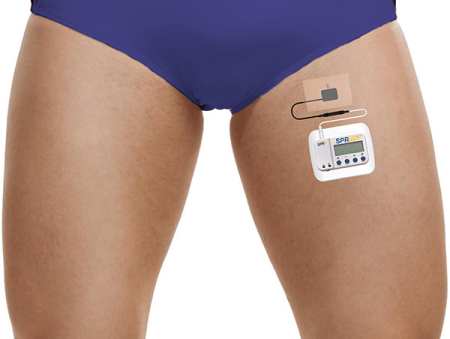
A peripheral nerve stimulator (PNS) uses a thin wire, called a lead, placed next to the nerve that carries your pain signal. Your physician guides it into position with ultrasound or X-ray imaging. Mild electrical pulses then interrupt the pain signal before it reaches the brain. Depending on the system, the lead is powered by a small device worn on the skin or by a small implanted battery.
Temporary vs. long-term PNS
Some PNS systems are temporary. The lead stays in for up to about 60 days and is then removed. Other systems are implanted for the long term, usually after a successful trial. Your physician will explain which type fits your pain and goals.
The PNS trial: try it first
Before a long-term implant, most patients have a trial period to see how much the stimulation helps in daily life. If the relief is meaningful, the long-term device is placed. If it isn’t, the trial lead is removed, and nothing permanent has been done.
Who is a candidate for a PNS implant?
PNS may be an option if you have:
- Chronic pain in an area supplied by a specific nerve
- Pain that hasn’t improved enough with medication, physical therapy, injections, or nerve blocks
- Conditions such as nerve pain after surgery or injury, chronic low back pain, shoulder pain, or headaches from the occipital nerves
Your physician may first use a diagnostic nerve block to confirm which nerve is involved.
What to expect: procedure and recovery
- Outpatient procedure under local anesthesia, sometimes with light sedation
- Most people go home the same day
- Some soreness where the lead was placed for a few days
- Follow your physician’s activity limits while the lead settles
- Your device settings are adjusted at follow-up visits
Risks
PNS is minimally invasive, but no procedure is risk-free. Possible risks include lead movement, infection, skin irritation, bruising or bleeding, and lead breakage. Not everyone gets enough relief, which is one reason the trial matters.
PNS vs. spinal cord stimulator
PNS targets a single peripheral nerve for pain in a specific area, such as the shoulder, knee, or low back. A spinal cord stimulator works on the spinal cord and is often used for more widespread back and leg pain. Our guide to spinal cord stimulator pros and cons covers that option in more detail.
Wondering if PNS is right for you? Call 516-229-1443 (NY) or 732-630-7246 (NJ) to schedule an evaluation.
What are the side effects of a peripheral nerve stimulator implant?
Most patients tolerate PNS implants well, but some may experience temporary soreness, mild swelling, skin irritation, or lead movement after the procedure. Serious complications are rare when performed by an experienced pain specialist.
What is the most successful treatment for peripheral neuropathy?
The best treatment depends on the cause of the nerve damage. Options may include medications, physical therapy, lifestyle changes, nerve blocks, and advanced treatments like Peripheral Nerve Stimulation for long-term pain relief.
Can nerve damage be reversed?
Some types of nerve damage can improve when the underlying cause is treated early. While severe nerve injury may not fully heal, modern pain management treatments can reduce symptoms, improve function, and help patients stay active.
How often does a peripheral nerve stimulator need to be replaced?
Battery life varies by device type and usage. Rechargeable systems can last several years, while non-rechargeable stimulators may need replacement sooner. Your pain management specialist monitors device performance during follow-up visits.
JA
Medically reviewed by Dr. John Akhnoukh, M.D. — Board-certified in Anesthesiology & Interventional Pain Management
Last reviewed July 2026 · Empire Minimally Invasive Spine & Pain
What Our Patients Say
Our Plainview office has moved
Find us at our new location:
520 Old Country Rd
Plainview, NY 11803
Same doctors, same phone numbers.
Most Major Plans,
No-Fault & Personal Injury.
We accept most major insurance plans across our New York and New Jersey offices. Select your state to see accepted plans.
Accepted at our New York Locations
Workers' Compensation
No-Fault (NY & NJ)
Lien Cases
Medicare
Empire BCBS
BCBS / Anthem
Cigna
Aetna
Empire NYSHIP
Oxford (PPO)
United Health Care
GHI / Emblem Health
Humana (PPO)
Magnacare (PPO)
Northwell Direct
1199 SEIU
Self Pay
Accepted at our New Jersey Locations
No-Fault (NJ)
Lien Cases
Horizon BCBS
Empire NYSHIP
BCBS / Anthem (PPO)
Cigna
Aetna (PPO)
GHI / Emblem (PPO)
Port Authority UHC
Verizon Plan
Carpenter & Trade Unions
Self Pay
Medicare, Medicaid and Workers' Compensation are not accepted at our New Jersey locations. Not sure about your plan? Call us and we'll verify before your visit.
Not sure about your plan?
Call Us — 516-229-1443
Verify Your Coverage for FREE
Enter your information and our team will confirm your benefits before your visit.
✓ HIPAA Compliant
✓ No Obligation
✓ Same-Day Response
Your information is encrypted and secure. By submitting, you consent to receive communications regarding your appointment. You may opt out at any time.
Meet Our Pain Management & Orthopedic Specialists
Board-certified physicians dedicated to accurate diagnosis and minimally invasive care.

Pain Management
John Akhnoukh, M.D.
Board Certified Anesthesiologist & Interventional Pain Management Physician
Visit Profile



Pain Management
James Yu, D.O.
Board Certified Anesthesiologist & Interventional Pain Management Physician
Visit Profile

Pain Management
Benjamin Souferi, D.O.
Fellowship-Trained Interventional Pain Medicine Physician (Cleveland Clinic)
Visit ProfilePain Conditions Affecting Daily Life
Improve your quality of life with our comprehensive approach to pain management
We are dedicated to finding individualized treatment options tailored to fit your needs. Our team is dedicated to helping you lead a productive and active life, free from pain and disruption.
Our Locations
Pain management and orthopedic care across New York and New Jersey.