Spinal Cord Stimulator Implant
A Dorsal Column Spinal Cord Stimulator (SCS) implant is a medical device that is used to manage chronic pain.
Call us today to make an appointment we serve patients across New York and New Jersey, including communities such as Plainview, Ronkonkoma, New Hyde Park, Montville, and Plainfield.
What is a spinal cord stimulator?
A spinal cord stimulator is a small implanted device that sends mild electrical pulses to the spinal cord to calm chronic back, leg or nerve pain. You test it first with a temporary trial of about a week. If your pain drops enough, a permanent device is placed, often as an outpatient procedure.
Long Island and Westchester, NY: 516-229-1443 · Clifton, NJ: 732-630-7246

A Dorsal Column Spinal Cord Stimulator (SCS) implant is a medical device that is used to manage chronic pain. The device is placed under the skin and consists of small electrodes (leads) that sit in the epidural space, just outside the spinal cord. The electrodes deliver electrical pulses to the spinal cord, which can help to block pain signals from reaching the brain. SCS implants are typically used to treat chronic pain that is not responsive to other treatments, such as medications or physical therapy. They are commonly used to treat conditions such as chronic back pain, neck pain, and nerve pain. The implant procedure is typically performed in a hospital or outpatient surgery center and is done under local anesthesia. The surgeon will make a small incision in the patient’s back and place the electrodes in the epidural space near the spinal cord. The device is then connected to a small generator, which is placed under the skin in the patient’s abdomen or buttocks. After the procedure, the patient will be able to control the device using a remote control. The electrical pulses can be adjusted to achieve the desired level of pain relief. For carefully selected patients whose pain has not responded to other treatments, SCS can reduce pain and make daily activities easier. It does not work for everyone, which is why a trial always comes first.
Who is a candidate for a spinal cord stimulator?
A spinal cord stimulator (SCS) is usually considered when chronic pain has lasted for months and has not improved enough with medicine, physical therapy, injections or surgery. It does not fix the cause of pain. It changes how pain signals reach your brain.
Our pain physicians most often consider SCS for people with:
- Failed back surgery syndrome – back or leg pain that continues after spine surgery.
- Complex regional pain syndrome (CRPS) – severe, burning pain, often in an arm or leg, after an injury.
- Chronic radicular pain – nerve pain that shoots down a leg or arm, such as long-lasting sciatica.
- Painful diabetic neuropathy – burning or tingling pain in the feet and legs from diabetes. The FDA has approved SCS systems for this use (PubMed review).
These match the conditions Cleveland Clinic lists for spinal cord stimulation.
A psychological evaluation is often required. Medicare and many private insurers ask for a psychological screening before a trial (CMS coverage policy L35136). This is routine. Chronic pain affects sleep, mood and stress, and the screening helps make sure you get the most out of the device.
Your doctor will also review your imaging, your past treatments and your general health. Some people are better served by another treatment first. If so, we will tell you.
The trial comes first
You do not commit to a permanent implant right away. First comes a trial.
- How it is placed: Your doctor uses x-ray guidance to place thin temporary wires (leads) near the spinal cord through a needle. The leads connect to a small battery you wear outside your body. The trial placement is usually outpatient, so you go home the same day (Cleveland Clinic).
- How long it lasts: Usually about a week. Medicare policy describes a typical trial of 1 to 2 weeks (CMS L35136).
- What you do: Go about your normal day and track your pain, sleep and activity. Keep the leads dry and avoid bending, twisting and heavy lifting.
- What counts as success: Medicare policy defines a successful trial as at least a 50% drop in your target pain, or a 50% drop in pain medicine, plus some improvement in how you function (CMS L35136).
If the trial does not help enough, the temporary leads are removed and no permanent device is placed.
The permanent implant
If your trial goes well, the permanent system is placed in a separate procedure. The leads go in through a small cut in your back. A small battery (generator) is placed under the skin, usually near the top of the buttock. Nothing stays outside your body (Cleveland Clinic).
Johns Hopkins notes the implant usually takes about two hours and patients can often go home the same day (Johns Hopkins Medicine). Your care team will tell you if you need an overnight stay.
Recovery basics
- Keep the incisions clean and change bandages for about a week.
- Avoid bending, stretching, heavy lifting and hard exercise until your surgeon clears you.
- Expect a follow-up visit about two weeks after the implant.
- Plan on four to six weeks for your body to heal around the leads and generator (Cleveland Clinic).
Living with a stimulator
- You are in control. A handheld remote or app lets you change settings or turn the device off.
- Charging. Some systems are rechargeable. You hold a charger over the skin near the generator for a short time. Others have a non-rechargeable battery that is replaced in a minor procedure when it runs low.
- MRI scans. Some stimulators are labeled “MR Conditional.” That means an MRI may be possible if specific safety conditions are met (FDA). Other devices are not safe for MRI. Always tell your imaging team you have a stimulator, and carry your device ID card.
- Travel and security. The device can set off metal detectors. Show your ID card to security staff.
- Driving. Turn the stimulator off before driving or using heavy machinery (Cleveland Clinic).
Weighing whether it is worth it? Read our honest look at spinal cord stimulator pros and cons.
Risks of a spinal cord stimulator
SCS is a surgical implant, so it carries risks. Cleveland Clinic and FDA device labeling list risks such as:
- Infection or bleeding at the incision
- Pain or soreness where the generator sits
- Leads moving out of place or breaking, which may need another procedure
- The generator or battery not working correctly
- Uncomfortable tingling or changes in stimulation
- A spinal fluid leak that can cause a headache
- Pain relief that fades over time
- Rarely, nerve or spinal cord injury
SCS does not work for everyone. That is why the trial matters so much.
Related options: DRG stimulation and peripheral nerve stimulation
Spinal cord stimulation is one type of neuromodulation. Depending on where your pain is, your doctor may also talk with you about:
- Dorsal root ganglion (DRG) stimulation – targets one specific nerve root area. It may suit pain focused in one spot, such as part of a leg or foot.
- Peripheral nerve stimulation (PNS) – places a small lead next to a single nerve outside the spine, for pain that comes from one nerve.
Spinal cord stimulator cost and insurance
Your cost depends on your plan’s deductible, copay and coinsurance. Many plans require prior authorization, records of the treatments you have tried, a psychological evaluation and a successful trial before they cover the permanent implant. Our team checks your benefits and requests authorization before your trial.
New York offices (Plainview, New Hyde Park, Ronkonkoma, Yonkers)We accept most major insurance plans, including Medicare, New York workers’ compensation (including federal OWCP/DOL/FECA claims) and no-fault auto insurance.
New Jersey office (Clifton)We accept PPO and POS plans, in-network and out-of-network, and personal injury protection (PIP) auto claims.
Where we offer spinal cord stimulator care
Consultations, trial planning and follow-up visits take place at our offices. Your care team will explain where your trial and implant procedures will be performed. Same-week appointments are available for new patients.
New York
Pain physicians: Dr. John Akhnoukh, Dr. Monika Misak, Dr. James Yu and Dr. Benjamin Souferi, DO.
New Jersey
Pain physicians: Dr. John Akhnoukh and Dr. Monika Misak.
Spinal cord stimulator FAQs
Who is a good candidate for a spinal cord stimulator?
People with chronic back, leg or nerve pain that has not improved enough with other treatments. Common reasons include pain after spine surgery, complex regional pain syndrome, long-lasting sciatica-type nerve pain and painful diabetic neuropathy. A consultation, imaging review and psychological screening help decide if SCS fits you.
How long is the spinal cord stimulator trial?
Usually about a week. Medicare policy describes a typical trial of 1 to 2 weeks. Temporary leads are placed and connected to a battery you wear outside your body while you track your pain and activity.
What counts as a successful trial?
Medicare policy defines success as at least a 50% drop in your target pain, or a 50% drop in pain medicine, along with some improvement in daily function. If the trial does not help enough, the temporary leads are removed and no permanent device is placed.
Can a spinal cord stimulator help after failed back surgery?
It can. Ongoing pain after spine surgery, often called failed back surgery syndrome, is one of the most common reasons SCS is considered. It targets pain signals without more surgery on the spine itself.
Is a spinal cord stimulator covered by insurance?
Often, when coverage rules are met, such as a psychological evaluation and a successful trial. In New York we accept most major plans, including Medicare, workers’ compensation and no-fault. At our Clifton, NJ office we accept PPO and POS plans and PIP auto claims. We verify your benefits before your trial.
Can I get an MRI with a spinal cord stimulator?
It depends on your device. Some stimulators are labeled MR Conditional, which means an MRI may be possible under specific safety conditions. Others are not MRI safe. Always tell your imaging team about your stimulator and bring your device ID card.
Living with chronic pain that other treatments have not solved?
Ask our pain team whether a spinal cord stimulator trial makes sense for you.
Long Island and Westchester, NY: 516-229-1443 · Clifton, NJ: 732-630-7246
Sources: Cleveland Clinic, Johns Hopkins Medicine, CMS LCD L35136, U.S. FDA, PubMed. This page is for general education and is not a substitute for medical advice.
Our Back Pain Treatment Options May Include:
Epidural Steroid Injections
Radiofrequency Ablation (RFA)
Spinal Cord Stimulator Implant
Kyphoplasty / Vertebroplasty
Basivertebral Nerve Ablation
PRP Therapy
Regenerative Disc Injections
JA
Medically reviewed by Dr. John Akhnoukh, M.D. — Board-certified in Anesthesiology & Interventional Pain Management
Last reviewed July 2026 · Empire Minimally Invasive Spine and Pain
What Our Patients Say
Our Plainview office has moved
Find us at our new location:
520 Old Country Rd
Plainview, NY 11803
Same doctors, same phone numbers.
Most Major Plans,
No-Fault & Personal Injury.
We accept most major insurance plans across our New York and New Jersey offices. Select your state to see accepted plans.
Accepted at our New York Locations
Workers' Compensation
No-Fault (NY & NJ)
Lien Cases
Medicare
Empire BCBS
BCBS / Anthem
Cigna
Aetna
Empire NYSHIP
Oxford (PPO)
United Health Care
GHI / Emblem Health
Humana (PPO)
Magnacare (PPO)
Northwell Direct
1199 SEIU
Self Pay
Accepted at our New Jersey Locations
No-Fault (NJ)
Lien Cases
Horizon BCBS
Empire NYSHIP
BCBS / Anthem (PPO)
Cigna
Aetna (PPO)
GHI / Emblem (PPO)
Port Authority UHC
Verizon Plan
Carpenter & Trade Unions
Self Pay
Medicare, Medicaid and Workers' Compensation are not accepted at our New Jersey locations. Not sure about your plan? Call us and we'll verify before your visit.
Not sure about your plan?
Call Us — 516-229-1443
Verify Your Coverage for FREE
Enter your information and our team will confirm your benefits before your visit.
✓ HIPAA Compliant
✓ No Obligation
✓ Same-Day Response
Your information is encrypted and secure. By submitting, you consent to receive communications regarding your appointment. You may opt out at any time.
Meet Our Pain Management & Orthopedic Specialists
Board-certified physicians dedicated to accurate diagnosis and minimally invasive care.

Pain Management
John Akhnoukh, M.D.
Board Certified Anesthesiologist & Interventional Pain Management Physician
Visit Profile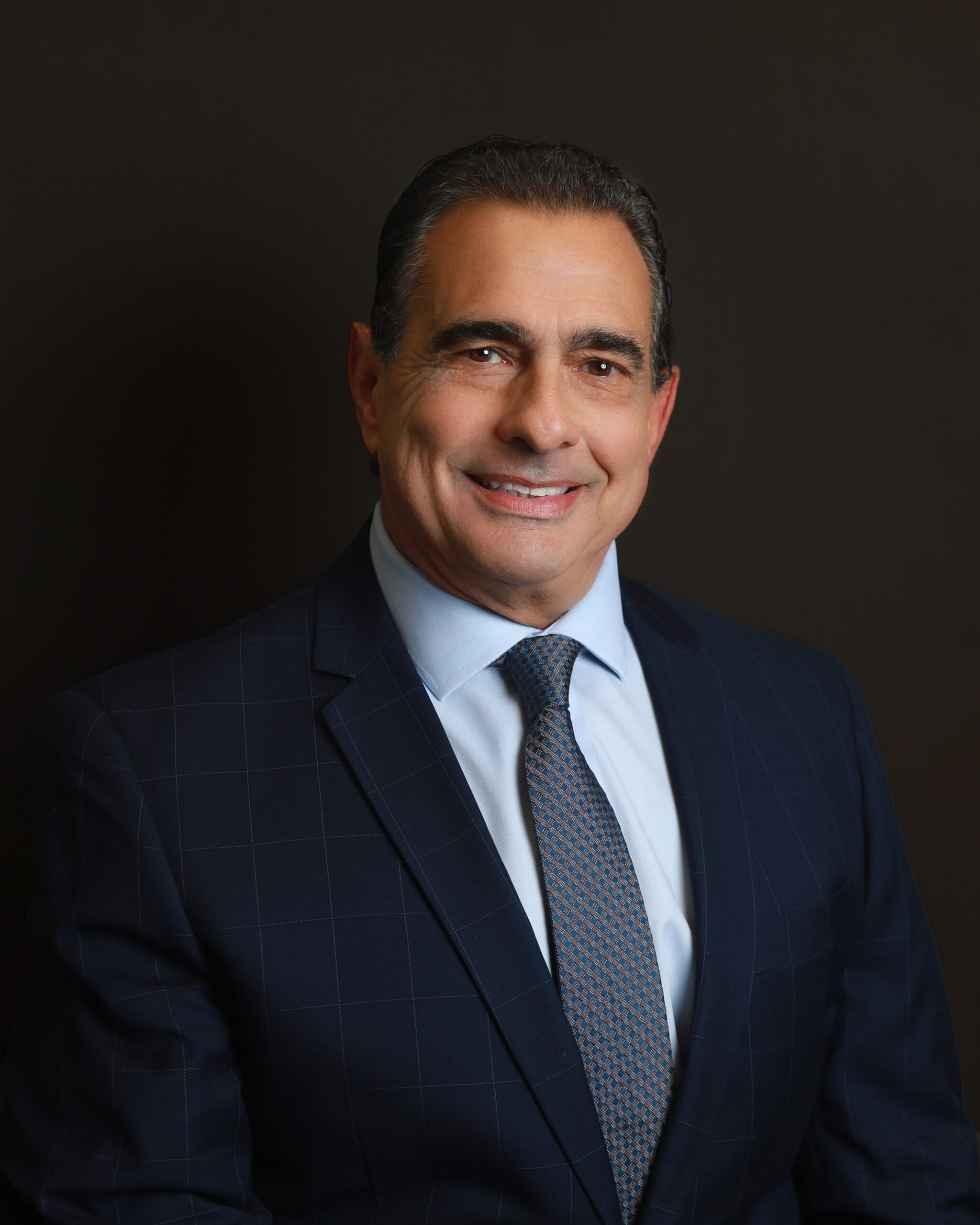


Pain Management
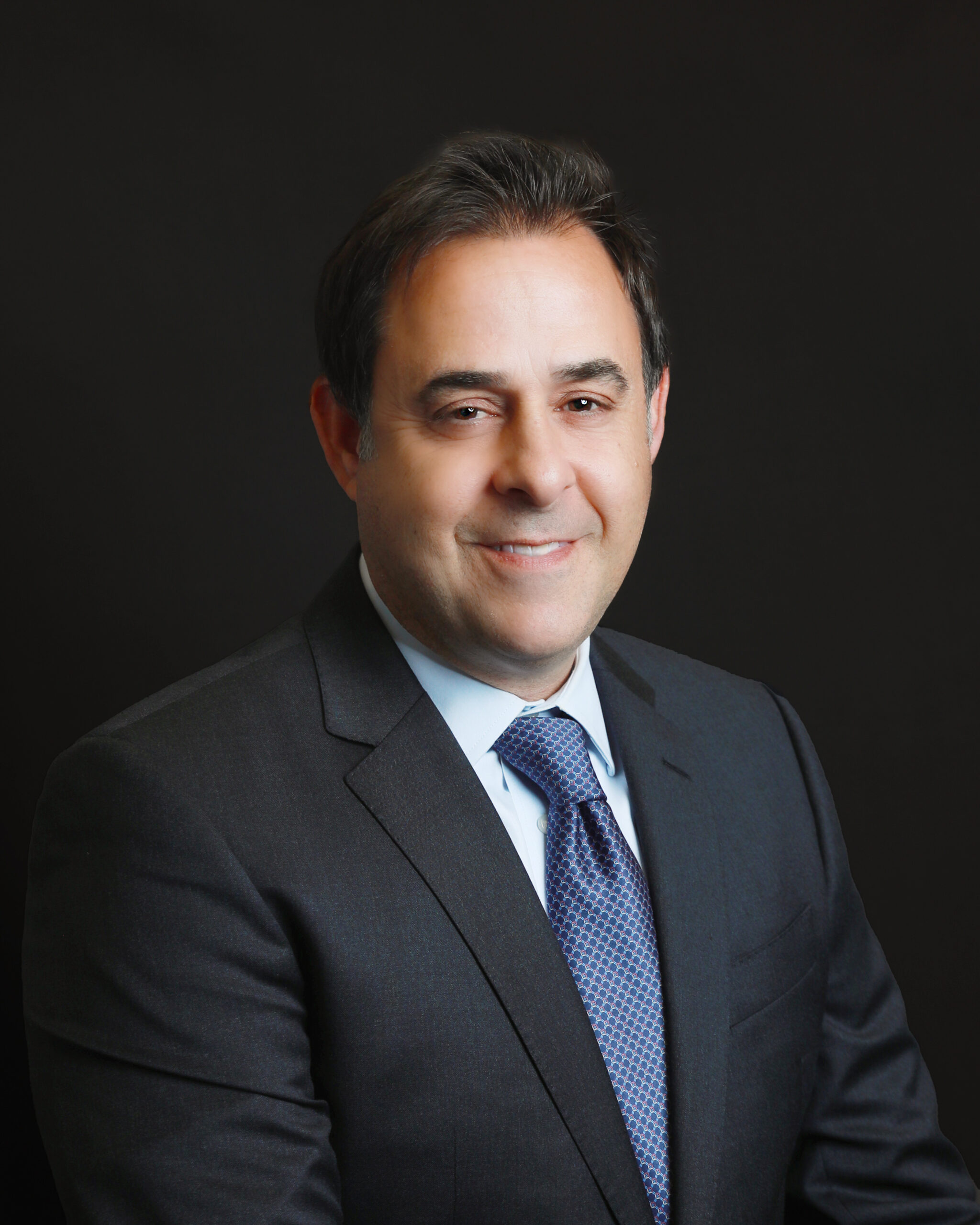
James Yu, D.O.
Board Certified Anesthesiologist & Interventional Pain Management Physician
Visit Profile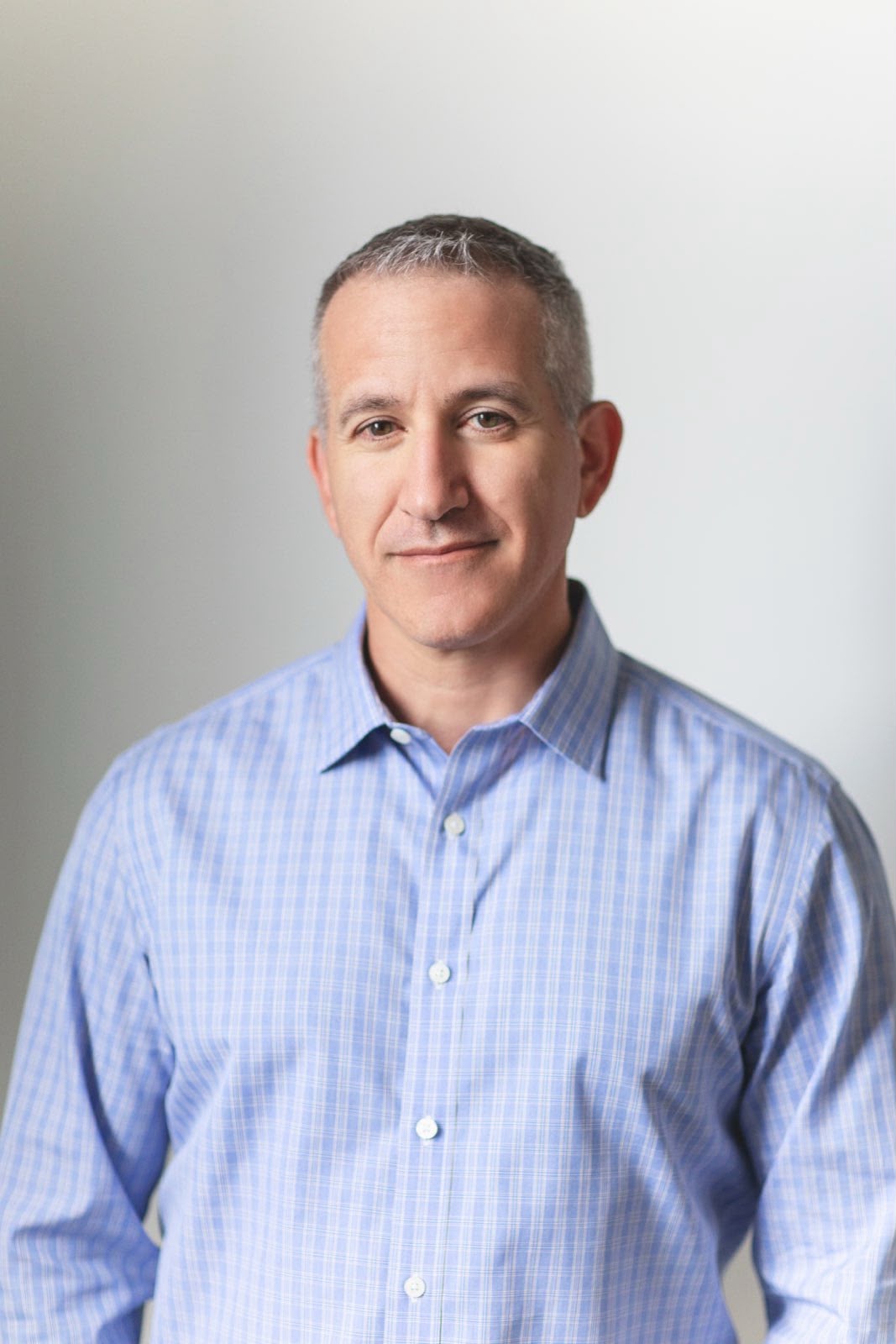
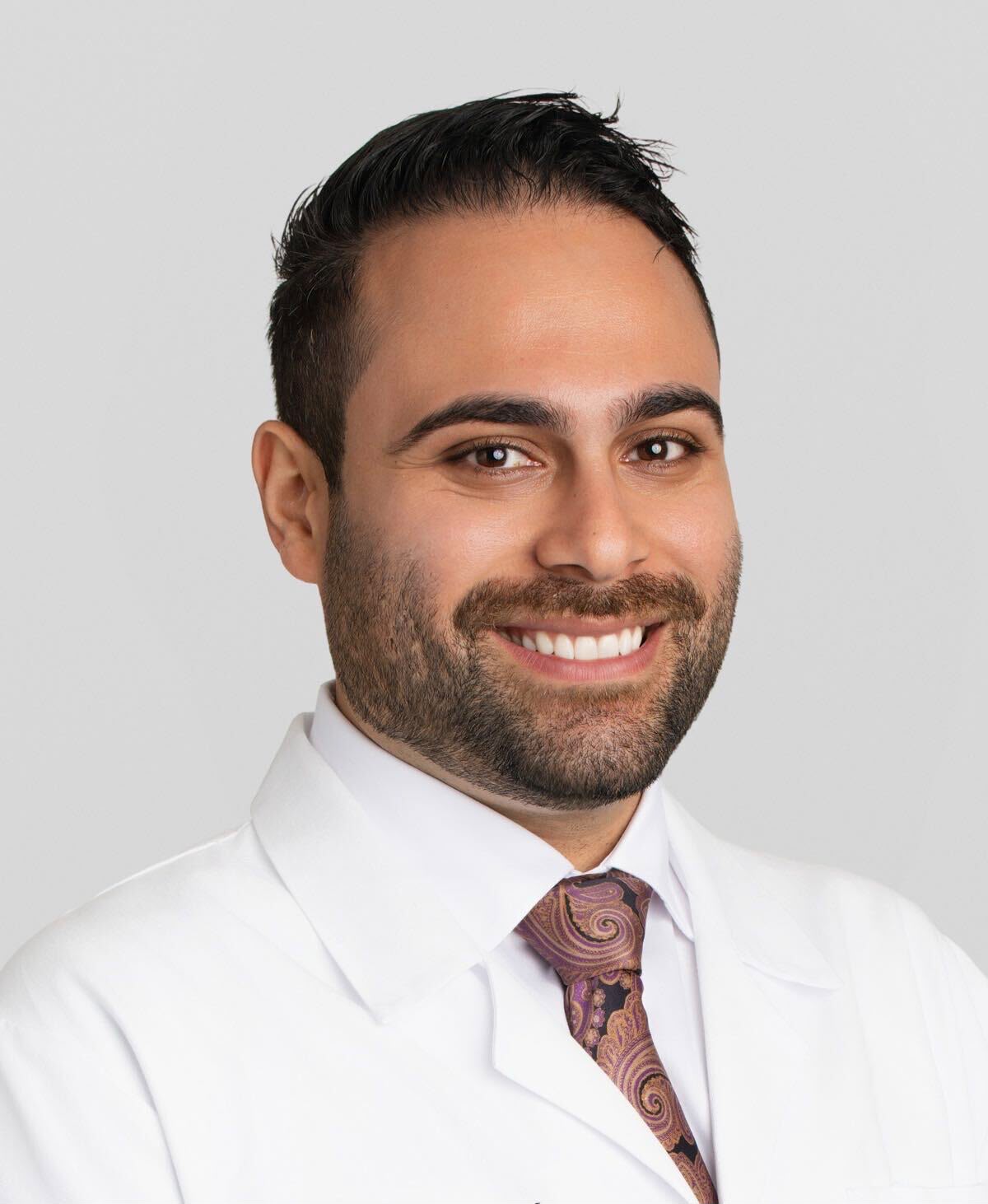
Pain Management
Benjamin Souferi, D.O.
Fellowship-Trained Interventional Pain Medicine Physician (Cleveland Clinic)
Visit ProfilePain Conditions Affecting Daily Life
Improve your quality of life with our comprehensive approach to pain management
We are dedicated to finding individualized treatment options tailored to fit your needs. Our team is dedicated to helping you lead a productive and active life, free from pain and disruption.
Our Locations
Pain management and orthopedic care across New York and New Jersey.