PRP Therapy / Injections
PRP — Platelet-Rich Plasma — therapy uses a concentrated dose of your own blood plasma, rich in growth factors, to support your body’s natural healing process in an injured or damaged area. Call us today to make an appointment — we serve patients across New York and New Jersey, including communities such as Plainview, Ronkonkoma, New Hyde Park, Montville, and Plainfield.
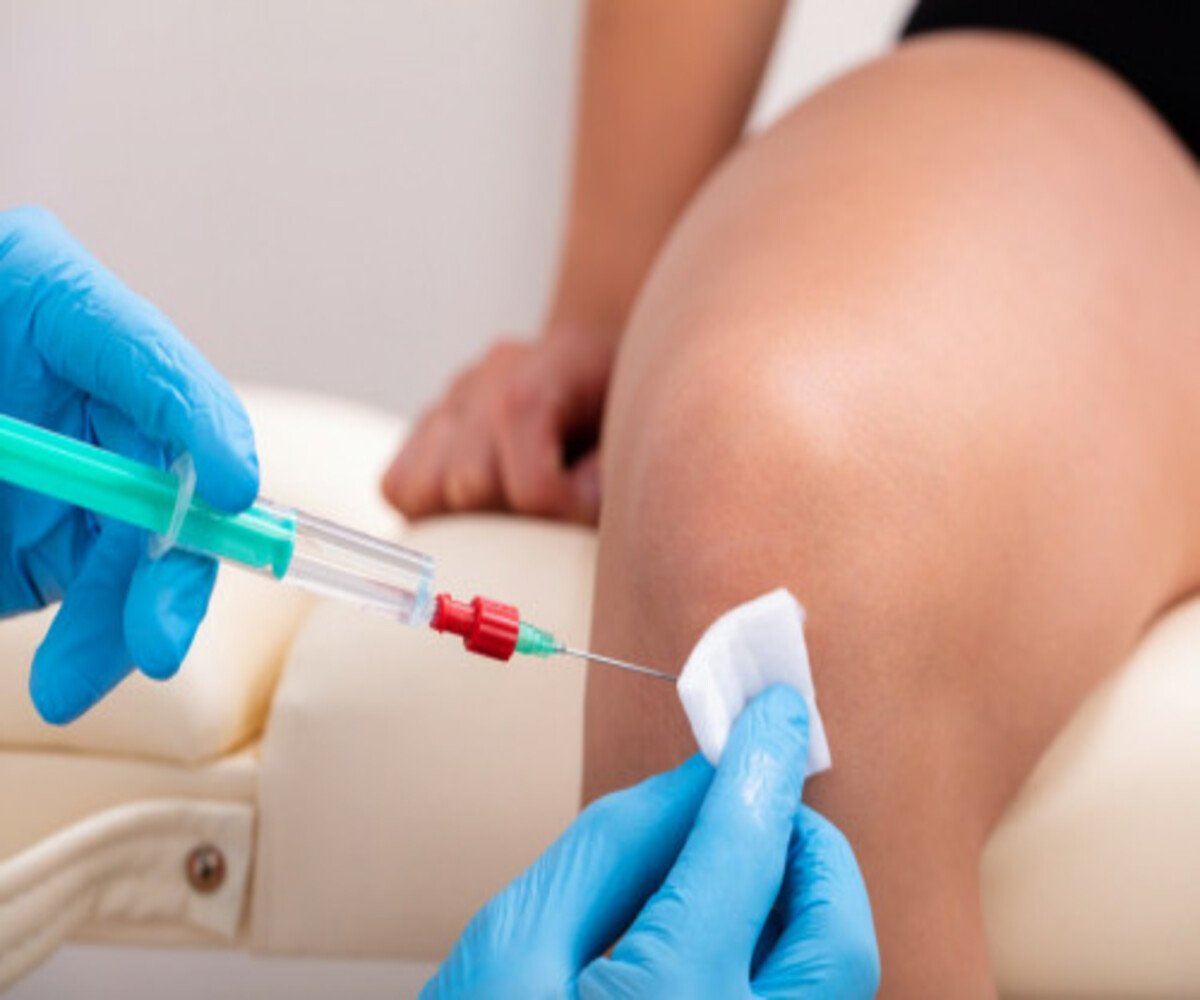
Blood plasma is the liquid part of blood, carrying proteins and growth factors that play a role in tissue repair. In PRP therapy, we draw a small blood sample and spin it in a centrifuge to separate and concentrate the platelets and growth factors. That concentrated plasma is then injected into the affected area to support healing.
Empire has been involved with concentrated platelet treatments for tissue healing since well before PRP became widely known — Dr. Salvatore Corso, one of our orthopedic surgeons, presented on the use of concentrated platelets during orthopedic surgery to promote faster healing at North Shore University Hospital Grand Rounds and to the American Podiatric Medical Association back in 2007.
If a stubborn joint, tendon, or ligament injury hasn’t settled with rest, physical therapy, or medication, platelet-rich plasma (PRP) therapy may help your body heal itself. Our physicians perform PRP injections across Long Island and northern New Jersey — with offices in Plainview, New Hyde Park, and Ronkonkoma, NY, and Clifton, Montville, and Plainfield, NJ.
The short version
- PRP concentrates the healing platelets and growth factors from a small sample of your own blood, then injects them into the injured area.
- It’s most useful for tendon injuries, mild-to-moderate joint arthritis, and soft-tissue problems that haven’t fully healed.
- The whole visit — blood draw, processing, and injection — usually takes under an hour, and you go home the same day.
- Because it uses your own blood, the risk of allergic reaction is very low. Results build over weeks, not days.
What PRP therapy actually is
Your blood carries platelets — cell fragments packed with growth factors that your body uses to repair tissue after an injury. PRP therapy puts a concentrated dose of those growth factors exactly where you need them. We draw a small sample of your blood, spin it in a centrifuge to separate and concentrate the platelets, and inject that concentrated plasma into the injured joint, tendon, or ligament, often using ultrasound guidance for accuracy.
The goal is to support your body’s own healing response in an area that’s been slow to recover. It’s called an autologous treatment, meaning everything injected comes from your own body — nothing synthetic and no donor material.
What PRP can help with
PRP has the most evidence behind it for musculoskeletal problems, particularly:
- Chronic tendon injuries such as tennis elbow, golfer’s elbow, and Achilles or patellar tendon pain
- Osteoarthritis of the knee and other joints, especially mild to moderate cases
- Ligament and muscle injuries that have been slow to heal
- Injuries that haven’t responded well to physical therapy or medication alone
According to the American Academy of Orthopaedic Surgeons, PRP has been used for chronic tendon problems, certain acute sports injuries, and knee osteoarthritis, though it works best as part of a broader plan rather than on its own.
An honest word on expectations: PRP is not a cure-all. It cannot reverse advanced cartilage loss or replace surgery when a tendon or ligament is fully torn. It works best alongside physical therapy and activity changes — and it isn’t the right fit for every patient, which is why we evaluate your specific case before recommending it.
Are you a candidate?
PRP tends to make sense when:
- You have a tendon, ligament, or mild-to-moderate joint problem that hasn’t fully healed
- Conservative care — rest, therapy, medication — hasn’t gotten you where you want to be
- You’d like to support healing and potentially delay or avoid surgery
- You prefer a treatment that uses your own biology rather than long-term medication
We follow a step-by-step approach, so we’ll be straight with you about whether PRP is a reasonable option for your situation or whether another treatment fits better. Empire’s experience with concentrated platelet treatments runs deep — Dr. Salvatore Corso, one of our orthopedic surgeons, presented on the use of concentrated platelets to promote faster healing at North Shore University Hospital Grand Rounds and to the American Podiatric Medical Association back in 2007, well before PRP became widely known.
What to expect
PRP is done in-office on an outpatient basis, without general anesthesia. The full visit — blood draw, centrifuge processing, and injection — typically takes 30 minutes to an hour. You’ll feel a brief pinch at the blood draw and some pressure during the injection.
Most people return to normal activity within a few days. Because PRP works by prompting your body’s healing response, the benefit builds gradually — it can take several weeks to feel the full effect, and some conditions call for a short series of injections spaced a few weeks apart.
PRP compared with a cortisone injection
Patients often ask how PRP differs from a steroid (cortisone) shot. They do different jobs:
| PRP injection | Cortisone injection | |
|---|---|---|
| What it does | Supports tissue healing with your own growth factors | Reduces inflammation and pain |
| Onset | Builds over weeks | Often within days |
| Made from | Your own blood | Medication |
| Best role | Slow-healing tendon or mild-to-moderate joint problems | Short-term flare relief |
Some studies of knee osteoarthritis have found PRP compares favorably to certain traditional injections, though research is still developing and results vary by patient. We’ll help you weigh which approach fits your goals.
Why patients across Long Island and North Jersey choose Empire
We’re a local pain and orthopedic practice, not a national hospital system — so your evaluation, injection, and follow-up all happen close to home with the same team.
- New York: Plainview, New Hyde Park, and Ronkonkoma — across Nassau and Suffolk
- New Jersey: Clifton, Montville, and Plainfield — serving Passaic, Morris, and Union County communities
- Interventional pain management and orthopedics under one roof
- Ultrasound-guided technique for precise, targeted injections
Insurance
Coverage varies by plan and by location, and we accept many major insurance plans across our New York and New Jersey offices. Many insurers consider PRP an elective treatment, so the simplest way to know exactly what applies to you is to call — our team will verify your benefits and go over any costs before your visit, so there are no surprises. Whether you’re on Long Island or in North Jersey, reach out and we’ll walk you through your options.
Frequently asked questions
Is PRP therapy covered by insurance?
It depends on your insurer and the condition being treated. Many plans treat PRP as elective, so coverage varies. Our team can verify your specific coverage and explain any out-of-pocket cost before you schedule.
Does PRP therapy hurt?
Most patients feel a brief pinch from the blood draw and some pressure during the injection. Soreness at the injection site is common for a few days as the healing response gets going, and usually settles on its own.
How many PRP sessions will I need?
It depends on your condition and how you respond. Some people improve after a single session, while others do better with a short series spaced a few weeks apart. We’ll map out a plan after evaluating you.
How long does it take PRP to work?
PRP works gradually because it supports your body’s own repair process. Many people start noticing change over several weeks, with continued improvement after that rather than instant relief.
Is PRP the same as stem cell therapy?
No. PRP concentrates the platelets and growth factors from your own blood. It does not use stem cells. PRP is the regenerative option we offer for the conditions described here.
Who is a good candidate for PRP?
Generally, people with slow-healing tendon, ligament, or mild-to-moderate joint problems who haven’t gotten enough relief from conservative care. It’s less suited to fully torn tissue or advanced arthritis. An evaluation is the only way to know for sure.
Wondering whether PRP could help you heal?
Our physicians see patients across Long Island, NY and northern New Jersey. We’ll review your injury, look at what you’ve already tried, and give you a straight answer on whether PRP is worth considering.
New York: 516-229-1443 | New Jersey: 732-630-7246
MM
Medically reviewed by Dr. Monika Misak, M.D. — Board-certified in Pain Medicine & Emergency Medicine
Last reviewed July 2026 · Empire Minimally Invasive Spine & Pain
What Our Patients Say
Our Plainview office has moved
Find us at our new location:
520 Old Country Rd
Plainview, NY 11803
Same doctors, same phone numbers.
Most Major Plans,
No-Fault & Personal Injury.
We accept most major insurance plans across our New York and New Jersey offices. Select your state to see accepted plans.
Accepted at our New York Locations
Workers' Compensation
No-Fault (NY & NJ)
Lien Cases
Medicare
Empire BCBS
BCBS / Anthem
Cigna
Aetna
Empire NYSHIP
Oxford (PPO)
United Health Care
GHI / Emblem Health
Humana (PPO)
Magnacare (PPO)
Northwell Direct
1199 SEIU
Self Pay
Accepted at our New Jersey Locations
No-Fault (NJ)
Lien Cases
Horizon BCBS
Empire NYSHIP
BCBS / Anthem (PPO)
Cigna
Aetna (PPO)
GHI / Emblem (PPO)
Port Authority UHC
Verizon Plan
Carpenter & Trade Unions
Self Pay
Medicare, Medicaid and Workers' Compensation are not accepted at our New Jersey locations. Not sure about your plan? Call us and we'll verify before your visit.
Not sure about your plan?
Call Us — 516-229-1443
Verify Your Coverage for FREE
Enter your information and our team will confirm your benefits before your visit.
✓ HIPAA Compliant
✓ No Obligation
✓ Same-Day Response
Your information is encrypted and secure. By submitting, you consent to receive communications regarding your appointment. You may opt out at any time.
Meet Our Pain Management & Orthopedic Specialists
Board-certified physicians dedicated to accurate diagnosis and minimally invasive care.
Pain Management
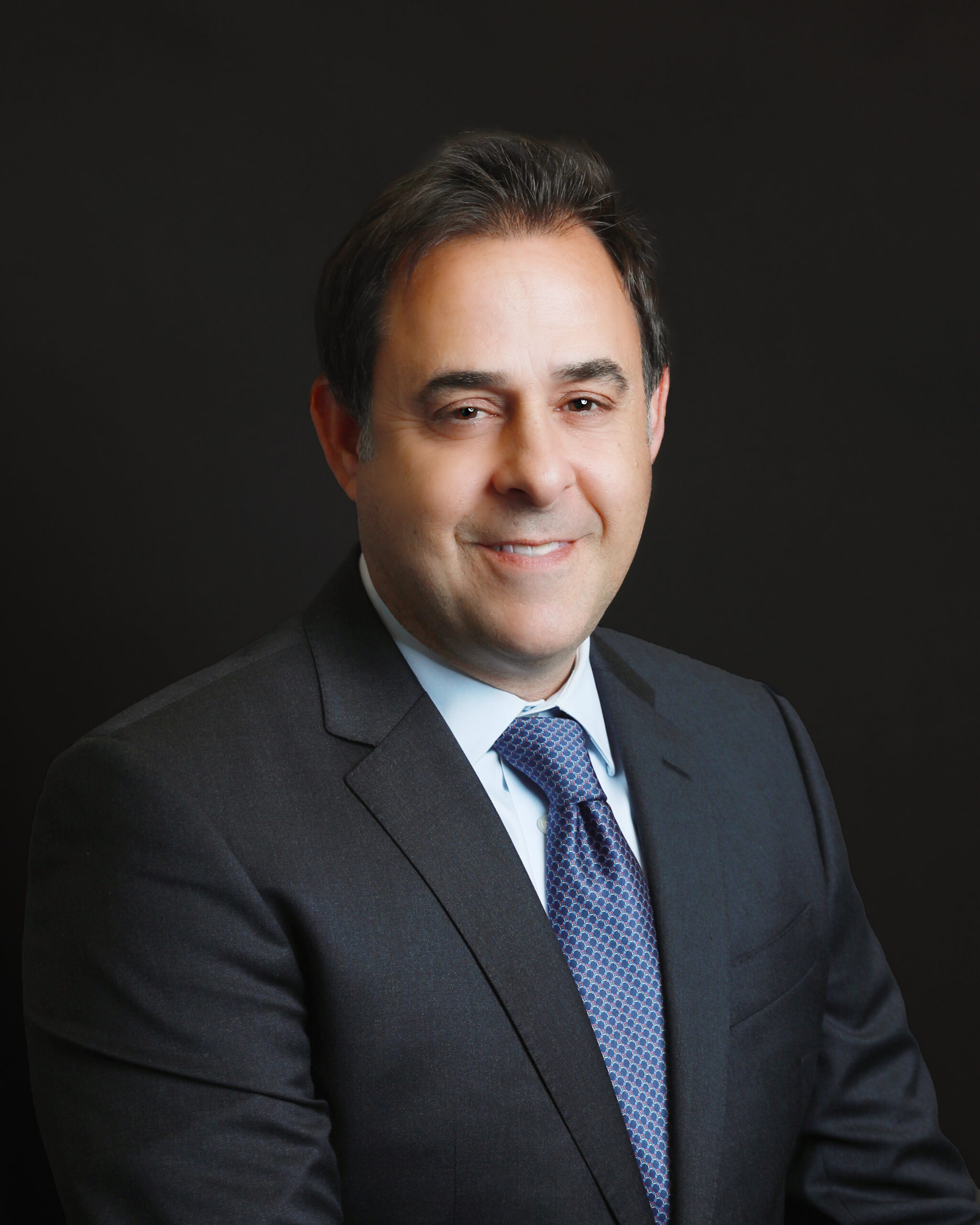
John Akhnoukh, M.D.
Board Certified Anesthesiologist & Interventional Pain Management Physician
Visit Profile
Pain Management
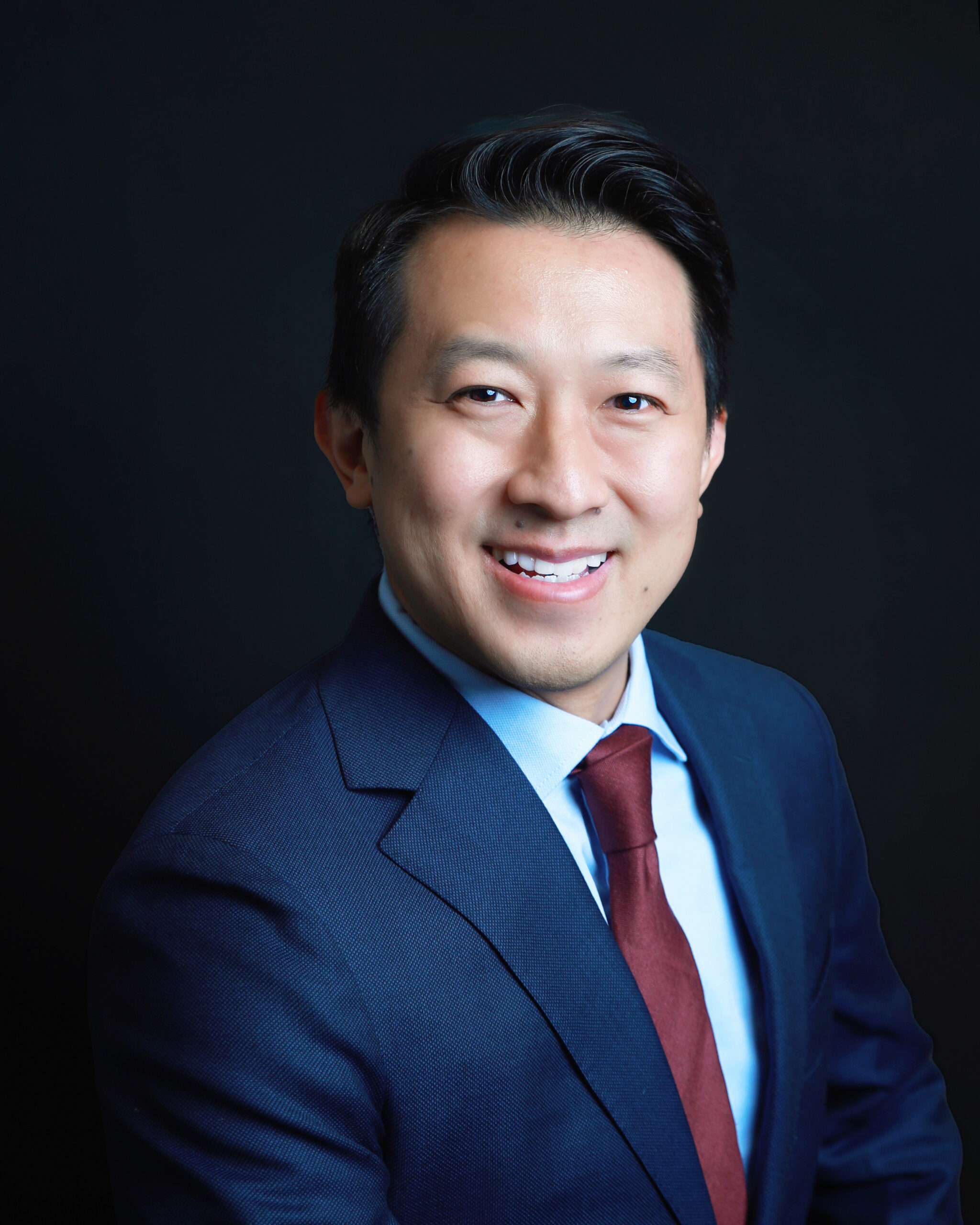
James Yu, D.O.
Board Certified Anesthesiologist & Interventional Pain Management Physician
Visit Profile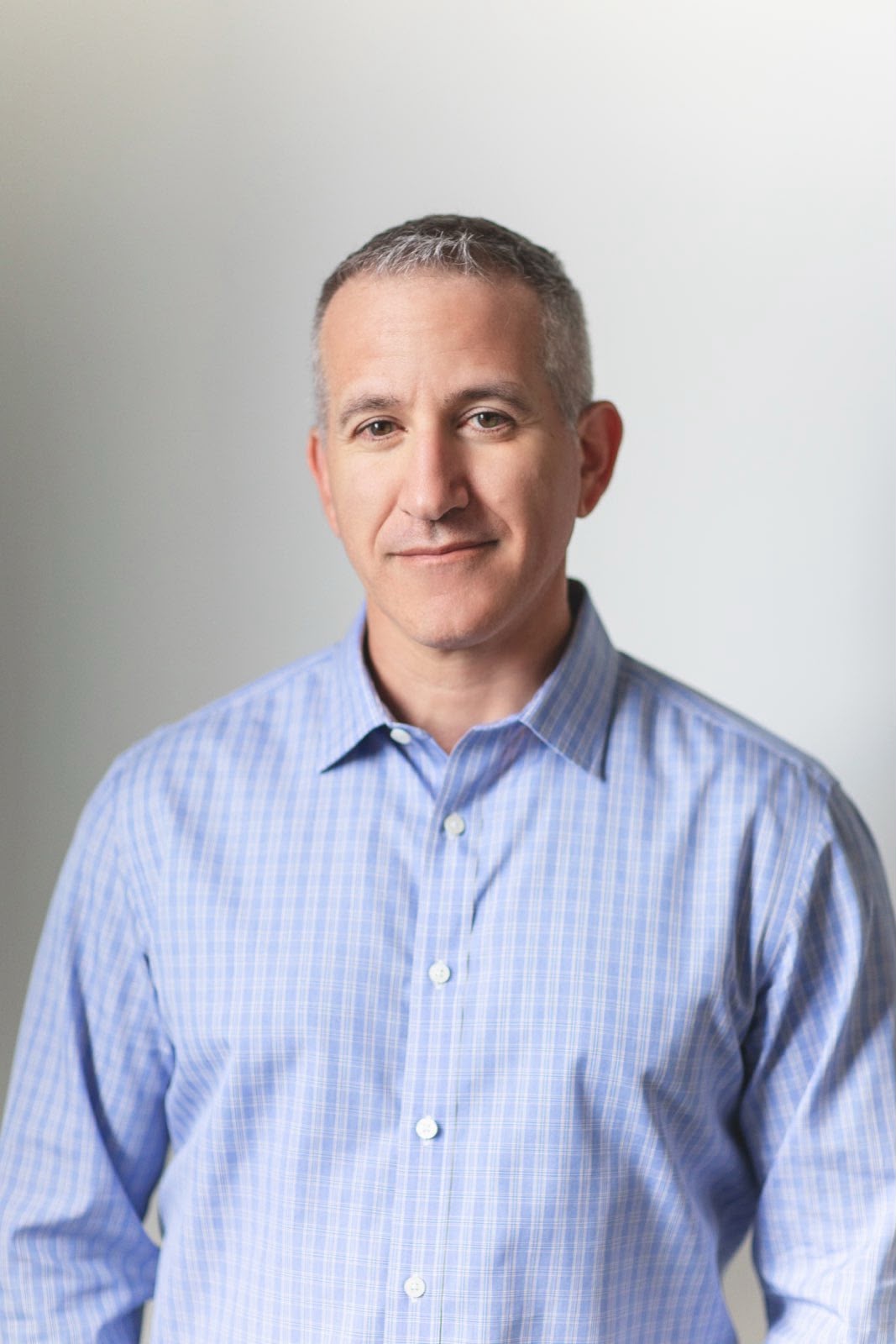
Pain Management
Benjamin Souferi, D.O.
Fellowship-Trained Interventional Pain Medicine Physician (Cleveland Clinic)
Visit ProfilePain Conditions Affecting Daily Life
Improve your quality of life with our comprehensive approach to pain management
We are dedicated to finding individualized treatment options tailored to fit your needs. Our team is dedicated to helping you lead a productive and active life, free from pain and disruption.
Our Locations
Pain management and orthopedic care across New York and New Jersey.