Arthrotomy and Arthroplasty Surgery
Performed By Dr. Salvatore Corso & Dr. Jeffrey Guttman
Call us today to make an appointment with Empire Pain Management, Minimally Invasive Spine & Orthopedic Specialists. We proudly serve patients across New York and New Jersey, including communities such as Plainview, Ronkonkoma, New Hyde Park, Montville, and Plainfield.
Orthopedic joint surgery
What are arthrotomy and arthroplasty?
Arthrotomy and arthroplasty are two related joint surgeries. An arthrotomy is the surgical opening of a joint so the surgeon can see and treat what is inside. Common reasons are washing out an infection, removing loose pieces of bone or cartilage, or repairing a fracture that runs into the joint.
Arthroplasty is surgery that rebuilds a damaged joint by reshaping it, resurfacing it or replacing worn parts with an implant, so the joint moves with less pain. Joint replacement is the best-known type of arthroplasty.
In shortOpen joint surgery (arthrotomy) and joint reconstruction (arthroplasty) for damaged or arthritic joints when less invasive options are not enough.
Is joint surgery right for you?
Your physician decides after an exam and a review of your imaging and past treatment. These are the usual signs.
Often considered Good fit
- Arthritis pain that limits walking, sleep or daily tasks despite medicine, injections and physical therapy
- A joint that has become deformed, unstable or stiff
- Loose bone or cartilage fragments that catch or lock the joint
- A fracture that extends into the joint surface
- A joint infection that needs to be cleaned out
Usually not the first step Not yet
- Mild arthritis that is still managed well with non-surgical care
- Health conditions that make surgery unsafe until they are under control
- An active infection elsewhere in the body (for joint replacement)
A hot, swollen joint with fever needs urgent care
A sudden red, warm, painful and swollen joint, especially with fever, can be a joint infection. This is an emergency. Go to the nearest emergency room rather than waiting for an office appointment.
Which option fits your joint?
The right procedure depends on the joint, how much damage there is, your age, your activity level and your overall health. Our orthopedic surgeons explain which options apply to you, along with the non-surgical choices you can try first.
Types of procedures
Arthrotomy
The joint capsule is opened to clean out infection, remove loose bodies or damaged tissue, repair a fracture, or give access for reconstruction. It is used when arthroscopy (a camera through tiny incisions) cannot do the job.
Total joint replacement
Both worn joint surfaces are replaced with metal and plastic or ceramic parts. This is most common in the knee, hip and shoulder.
Partial replacement or resurfacing
Only the damaged part of the joint is replaced or resurfaced, keeping healthy bone and cartilage where possible.
Resection or interposition arthroplasty
Damaged bone is removed or reshaped, sometimes with tissue placed between the bones. This is often used for smaller joints.
What to expect, step by step
What happens before, during and after the procedure.
Evaluation
Exam, X-rays and sometimes MRI, plus a review of the treatments you have already tried.
Pre-surgery planning
Medical clearance, a review of your medicines and often exercises to prepare the joint (prehab).
Surgery
Under regional or general anesthesia, the surgeon opens the joint, treats the problem or rebuilds the joint, then closes the incision.
Early recovery
Pain control and early movement. After joint replacement, many patients start walking with support on the same or next day.
Rehab
Physical therapy restores motion and strength over the following weeks.
Recovery timeline
Everyone heals differently. Your care team gives you instructions for your situation.
- First 2 weeks
Wound care, swelling control and walking or moving with support as directed.
- Weeks 2 to 12
Physical therapy builds motion and strength. Many daily activities return in this window.
- 3 to 12 months
Continued improvement in strength and endurance. Full recovery after joint replacement can take up to a year.
When to call us
Call us if you develop fever, increasing redness or drainage from the incision, calf pain or swelling, or new shortness of breath. Shortness of breath or chest pain needs emergency care.
Benefits and risks
Every procedure has trade-offs. Your physician reviews them with you before you decide.
Possible benefits
- Can relieve pain that has not responded to other care
- Can improve movement, stability and function
- Treats problems inside the joint directly
- Many joint replacements last well over a decade
Possible risks
- Infection
- Blood clots in the legs or lungs
- Bleeding
- Stiffness or reduced range of motion
- Injury to nearby nerves or blood vessels
- Implant loosening or wear over time, which may need revision surgery
- Ongoing pain
- Risks related to anesthesia
Conditions it is used for
Related treatments
Options your physician may discuss before or after this procedure.
Where we offer Arthrotomy & Arthroplasty
Available at these Empire offices in New York and New Jersey.
Frequently asked questions
What is the difference between arthroscopy and arthrotomy?
Arthroscopy uses a small camera and instruments through tiny incisions. Arthrotomy opens the joint through a larger incision so the surgeon can see and work directly. Arthrotomy is chosen when the problem cannot be treated well through a scope.
Is arthroplasty the same as joint replacement?
Joint replacement is one type of arthroplasty. Arthroplasty also includes partial replacement, resurfacing and procedures that reshape or remove damaged bone.
How long does a joint replacement last?
Many modern joint replacements last well over a decade. How long yours lasts depends on the joint, the implant, your weight and your activity level.
When should I consider joint surgery?
When arthritis or joint damage limits your daily life and non-surgical options such as medicine, injections and physical therapy no longer give enough relief. Your surgeon will review all your options first.
How long is recovery?
It depends on the procedure. Many people return to most daily activities within about 6 to 12 weeks after joint replacement, and keep improving for up to a year.
Talk to a specialist about Arthrotomy & Arthroplasty
We will review your symptoms and imaging and explain every option, including non-surgical care.
What Our Patients Say
Our Plainview office has moved
Find us at our new location:
520 Old Country Rd
Plainview, NY 11803
Same doctors, same phone numbers.
Most Major Plans,
No-Fault & Personal Injury.
We accept most major insurance plans across our New York and New Jersey offices. Select your state to see accepted plans.
Accepted at our New York Locations
Workers' Compensation
No-Fault (NY & NJ)
Lien Cases
Medicare
Empire BCBS
BCBS / Anthem
Cigna
Aetna
Empire NYSHIP
Oxford (PPO)
United Health Care
GHI / Emblem Health
Humana (PPO)
Magnacare (PPO)
Northwell Direct
1199 SEIU
Self Pay
Accepted at our New Jersey Locations
No-Fault (NJ)
Lien Cases
Horizon BCBS
Empire NYSHIP
BCBS / Anthem (PPO)
Cigna
Aetna (PPO)
GHI / Emblem (PPO)
Port Authority UHC
Verizon Plan
Carpenter & Trade Unions
Self Pay
Medicare, Medicaid and Workers' Compensation are not accepted at our New Jersey locations. Not sure about your plan? Call us and we'll verify before your visit.
Not sure about your plan?
Call Us — 516-229-1443
Verify Your Coverage for FREE
Enter your information and our team will confirm your benefits before your visit.
✓ HIPAA Compliant
✓ No Obligation
✓ Same-Day Response
Your information is encrypted and secure. By submitting, you consent to receive communications regarding your appointment. You may opt out at any time.
Meet Our Pain Management & Orthopedic Specialists
Board-certified physicians dedicated to accurate diagnosis and minimally invasive care.
Pain Management
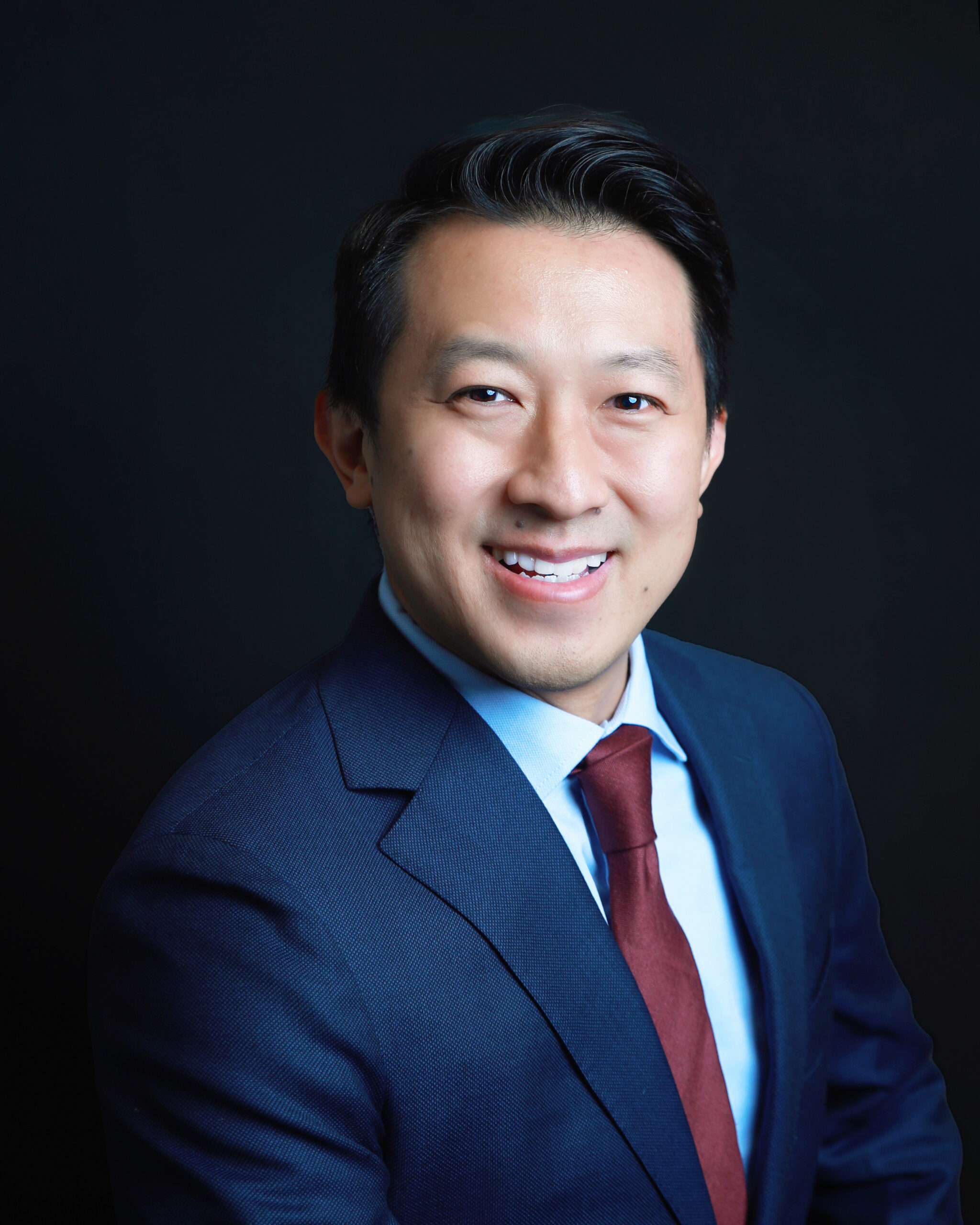
John Akhnoukh, M.D.
Board Certified Anesthesiologist & Interventional Pain Management Physician
Visit Profile

Pain Management
James Yu, D.O.
Board Certified Anesthesiologist & Interventional Pain Management Physician
Visit Profile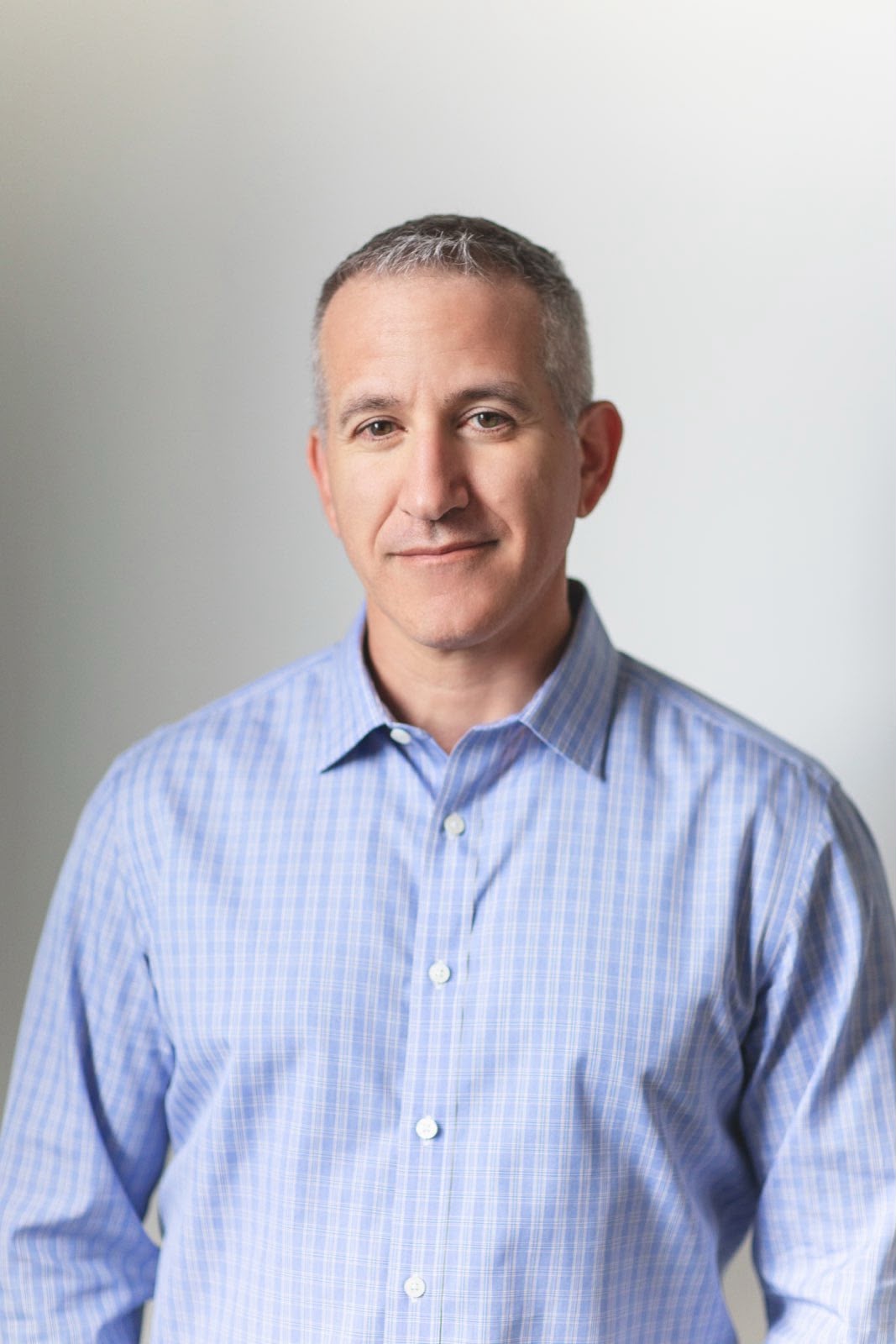
Pain Management
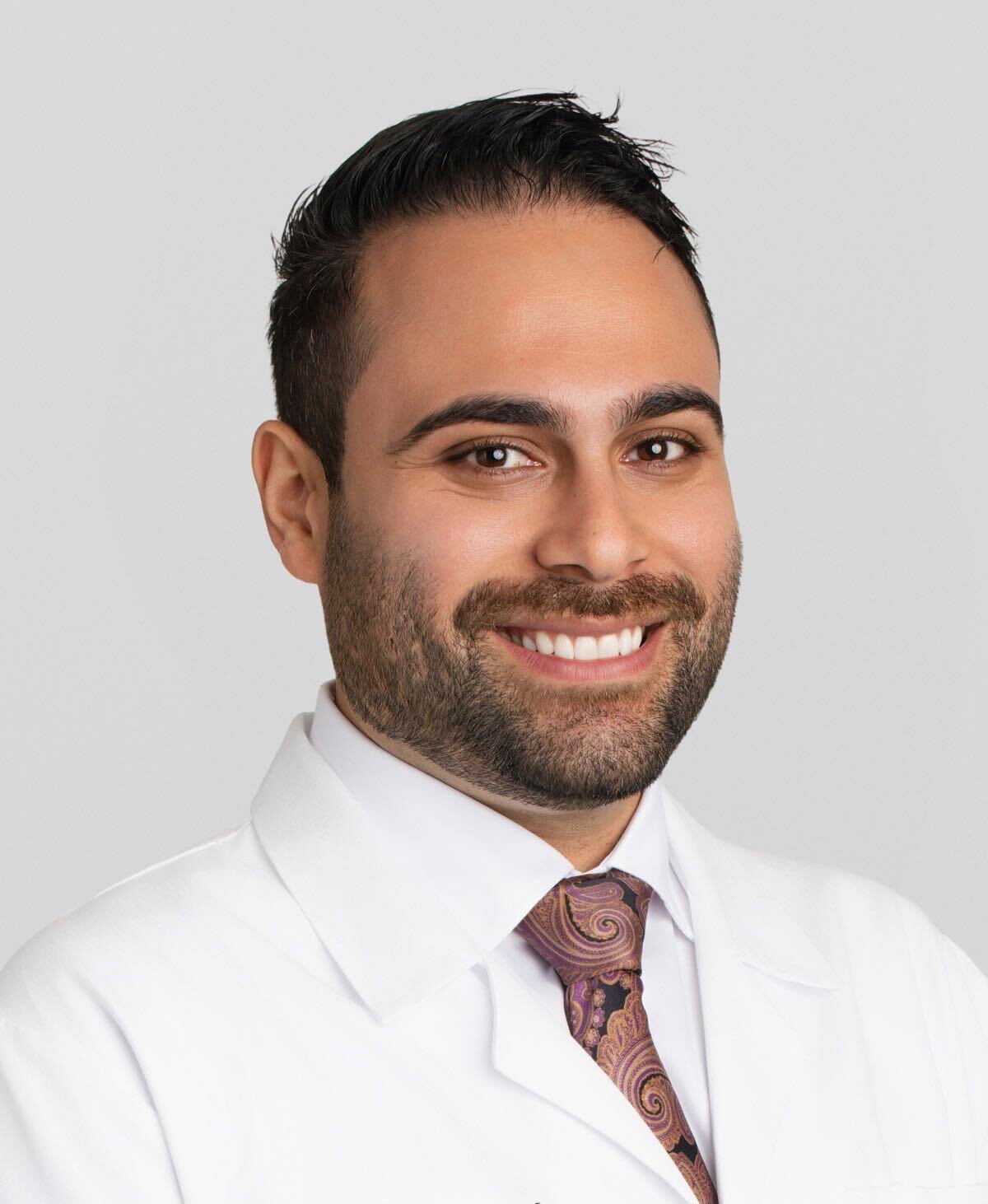
Benjamin Souferi, D.O.
Fellowship-Trained Interventional Pain Medicine Physician (Cleveland Clinic)
Visit ProfilePain Conditions Affecting Daily Life
Improve your quality of life with our comprehensive approach to pain management
We are dedicated to finding individualized treatment options tailored to fit your needs. Our team is dedicated to helping you lead a productive and active life, free from pain and disruption.
Our Locations
Pain management and orthopedic care across New York and New Jersey.