Sports Medicine · Arthroscopic Shoulder Surgery
Rotator Cuff Repair in NY & NJ
Can’t sleep on your shoulder or lift your arm overhead? Our fellowship-trained sports medicine surgeons repair torn rotator cuffs arthroscopically — and start with non-surgical care when that’s the better answer. Serving Long Island, NY and northern New Jersey.
Fellowship-trained sports medicine surgeons
Arthroscopic, minimally invasive technique
Non-surgical options tried first when appropriate
Orthopedics + pain management under one roof
What the Rotator Cuff Is
Your rotator cuff is a group of four muscles and their tendons that wrap around the top of the upper arm bone. Together they hold the ball of the shoulder centered in its socket and let you lift and rotate your arm. It’s a remarkable piece of engineering — and a busy one, which is why it wears out.
Rotator cuff tears come in two broad flavors. Some are acute: you fall, catch yourself, or lift something heavy awkwardly, and the tendon tears. Many more are degenerative: the tendon frays gradually over years, often with no single moment of injury. Degenerative tears are common as we age, and plenty of people have one without much pain at all.
Rotator cuff problems are a leading cause of shoulder pain, and they’re one of several shoulder surgery options we treat. For a plain-language overview, the American Academy of Orthopaedic Surgeons has a patient guide on OrthoInfo.
Signs You May Have a Rotator Cuff Tear
- Pain at night, especially lying on that shoulder — often the symptom that finally brings people in
- Trouble lifting your arm overhead, or weakness reaching up
- A dull ache deep in the shoulder
- Pain reaching behind your back or out to the side
- Weakness lifting or lowering the arm
- Cracking or popping with certain movements
Night pain deserves a mention of its own. Many people tolerate shoulder pain for months and only seek help once it costs them sleep. It’s a common pattern — and a reasonable reason to get evaluated.
Seek prompt care if your shoulder gave out suddenly during an injury, you can’t lift the arm at all, or you have significant weakness after a fall. Acute, full-thickness tears in active people are sometimes better repaired sooner rather than later.
Do You Actually Need Surgery?
Not every rotator cuff tear needs repair — and this is one area where that’s genuinely true, not a hedge. Many partial tears and degenerative tears improve substantially with physical therapy, activity changes, and sometimes an injection. At Empire, we follow a step-up approach: the least invasive option that resolves your problem comes first.
Repair is often the right choice when:
- The tear is acute and full-thickness, particularly in active people
- You have real weakness, not just pain
- Months of physical therapy haven’t resolved things
- The tear happened with a specific injury and the shoulder isn’t recovering
- Your work or sport demands overhead strength
Non-surgical care may work well when:
- The tear is partial and strength is preserved
- Symptoms are mainly pain rather than weakness
- You have a lower-demand lifestyle
- You haven’t yet given a structured therapy program a real trial
A tear on an MRI is not automatically a tear that needs surgery. What matters is what your shoulder can and can’t do, and what you need it to do.
We go deeper on this decision — including what a 452-patient study found about who actually ends up needing surgery, and why tear size wasn’t the deciding factor — in Can You Heal a Torn Rotator Cuff Without Surgery?
How Rotator Cuff Repair Works
Most rotator cuff repairs are done arthroscopically. Your surgeon makes a few small incisions, inserts a pencil-thin camera, and uses thin instruments to reattach the torn tendon to the bone with small anchors. Larger or more complex tears sometimes need a different approach, which your surgeon will explain if it applies.
- You receive anesthesia — often a nerve block with sedation, or general anesthesia.
- Your surgeon inserts the arthroscope and inspects the joint, confirming the tear pattern.
- The torn tendon edge is prepared, and the bone surface is cleaned so tissue can heal to it.
- Small anchors are placed in the bone, and sutures pull the tendon back to its footprint.
- Any other findings — such as bone spurs or biceps tendon problems — are addressed in the same operation.
Most patients go home the same day, in a sling.
Benefits and Risks
Possible benefits
- Relief from night pain, which is often what patients notice first
- Restored strength for lifting and reaching overhead
- Small incisions and usually same-day surgery
- Preventing a repairable tear from getting larger over time
Possible risks
- Infection, bleeding, or a reaction to anesthesia
- Stiffness — the most common issue after cuff repair
- The repair failing to heal, which is more likely with larger tears
- Nerve irritation or blood clots
- Ongoing pain or weakness in some cases
No surgeon can promise a specific result. What we can promise is an honest conversation about whether repair is likely to help — including when it isn’t.
Recovery: Longer Than People Expect
This is the part worth understanding before you commit. Rotator cuff repair recovery is a marathon. The tendon has to heal back to bone, and that biology sets the pace no matter how motivated you are.
Weeks 0–6: Sling protection. Your surgeon may allow gentle passive motion — where a therapist or your other arm moves the shoulder — while the repair is protected.
Weeks 6–12: The sling comes off. Active motion progresses, and you start moving the arm under your own power.
Months 3–6: Strengthening begins in earnest. This is where function really returns.
Months 6–12: Continued strength gains. Overhead work and sport typically return in this window, and improvement can continue for a year or more.
The trade-off worth knowing: the sling and early restrictions exist because the tendon-to-bone healing is fragile. Pushing early risks the repair failing. Recovering from rotator cuff repair asks more patience than most orthopedic procedures.
How it compares
| Rotator cuff repair | Non-surgical care | |
|---|---|---|
| Best for | Full-thickness tears, real weakness, active patients | Partial tears, preserved strength, lower demand |
| Main tool | Arthroscopic repair, then months of rehab | Physical therapy, activity changes, sometimes injection |
| Time to results | Slow — often 6–12 months | Often weeks to a few months |
| Main trade-off | Sling, restrictions, and a long rehab | The tear remains; it may enlarge over time |
Meet Your Sports Medicine Surgeons
Salvatore Corso, MD
Orthopedic Surgeon · Sports Medicine
Dr. Corso is a board-certified orthopedic surgeon with a subspecialty board certification in Orthopaedic Sports Medicine and a fellowship in arthroscopy and sports medicine. With more than 20 years of experience and over 10,000 orthopedic procedures, he has lectured nationally on arthroscopic surgery of the shoulder, knee, and other joints. He is Co-Chief of Orthopaedic Surgery at Mercy Medical Center and a Clinical Assistant Professor of Surgery at NYIT College of Osteopathic Medicine.
Jeffrey Guttman, MD
Orthopedic Surgeon · Sports Medicine
Dr. Guttman is a board-certified orthopedic surgeon with a Certificate of Added Qualification in Sports Medicine and more than 20 years in practice. He completed his orthopedic residency at St. Luke’s-Roosevelt Hospital, a Columbia University hospital, where he served as Chief Resident, followed by a sports medicine fellowship in Philadelphia. He holds privileges at Northwell Health–Plainview, Mercy Hospital, and Hudson Regional Hospital.
Because Empire combines orthopedic surgery and pain management under one roof, you don’t need a separate referral if pain control becomes part of your plan. We also offer ultrasound-guided shoulder injections when a non-surgical approach makes sense.
Why Patients Choose Empire
- Fellowship-trained, board-certified sports medicine surgeons
- A step-up approach — many cuff tears don’t need surgery, and we’ll say so
- Arthroscopic technique with small incisions and same-day surgery
- Orthopedic surgery and pain management in one practice
- Convenient locations across Long Island, NY and northern New Jersey
See all the areas we serve.
Rotator Cuff FAQs
How long does it take to recover from rotator cuff surgery?
Longer than most people expect. A sling for roughly the first six weeks, active motion after that, strengthening from around three months, and continued improvement out to a year. Overhead work and sport typically return somewhere in the 6–12 month range.
Can a rotator cuff tear heal without surgery?
A torn tendon doesn’t reattach itself, but many people do very well without surgery — particularly with partial tears and preserved strength. Physical therapy can restore function and reduce pain even when the tear remains. We cover the research on this in detail in Can You Heal a Torn Rotator Cuff Without Surgery?
Why does my shoulder hurt more at night?
It’s a classic rotator cuff pattern. Lying down changes the position of the shoulder and removes the distractions of the day, and night pain is often the symptom that finally prompts people to get evaluated.
How long will I be in a sling?
Commonly around six weeks, though your surgeon sets this based on your tear and repair. The sling protects the tendon while it heals to bone.
What happens if I don’t repair a rotator cuff tear?
Some tears stay stable and manageable with therapy. Others enlarge over time, and a tear that retracts far enough can become harder or impossible to repair later. Your surgeon can tell you which situation you’re likely in.
Will insurance cover rotator cuff repair?
It’s often covered when medically indicated, but plans differ and coverage varies by location. Our team will verify your benefits before scheduling.
Request a Shoulder Consultation
Shoulder pain keeping you awake, or an arm that won’t go overhead? Get an evaluation with a board-certified sports medicine surgeon. We’ll examine the shoulder, review your imaging, and give you an honest answer about whether repair would help — or whether therapy is the smarter first step.
Long Island, NY: (516) 229-1443 · New Jersey: (732) 630-7246
We see shoulder patients across our Long Island, NY and northern New Jersey offices. Hurt in an accident or on the job? We also treat injury and accident cases and document your care for your claim.
JG
Medically reviewed by Dr. Jeffrey Guttman, M.D. — Board-certified Orthopedic & Sports Medicine Surgeon
Last reviewed July 2026 · Empire Minimally Invasive Spine & Pain
What Our Patients Say
Our Plainview office has moved
Find us at our new location:
520 Old Country Rd
Plainview, NY 11803
Same doctors, same phone numbers.
Most Major Plans,
No-Fault & Personal Injury.
We accept most major insurance plans across our New York and New Jersey offices. Select your state to see accepted plans.
Accepted at our New York Locations
Workers' Compensation
No-Fault (NY & NJ)
Lien Cases
Medicare
Empire BCBS
BCBS / Anthem
Cigna
Aetna
Empire NYSHIP
Oxford (PPO)
United Health Care
GHI / Emblem Health
Humana (PPO)
Magnacare (PPO)
Northwell Direct
1199 SEIU
Self Pay
Accepted at our New Jersey Locations
No-Fault (NJ)
Lien Cases
Horizon BCBS
Empire NYSHIP
BCBS / Anthem (PPO)
Cigna
Aetna (PPO)
GHI / Emblem (PPO)
Port Authority UHC
Verizon Plan
Carpenter & Trade Unions
Self Pay
Medicare, Medicaid and Workers' Compensation are not accepted at our New Jersey locations. Not sure about your plan? Call us and we'll verify before your visit.
Not sure about your plan?
Call Us — 516-229-1443
Verify Your Coverage for FREE
Enter your information and our team will confirm your benefits before your visit.
✓ HIPAA Compliant
✓ No Obligation
✓ Same-Day Response
Your information is encrypted and secure. By submitting, you consent to receive communications regarding your appointment. You may opt out at any time.
Meet Our Pain Management & Orthopedic Specialists
Board-certified physicians dedicated to accurate diagnosis and minimally invasive care.
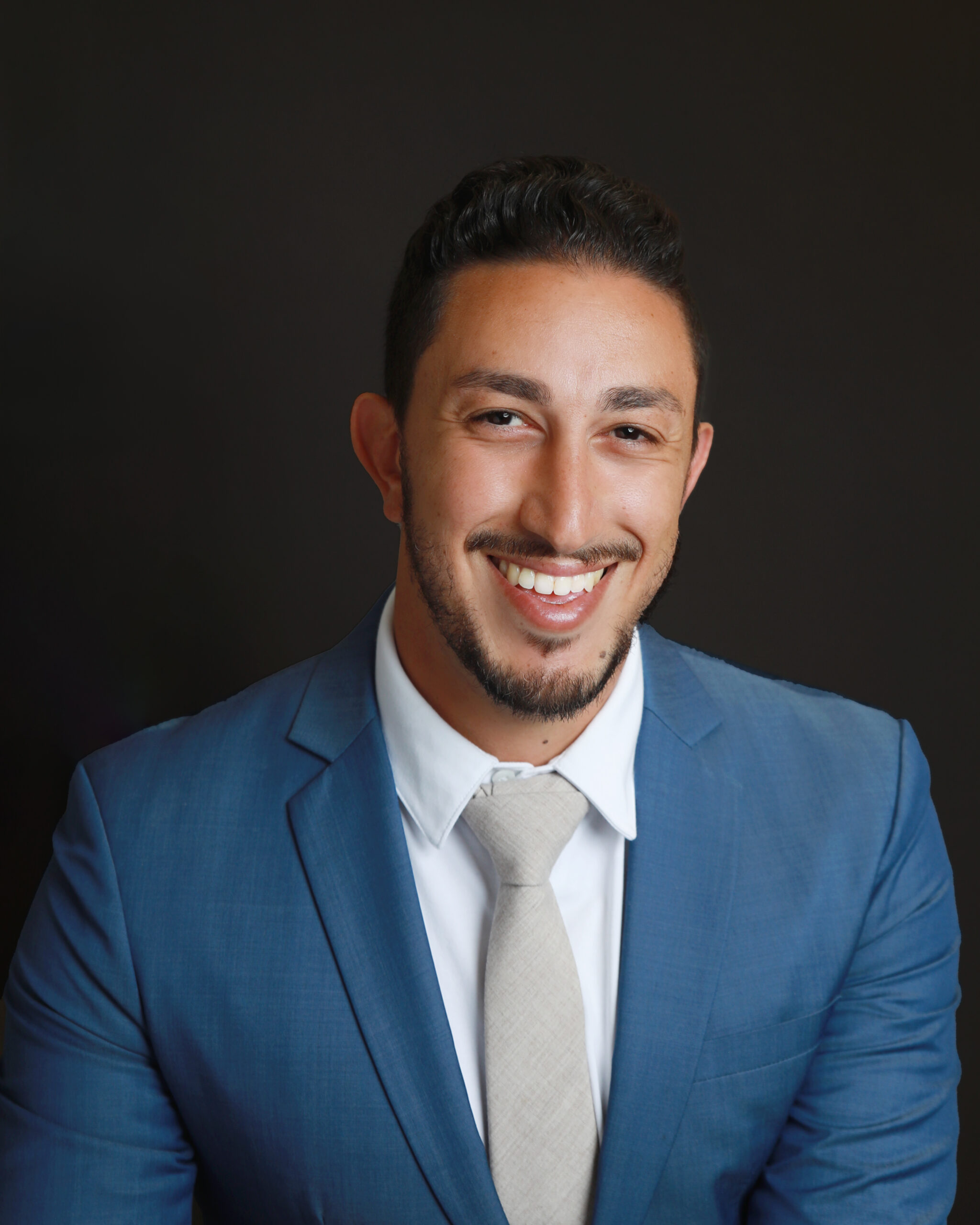
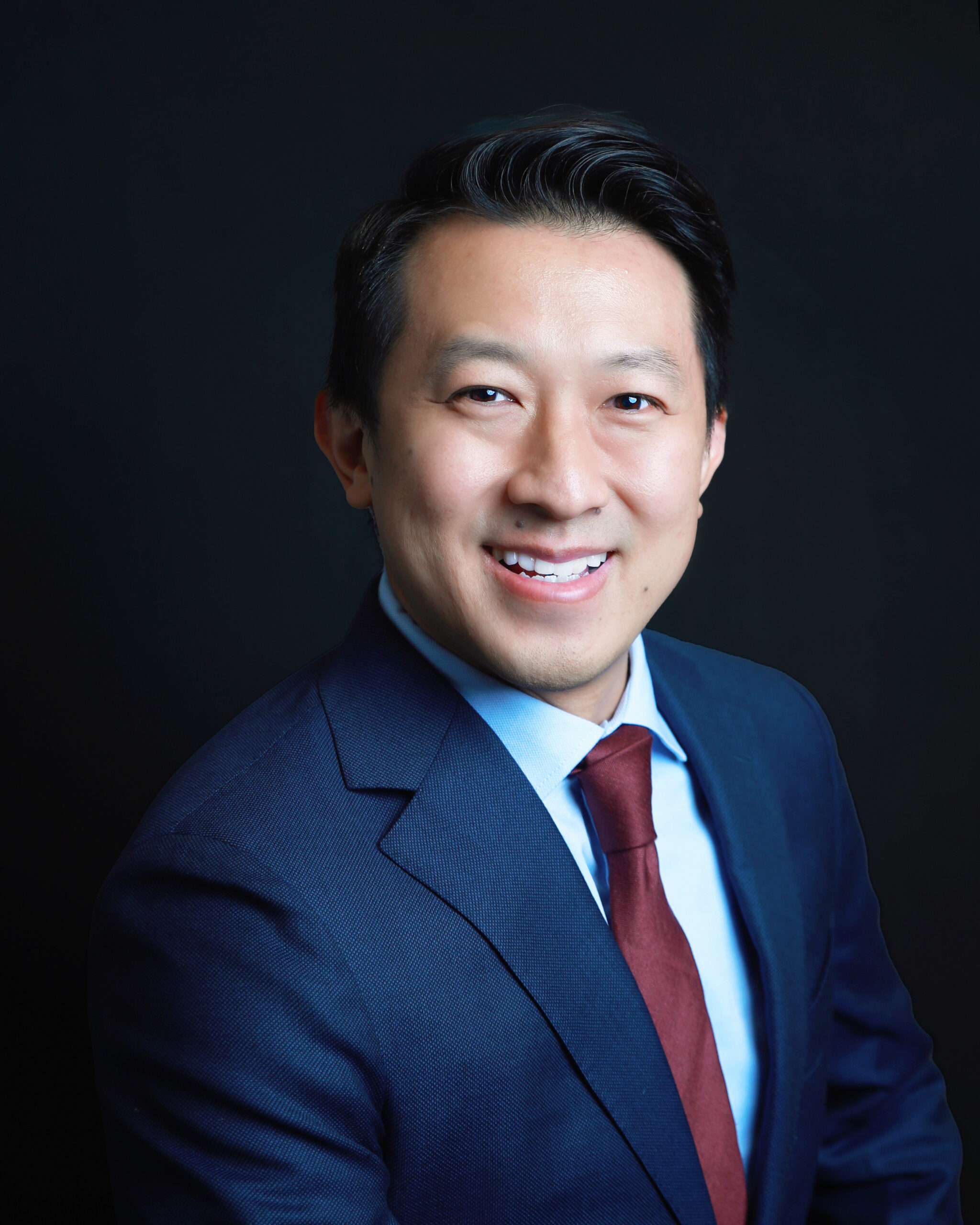
Pain Management
John Akhnoukh, M.D.
Board Certified Anesthesiologist & Interventional Pain Management Physician
Visit Profile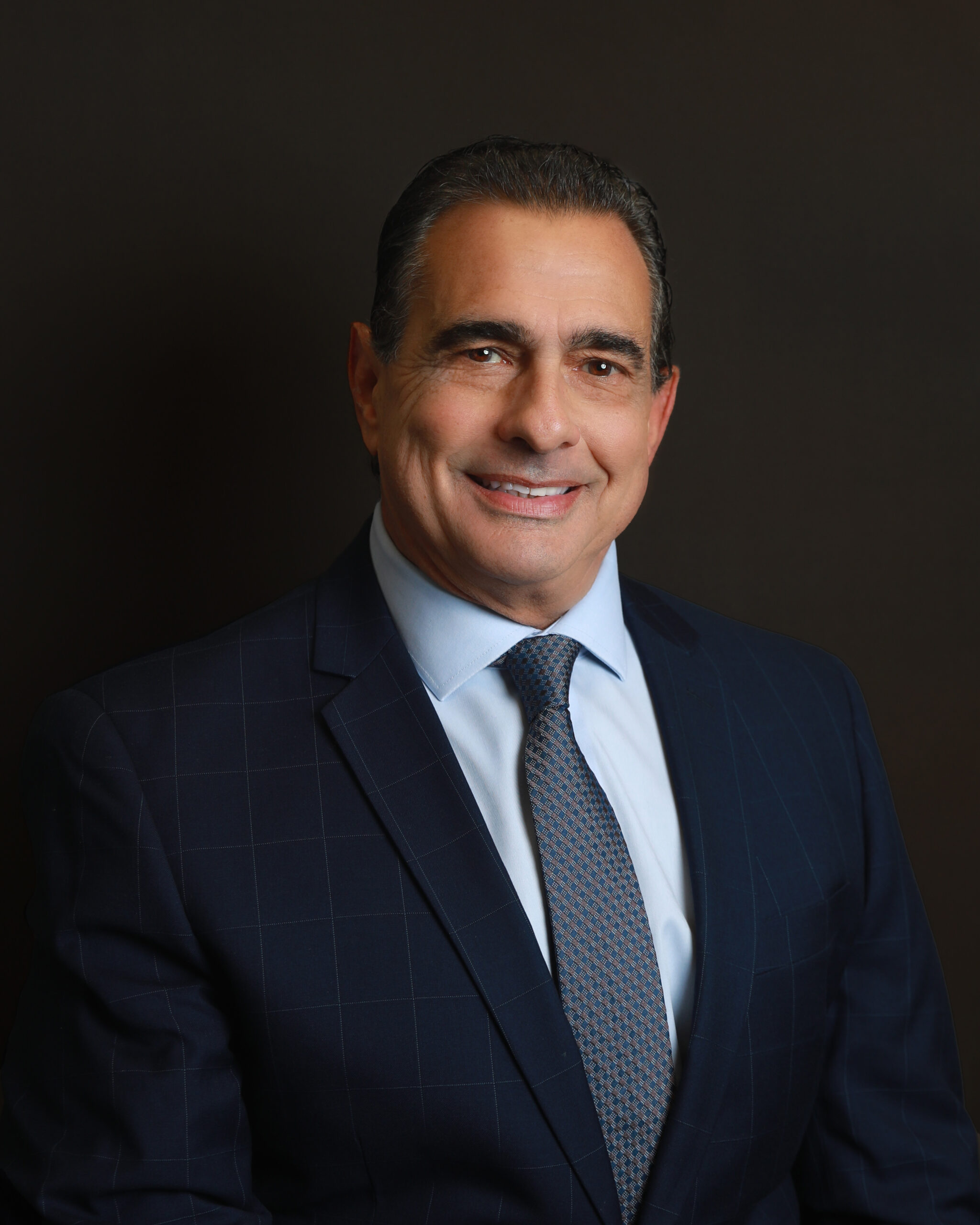
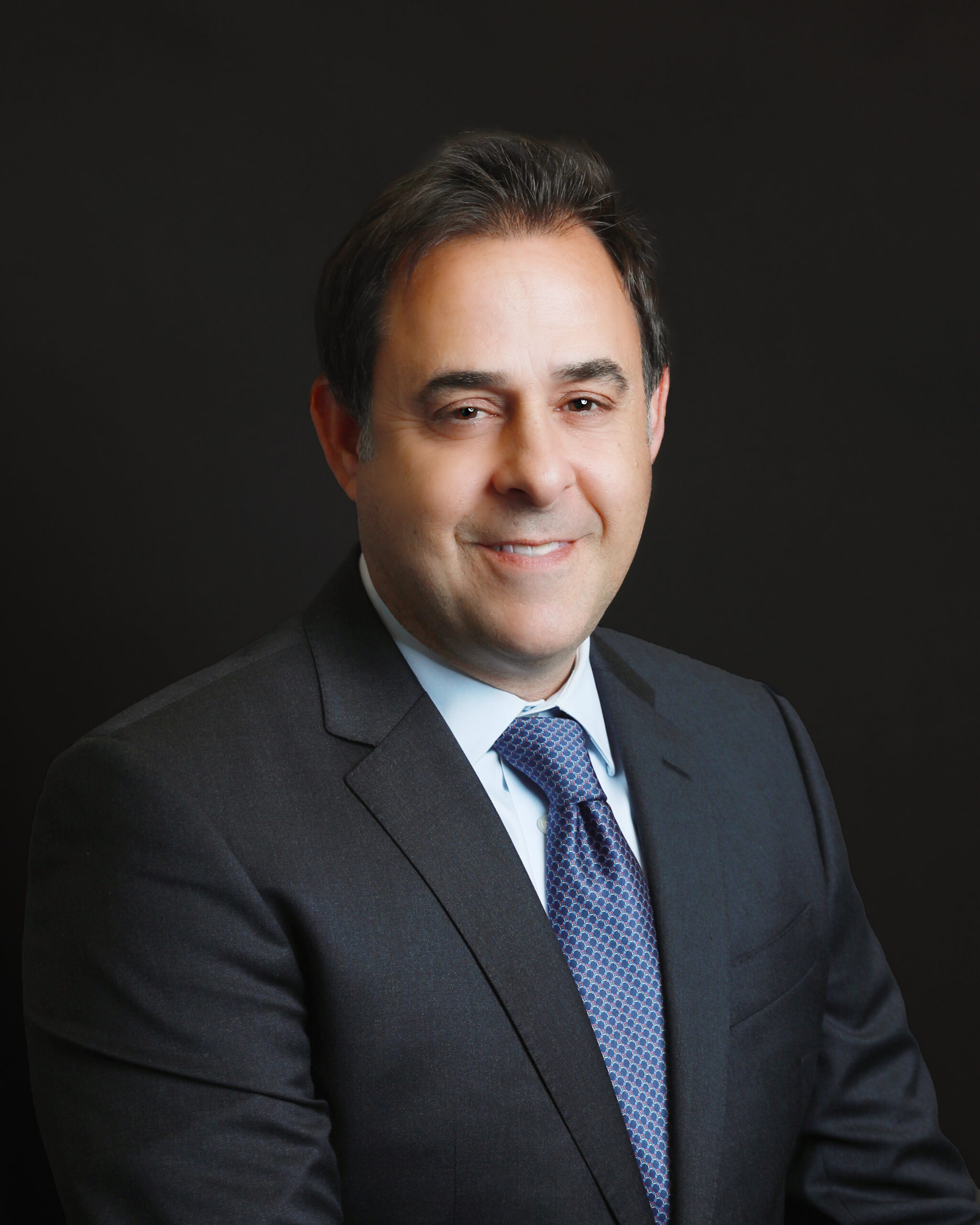

Pain Management
James Yu, D.O.
Board Certified Anesthesiologist & Interventional Pain Management Physician
Visit Profile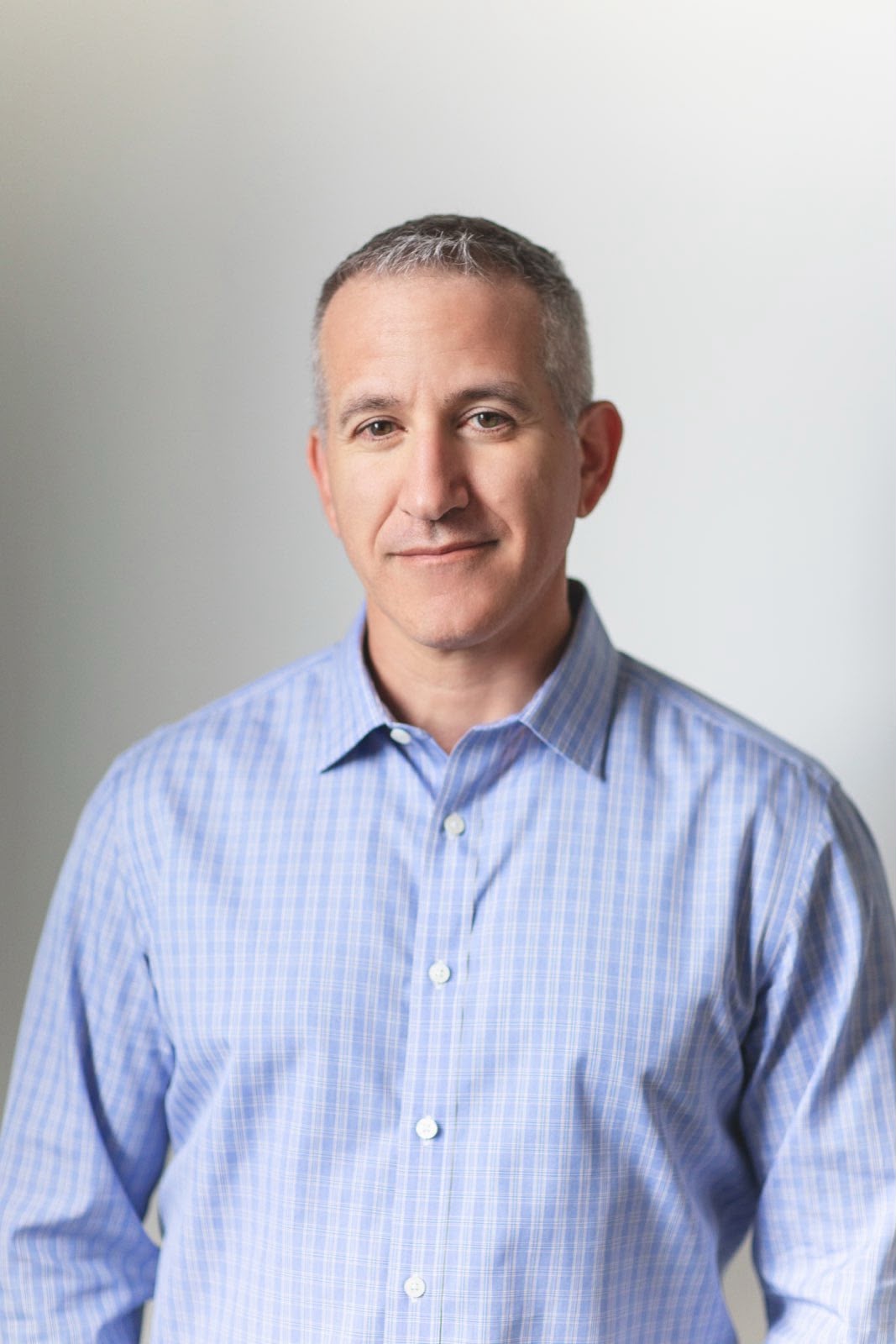
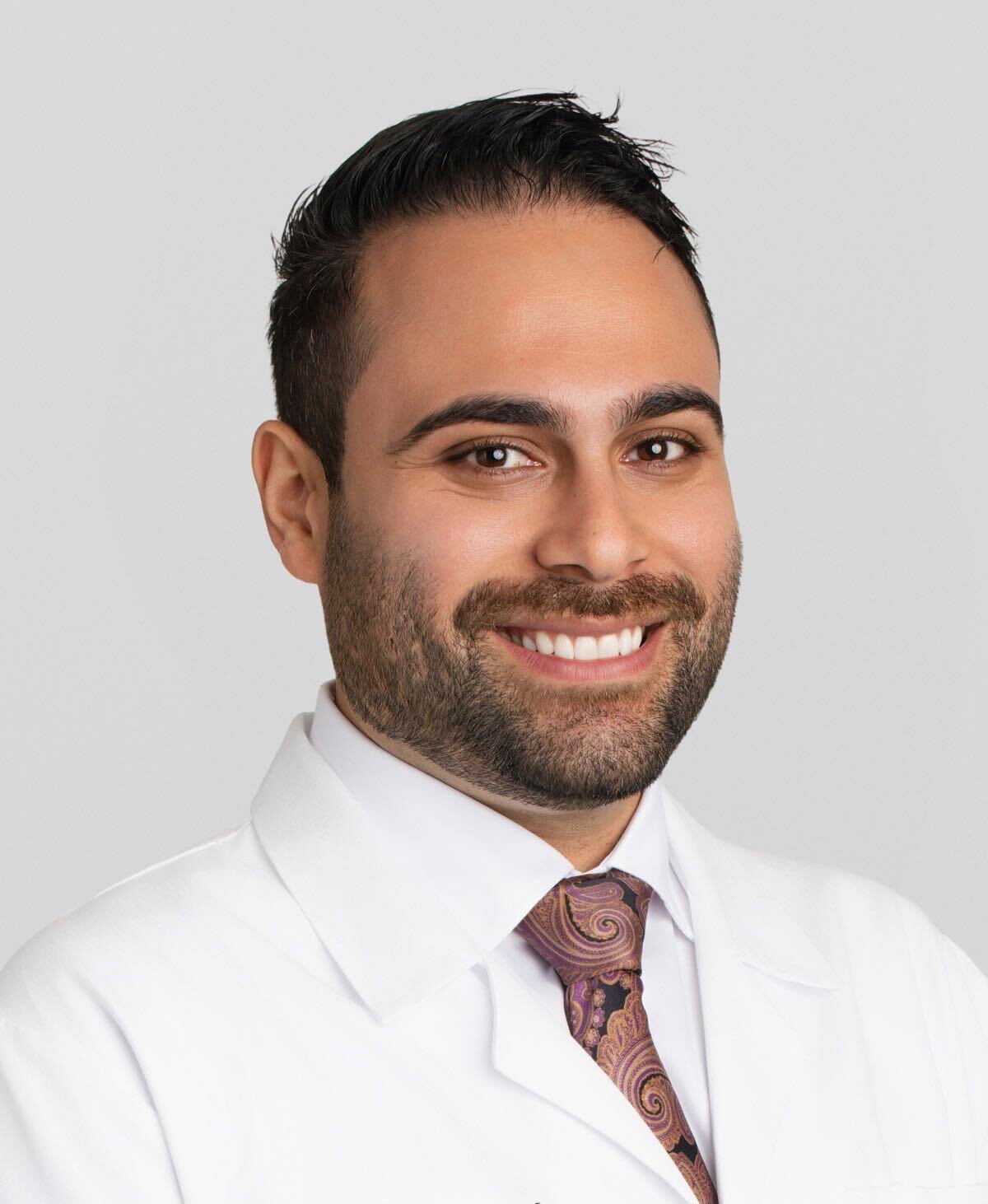
Pain Management
Benjamin Souferi, D.O.
Fellowship-Trained Interventional Pain Medicine Physician (Cleveland Clinic)
Visit ProfilePain Conditions Affecting Daily Life
Improve your quality of life with our comprehensive approach to pain management
We are dedicated to finding individualized treatment options tailored to fit your needs. Our team is dedicated to helping you lead a productive and active life, free from pain and disruption.
Our Locations
Pain management and orthopedic care across New York and New Jersey.