
ACL Graft Types Explained: Autograft vs. Allograft
Once you’ve decided on ACL surgery, the next question is what your surgeon will rebuild the ligament with. That replacement tissue is called a graft, and there are two broad sources: your own body (an autograft) or a screened tissue donor (an allograft).
Patients often ask which one is “best.” There isn’t a universal answer — but there is a right answer for your knee, your age, and what you want to get back to.
What a Graft Actually Is
A torn ACL can’t simply be stitched back together — the ends don’t reliably reconnect inside the joint. So instead of repairing the old ligament, your surgeon removes it and threads a new piece of tendon through small tunnels drilled in the bone. That tendon is anchored in place and becomes your new ACL.
Here’s the part that surprises people: the graft doesn’t stay “borrowed tendon” forever. Over months, your body gradually populates it with your own cells and blood supply, and it remodels into tissue that behaves like a ligament. That biological process is a big reason ACL recovery takes months, not weeks — the graft is at its most vulnerable while it’s still maturing.
Autograft vs. Allograft at a Glance
Autograft: Using Your Own Tendon
An autograft uses tendon tissue harvested from your own leg during the same operation. Because it’s your own living tissue, it tends to incorporate well. The trade-off is straightforward: the spot where the tendon was taken — the donor site — also has to heal, and that site can be sore during early recovery.
The three common autograft sources
| Source | Taken from | What patients notice |
|---|---|---|
| Patellar tendon | The tendon connecting kneecap to shinbone, with small bone blocks at each end | Bone-to-bone healing in the tunnels; some report kneeling discomfort at the front of the knee |
| Hamstring tendon | Tendons at the back of the thigh | Smaller incision and less front-of-knee irritation; hamstring strength is rebuilt in rehab |
| Quadriceps tendon | The tendon above the kneecap | A thick, strong graft; increasingly used, with soreness above the knee early on |
Your surgeon’s choice among these depends on your anatomy, your sport, whether you kneel a lot for work, and their own experience — a surgeon who has done thousands of a particular technique well is a legitimate factor.
Allograft: Using Donor Tissue
An allograft uses tendon tissue from a deceased donor, recovered and processed through a screened, regulated tissue bank. The Achilles tendon is one commonly used source. Because nothing is taken from your own leg, you avoid a donor site entirely — which usually means less early pain and a simpler first few weeks.
The trade-off is biological. Donor tissue generally takes longer to become fully “yours” as your body remodels it, which can matter for young athletes returning to high-demand pivoting sports. That’s the core reason many surgeons lean toward autograft for younger, high-demand patients and consider allograft for lower-demand patients or certain revision situations.
On safety: Donor tissue in the United States goes through donor screening, testing, and processing through regulated tissue banks. The risk of disease transmission is very low — but it isn’t zero, and it’s a fair thing to ask your surgeon about directly.
How Your Surgeon Actually Decides
In practice, the conversation usually runs in this order: how old are you and how active, what do you need the knee to do, is this a first ACL surgery or a revision, and what has your surgeon seen work in similar knees. If your surgeon can’t explain why they’re recommending a particular graft in plain language, that’s worth asking about.
Frequently Asked Questions
Which ACL graft is best?
There’s no single best graft. Autografts use your own tendon and are frequently chosen for younger, high-demand patients; allografts use screened donor tissue and avoid a second surgical site. The right one depends on your age, activity level, and knee.
Is an allograft weaker than an autograft?
It’s less about raw strength at the moment of surgery and more about biology. Donor tissue generally takes longer to remodel into your own living tissue, which is why many surgeons favor autograft for young athletes returning to pivoting sports.
Does the graft type change my recovery time?
It can influence the early weeks — an autograft adds a donor site that also needs to heal — and it may factor into when your surgeon clears you for sport. But the broad timeline is still measured in months either way, and clearance depends on passing strength and movement testing.
Is donor tissue safe?
Tissue in the U.S. is screened, tested, and processed through regulated tissue banks, and the risk of disease transmission is very low — though not zero. Ask your surgeon to walk you through it if it’s on your mind.
Can I choose my own graft?
You’re part of the decision, and your preferences matter — especially around kneeling, your sport, and how you feel about donor tissue. But your surgeon’s recommendation is based on findings in your knee that may narrow the sensible options.
Talk It Through With a Sports Medicine Surgeon
Graft choice is one part of a bigger plan. If you’re weighing ACL surgery, our surgeons will examine the knee, review your imaging, and explain which graft they’d recommend and why. Read more on our ACL reconstruction page, see whether you need surgery at all, or explore our full range of knee surgery options. For an independent overview, the American Academy of Orthopaedic Surgeons covers ACL injuries on OrthoInfo.
Weighing your ACL options?
Get an evaluation with a board-certified sports medicine surgeon who will explain the graft recommendation — and the reasoning behind it.
Long Island, NY: (516) 229-1443 · New Jersey: (732) 630-7246

Dr. Jeffrey Guttman
Articles: 15
Medicare, Workers Comp,
No Fault & Others.
We accept most major insurance plans across our New York and New Jersey offices. Select your state to see accepted plans.
Accepted at our New York Locations
Workers' Compensation
No-Fault (NY & NJ)
Lien Cases
Medicare
Empire BCBS
BCBS / Anthem
Cigna
Aetna
Empire NYSHIP
Oxford (PPO)
United Health Care
GHI / Emblem Health
Humana (PPO)
Magnacare (PPO)
Northwell Direct
1199 SEIU
Self Pay
Accepted at our New Jersey Locations
No-Fault (NJ)
Lien Cases
Horizon BCBS
Empire NYSHIP
BCBS / Anthem (PPO)
Cigna
Aetna (PPO)
GHI / Emblem (PPO)
Port Authority UHC
Verizon Plan
Carpenter & Trade Unions
Self Pay
Medicare and Medicaid are not accepted at our New Jersey locations. Not sure about your plan? Call us and we'll verify before your visit.
Not sure about your plan?
Call Us — 516-229-1443
Verify Your Coverage for FREE
Enter your information and our team will confirm your benefits before your visit.
✓ HIPAA Compliant
✓ No Obligation
✓ Same-Day Response
Your information is encrypted and secure. By submitting, you consent to receive communications regarding your appointment. You may opt out at any time.
Meet Our Pain Management & Orthopedic Specialists
Board-certified physicians dedicated to accurate diagnosis and minimally invasive care.
Pain Management
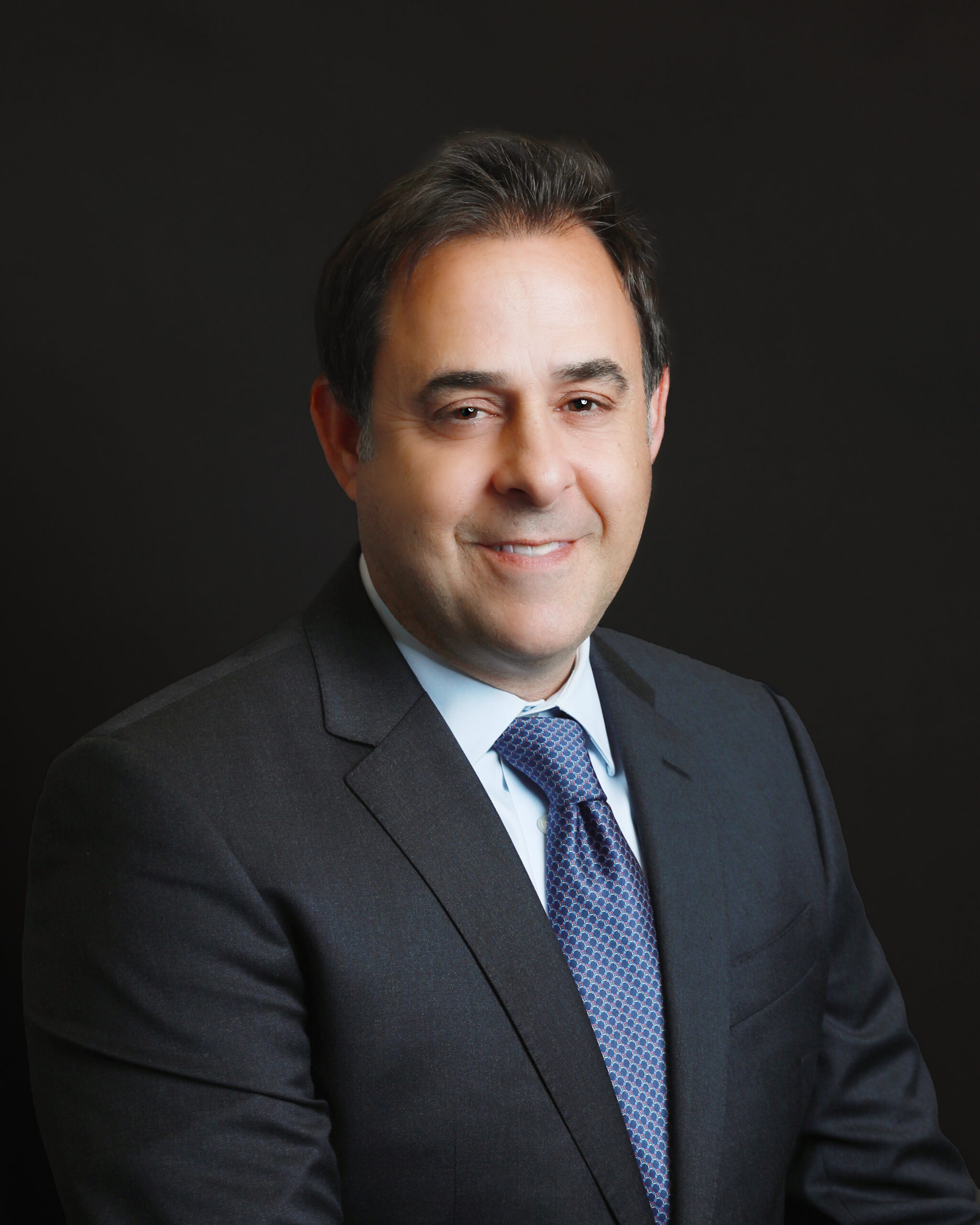
John Akhnoukh, M.D.
Board Certified Anesthesiologist & Interventional Pain Management Physician
Visit Profile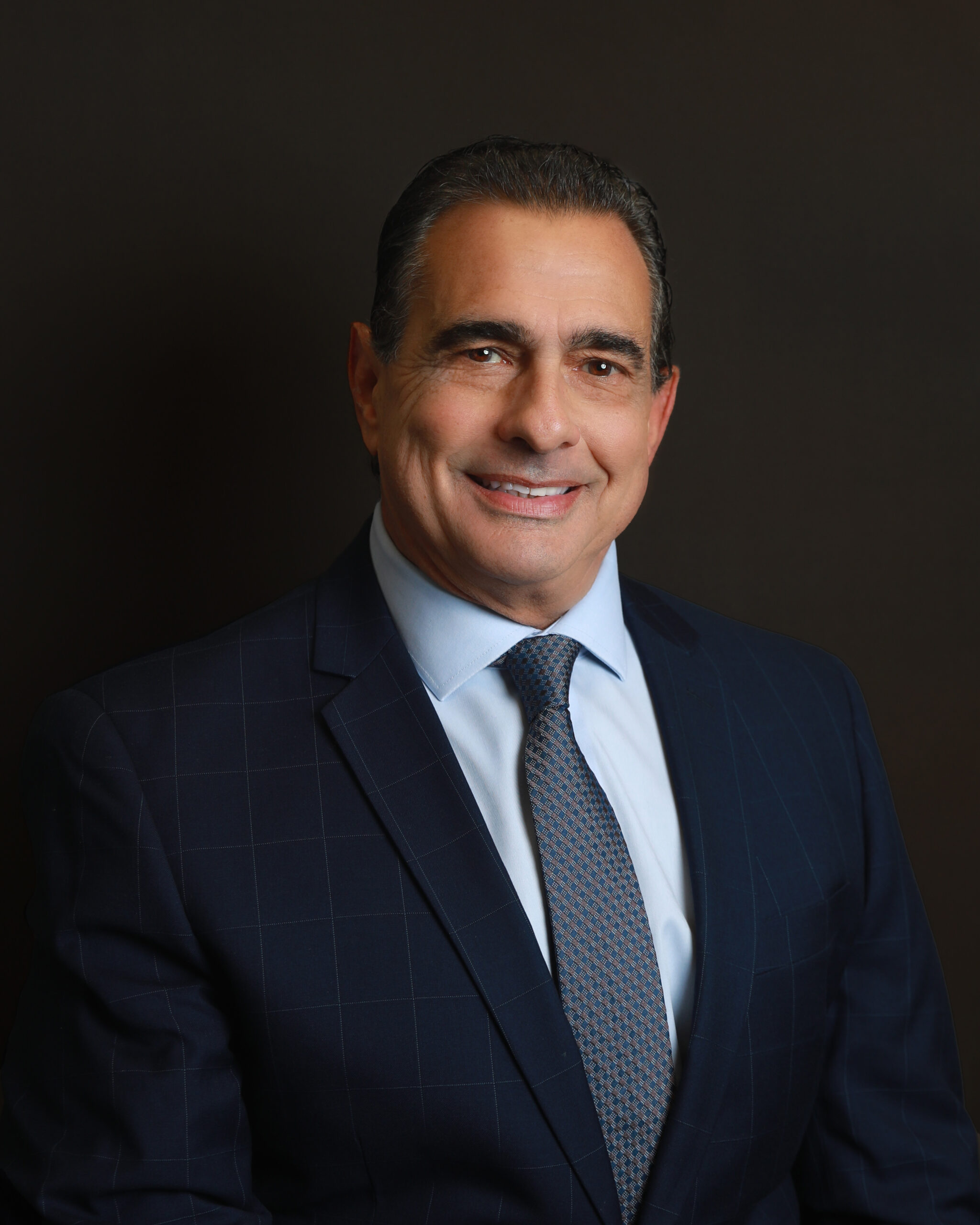

Pain Management
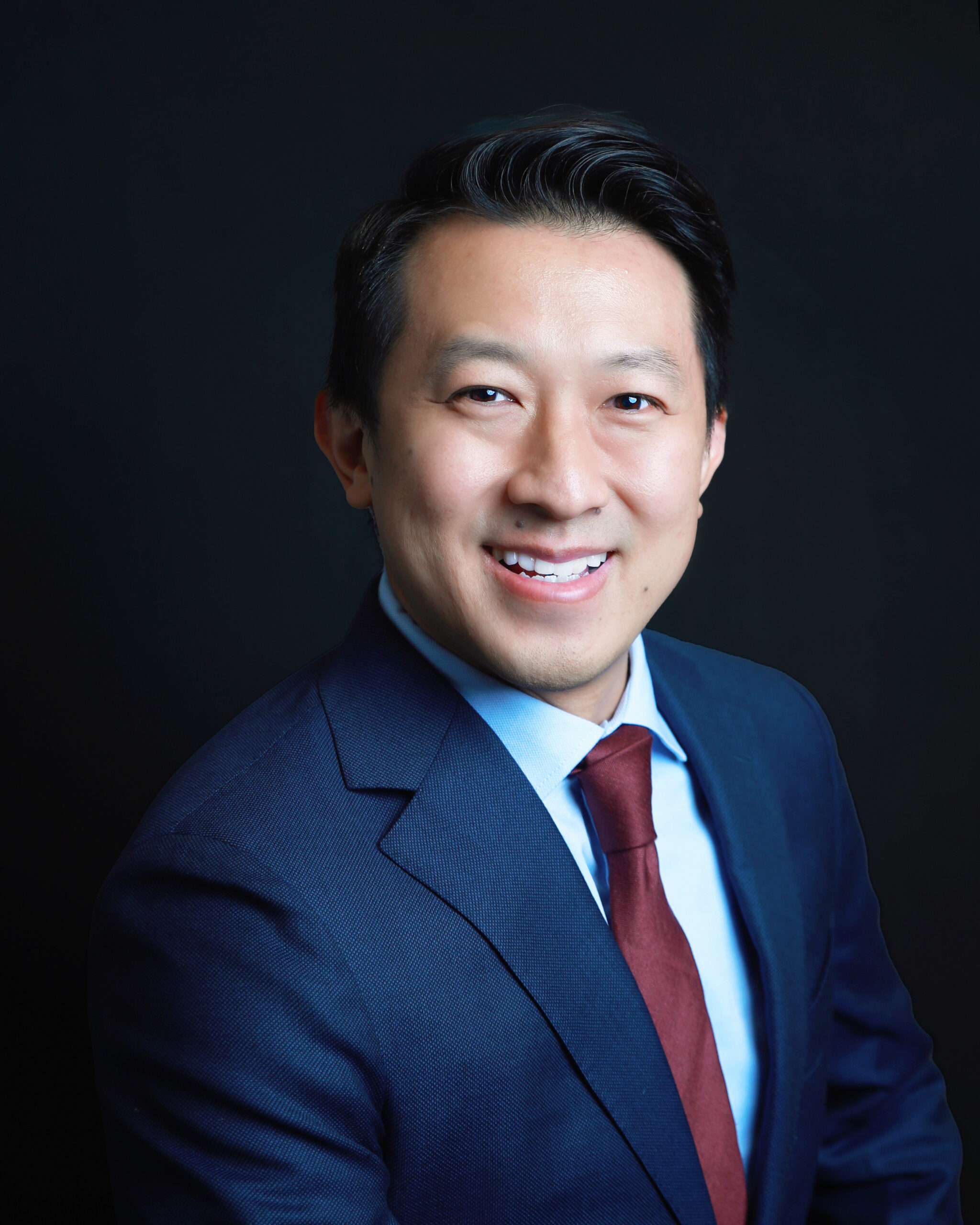
James Yu, D.O.
Board Certified Anesthesiologist & Interventional Pain Management Physician
Visit Profile
Pain Management
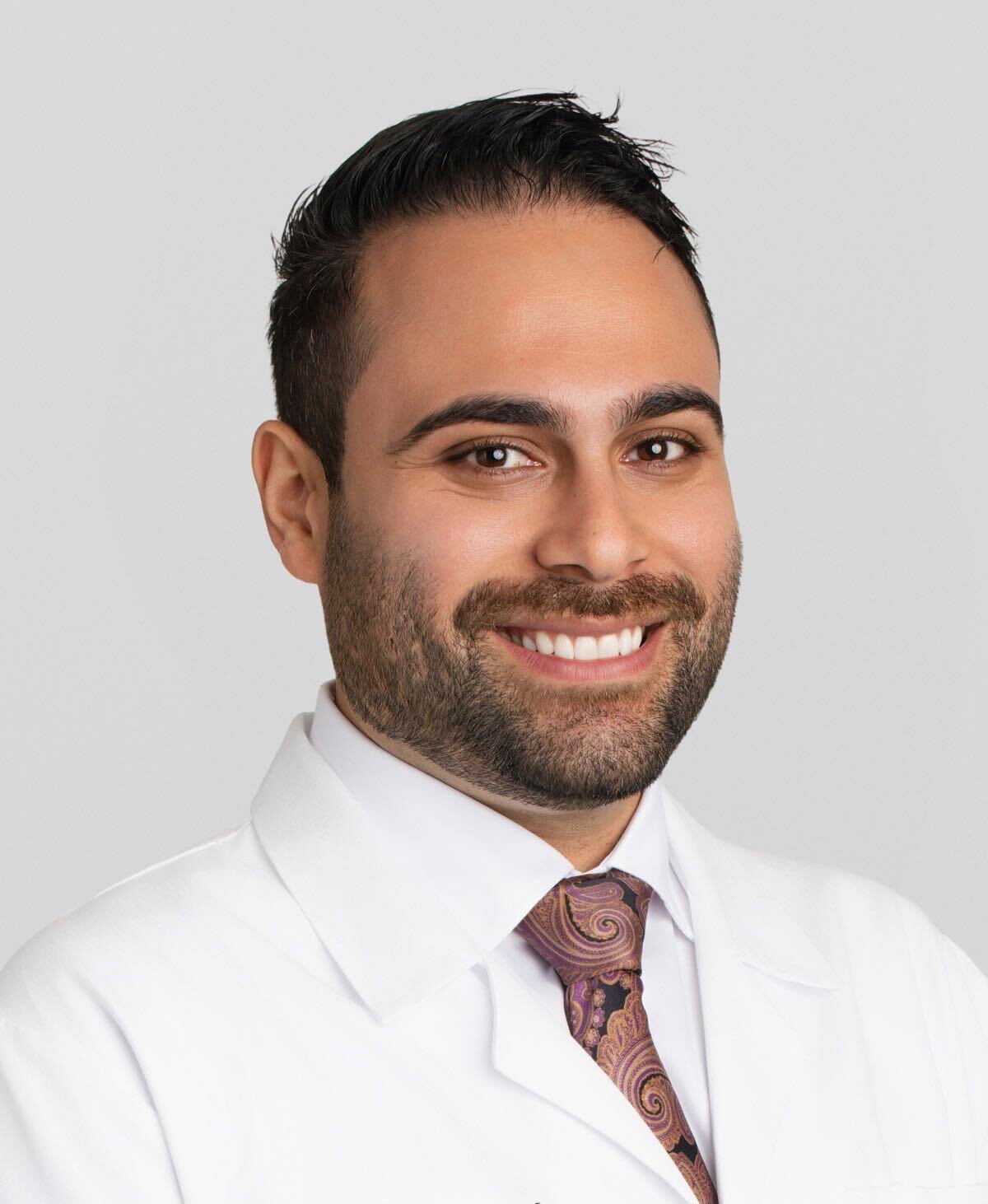
Benjamin Souferi, D.O.
Fellowship-Trained Interventional Pain Medicine Physician (Cleveland Clinic)
Visit ProfilePain Conditions Affecting Daily Life
Improve your quality of life with our comprehensive approach to pain management
We are dedicated to finding individualized treatment options tailored to fit your needs. Our team is dedicated to helping you lead a productive and active life, free from pain and disruption.
Our Locations
Pain management and orthopedic care across New York and New Jersey.