Returning to Sports After Knee Surgery: A Safe Timeline
Nine months after knee surgery, most people feel fine. They can jog, squat, climb stairs, and go through a workout without thinking about it. That’s exactly when the temptation shows up: if it feels normal, why not play?
Because feeling normal and being ready are two different things. Here’s how surgeons and physical therapists actually decide, and how to get back to your sport without ending up back in the operating room.
Why “It Feels Fine” Isn’t the Finish Line
After an ACL reconstruction, the graft goes through a long biological process. It heals into the bone tunnels, then slowly remodels into tissue that behaves like a ligament. That remodeling continues well past the point where your knee feels like a knee again — which is why the window where you feel great but aren’t fully protected is the most dangerous stretch of the whole recovery.
Strength tells a similar story. Your surgical leg can look and feel fine walking around and still be meaningfully weaker than the other side. Walking doesn’t reveal it. Cutting at full speed does.
The core principle: clearance is earned by passing tests, not by surviving a number of months. A date on the calendar can’t tell you whether your quad has caught up.
The Four Gates You Have to Pass
Gate 1 — Time and healing
There’s a biological floor no amount of hard work lowers. The graft has to incorporate and remodel, and that takes months. This is the one gate you cannot train your way through.
Gate 2 — Strength symmetry
Your therapist compares the surgical leg to the healthy one, usually focusing on the quadriceps. A leg that’s clearly weaker than its partner isn’t ready for sport, even if daily life feels effortless. This is the most common reason a motivated athlete gets held back — and the most common thing people talk their way past.
Gate 3 — Hop and power testing
Strength on a machine and power on one leg are different things. A series of single-leg hop tests puts real demand through the knee and shows whether you can produce force and absorb it on landing.
Gate 4 — Movement quality, especially when tired
How your knee behaves when you land and change direction matters enormously, and poor landing mechanics are closely tied to re-injury. Fatigue is the honest test: plenty of athletes look clean when fresh and fall apart in the last ten minutes. That’s precisely when injuries happen.
Typical Timelines by Procedure
Different knee surgeries have very different return windows. These are general ranges, not promises — your surgeon’s plan wins.
| Procedure | Typical return to sport | The limiting factor |
|---|---|---|
| ACL reconstruction | ~9–12 months for cutting/pivoting sports | Graft remodeling plus strength and hop testing |
| Meniscus repair (stitched) | Often ~4–6 months | Protecting the repair while it heals |
| Meniscus trim (partial removal) | Often ~4–8 weeks | Swelling and strength, not tissue healing |
| Knee arthroscopy (general) | Varies widely by what was done inside | The specific work performed |
Note the meniscus contrast: a repair takes far longer than a trim, because stitched tissue has to heal. Two patients can have “meniscus surgery” and get very different timelines. Ask your surgeon which one you had.
How to Lower Your Re-Injury Risk
- Finish the strength work. Most re-tears trace back to returning with a leg that never caught up.
- Train landing, not just running. Straight-line fitness doesn’t prepare a knee for a cut.
- Respect fatigue. Late in games is when mechanics fall apart.
- Ramp up in stages. Practice before scrimmage, scrimmage before competition.
- Keep training after clearance. Clearance is the start of a maintenance phase, not the end of rehab.
- Speak up about swelling. A knee that swells after activity is telling you something.
For a fuller picture of the phases leading up to this point, see our week-by-week ACL recovery timeline.
Signs You Came Back Too Soon
Get re-evaluated promptly if you notice any of these:
- Swelling after activity that wasn’t there before
- The knee giving way, catching, or locking
- Pain that builds through a session instead of easing
- Favoring the leg without meaning to
- Losing confidence in the knee when you plant or pivot
Don’t push through instability. A knee that gives way isn’t a conditioning problem. It’s a reason to get it looked at before more damage happens to the cartilage or meniscus.
Frequently Asked Questions
When can I play sports again after ACL surgery?
Many athletes return to cutting and pivoting sports around 9–12 months, but only after passing strength, hop, and movement testing. Straight-line running usually comes much earlier, often around 3–4 months.
What tests do I need to pass before returning to sport?
Typically strength testing that compares your surgical leg to the healthy one, a series of single-leg hop tests, and an assessment of how you land and change direction — ideally while fatigued.
Can I return to sport sooner if I feel fine?
Feeling fine is not the same as being ready. The graft continues maturing after the knee feels normal, and strength gaps often persist without you noticing. Early return is one of the most common reasons grafts fail.
How likely is a second ACL injury?
Re-injury is a real risk, particularly for young athletes going back to pivoting sports, and returning before passing testing raises it. Your surgeon can talk through your individual risk.
Do I still need my brace when I return to sport?
It depends on your surgeon, your sport, and your knee. Some patients use a functional brace for a season; others don’t need one. Follow your surgeon’s guidance rather than what a teammate did.
Getting Back to Your Sport, Safely
Our sports medicine surgeons handle both the procedure and the return-to-sport decision, so the person who rebuilt your knee is the one clearing it. Learn more about ACL reconstruction, our full range of knee surgery options, or the causes of knee pain. For an independent overview of ACL injuries, see the American Academy of Orthopaedic Surgeons on OrthoInfo.
Ready to get back on the field?
Get assessed by a board-certified sports medicine surgeon who will test your knee properly — and tell you honestly when it’s ready.
Long Island, NY: (516) 229-1443 · New Jersey: (732) 630-7246

Dr. Jeffrey Guttman
Articles: 15
Medicare, Workers Comp,
No Fault & Others.
We accept most major insurance plans across our New York and New Jersey offices. Select your state to see accepted plans.
Accepted at our New York Locations
Workers' Compensation
No-Fault (NY & NJ)
Lien Cases
Medicare
Empire BCBS
BCBS / Anthem
Cigna
Aetna
Empire NYSHIP
Oxford (PPO)
United Health Care
GHI / Emblem Health
Humana (PPO)
Magnacare (PPO)
Northwell Direct
1199 SEIU
Self Pay
Accepted at our New Jersey Locations
No-Fault (NJ)
Lien Cases
Horizon BCBS
Empire NYSHIP
BCBS / Anthem (PPO)
Cigna
Aetna (PPO)
GHI / Emblem (PPO)
Port Authority UHC
Verizon Plan
Carpenter & Trade Unions
Self Pay
Medicare and Medicaid are not accepted at our New Jersey locations. Not sure about your plan? Call us and we'll verify before your visit.
Not sure about your plan?
Call Us — 516-229-1443
Verify Your Coverage for FREE
Enter your information and our team will confirm your benefits before your visit.
✓ HIPAA Compliant
✓ No Obligation
✓ Same-Day Response
Your information is encrypted and secure. By submitting, you consent to receive communications regarding your appointment. You may opt out at any time.
Meet Our Pain Management & Orthopedic Specialists
Board-certified physicians dedicated to accurate diagnosis and minimally invasive care.
Pain Management
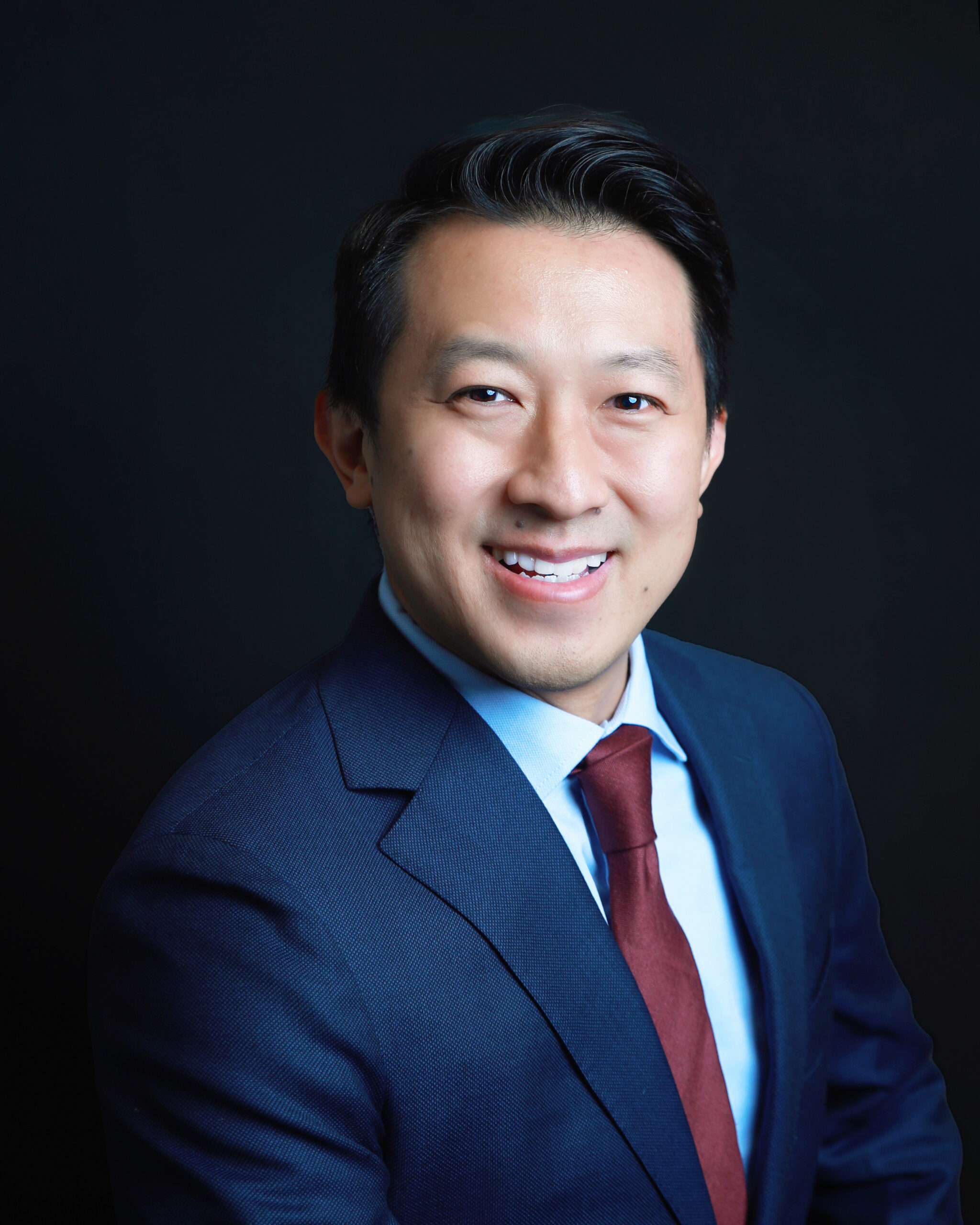
John Akhnoukh, M.D.
Board Certified Anesthesiologist & Interventional Pain Management Physician
Visit Profile

Pain Management
James Yu, D.O.
Board Certified Anesthesiologist & Interventional Pain Management Physician
Visit Profile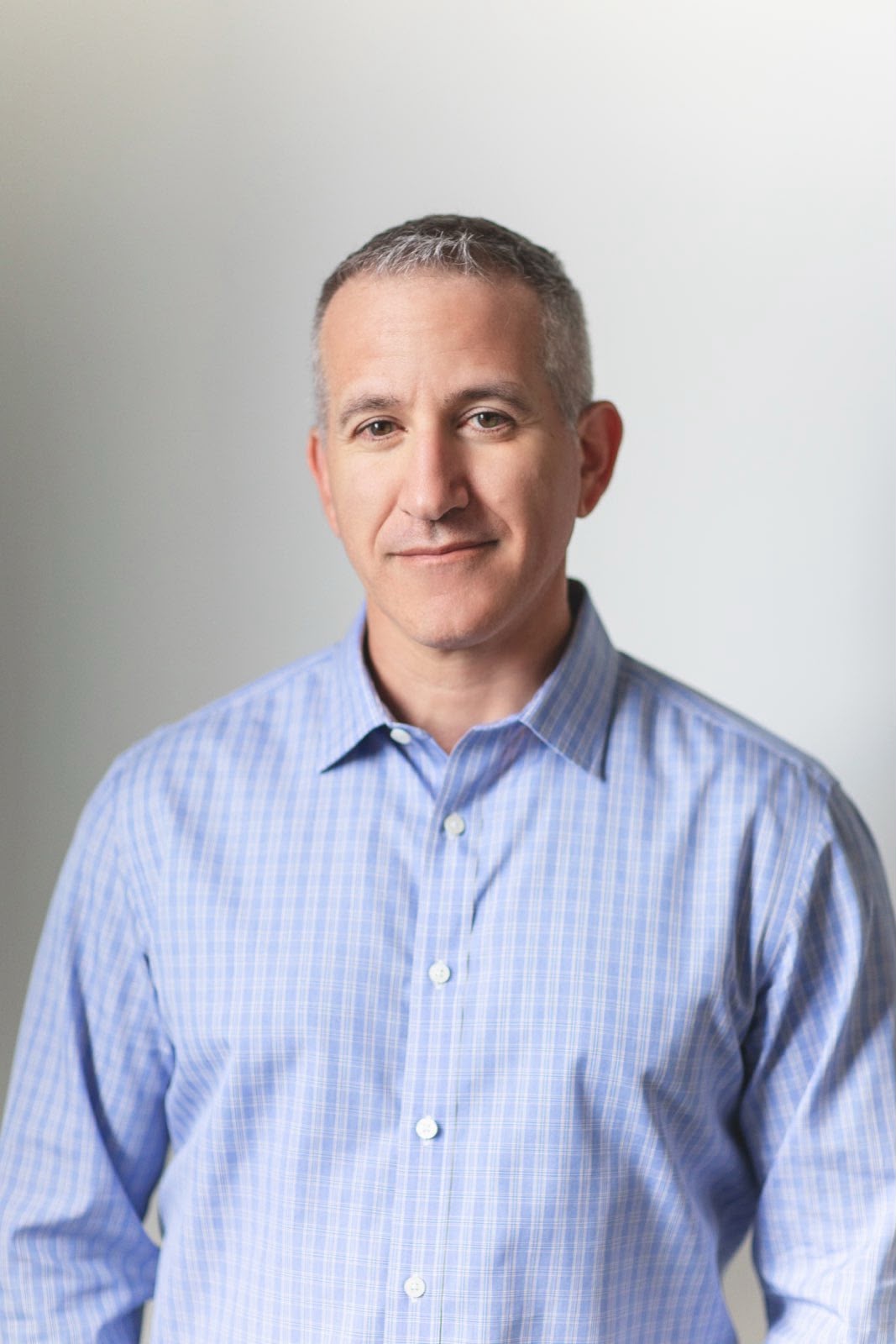
Pain Management
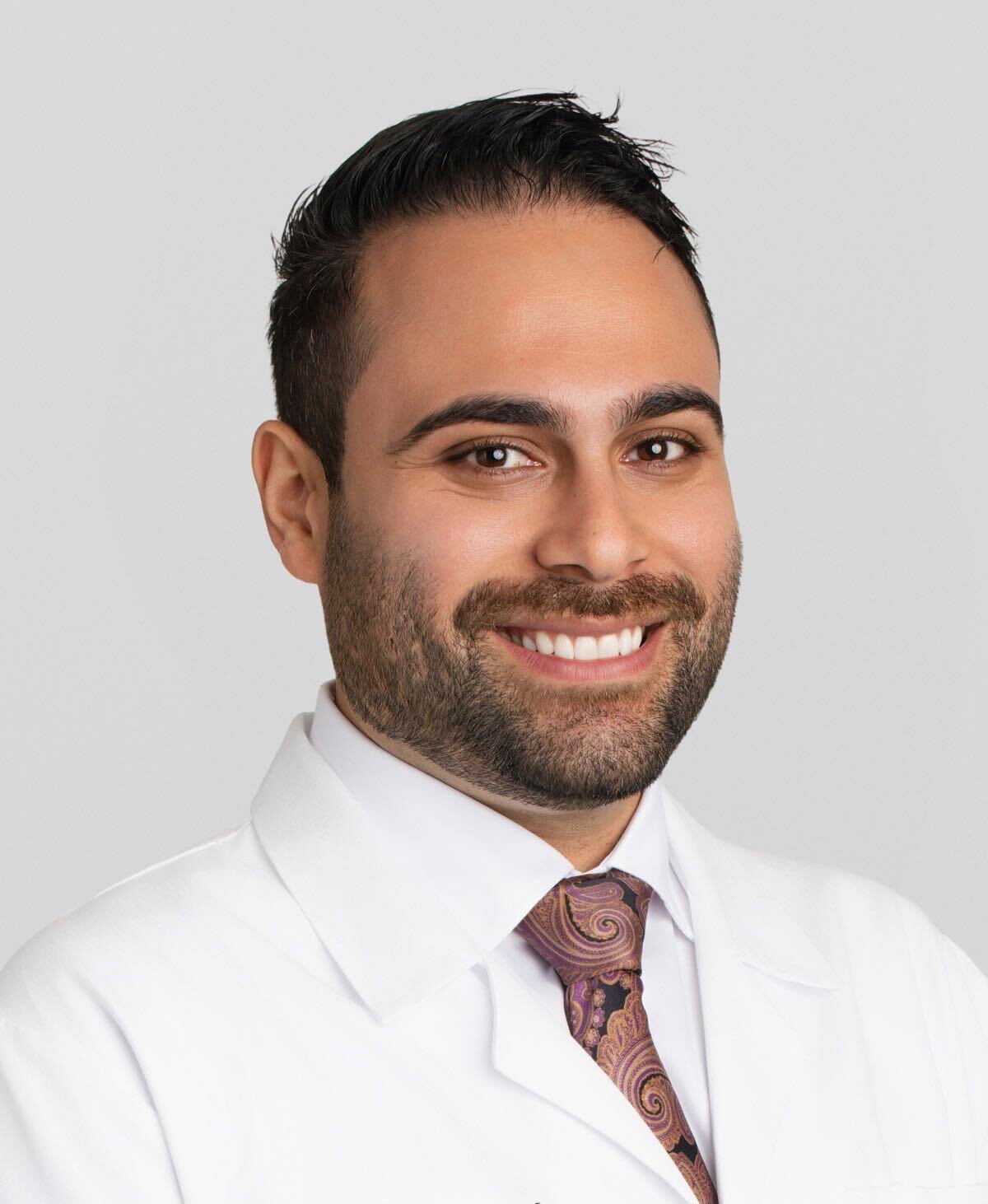
Benjamin Souferi, D.O.
Fellowship-Trained Interventional Pain Medicine Physician (Cleveland Clinic)
Visit ProfilePain Conditions Affecting Daily Life
Improve your quality of life with our comprehensive approach to pain management
We are dedicated to finding individualized treatment options tailored to fit your needs. Our team is dedicated to helping you lead a productive and active life, free from pain and disruption.
Our Locations
Pain management and orthopedic care across New York and New Jersey.