Arthroscopic Knee Surgery Recovery Timeline
Knee arthroscopy is a minimally invasive “knee scope” done through a few tiny incisions, and recovery is usually quick. It’s an outpatient procedure, so you go home the same day, and most people return to their usual activities within six to eight weeks (Cleveland Clinic). This guide breaks recovery down week by week so you know what’s normal at each stage — and when to call your surgeon.
Key takeaways
- Knee arthroscopy is outpatient — you go home the same day.
- Swelling and pain peak in the first few days, then steadily improve.
- Most people return to usual activities in about 6–8 weeks; sports and heavy labor take longer.
- A meniscus repair recovers more slowly than a simple trim (meniscectomy).
- Physical therapy is the key to a strong, safe return.
Knee arthroscopy recovery at a glance
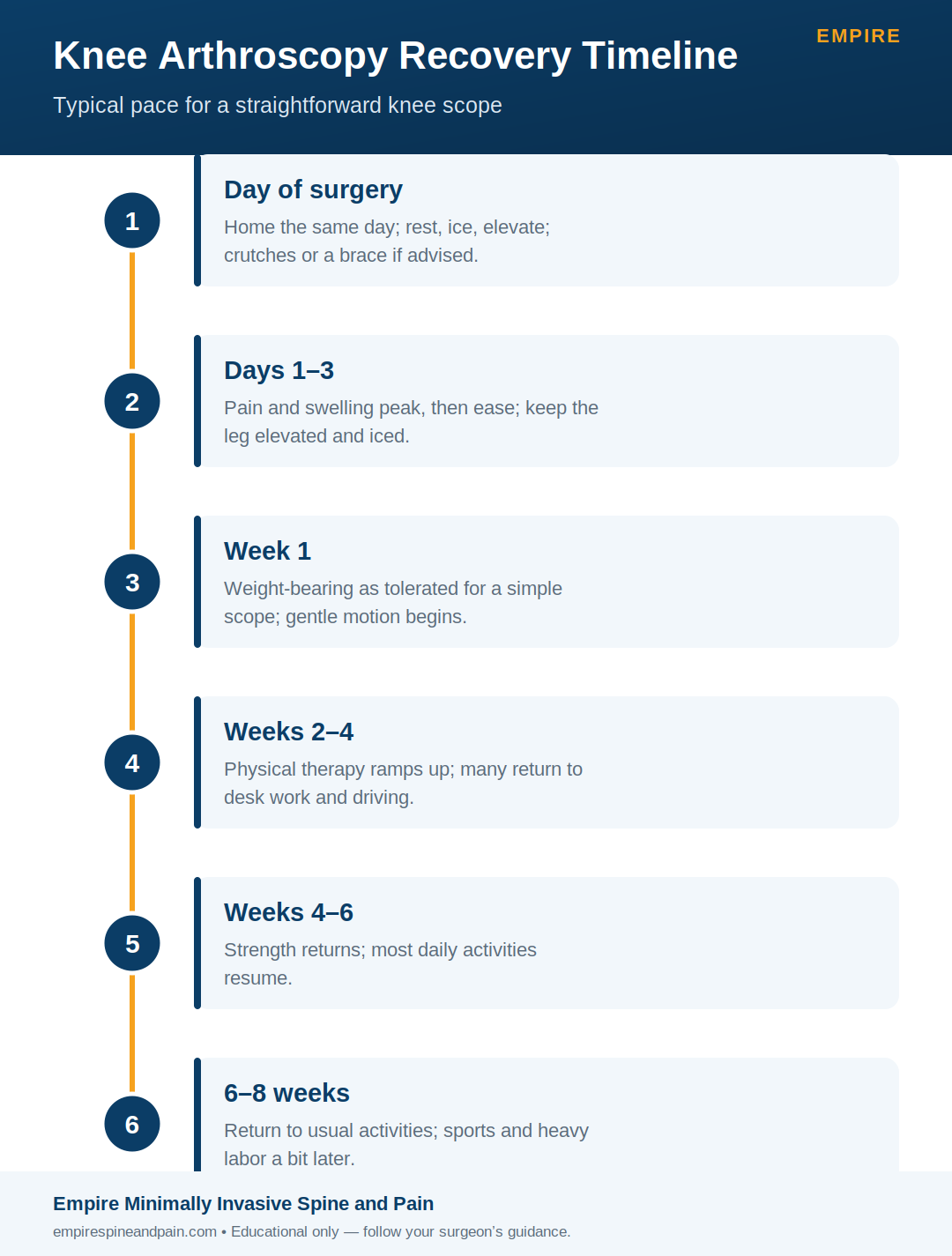
Recovery is a series of milestones. Here’s the typical timeline for a straightforward scope:
| Stage | What most people can do |
|---|---|
| Day of surgery | Home the same day; rest, ice, and elevate; crutches or a brace if advised. |
| Days 1–3 | Pain and swelling peak, then ease; keep the leg elevated and iced. |
| Week 1 | Weight-bearing as tolerated for a simple scope; gentle motion begins. |
| Weeks 2–4 | Physical therapy ramps up; many return to desk work and driving. |
| Weeks 4–6 | Strength returns; most daily activities resume. |
| 6–8 weeks | Return to usual activities; sports and heavy labor a bit later. |
Day of surgery
Knee arthroscopy is usually done under regional or general anesthesia and takes about an hour. Because it’s outpatient, you’ll head home the same day once you’ve recovered from anesthesia — arrange for someone to drive you. At home, the priorities are rest, ice, and keeping the leg elevated to control swelling. You may have a brace and crutches depending on what was done.
Days 1 to 3
Pain and swelling are usually at their highest in the first few days and then begin to settle. Cleveland Clinic notes that pain and swelling improve after a few days. Stick with the RICE basics — rest, ice, compression, elevation — take pain medicine as directed, and do any gentle ankle and thigh movements your surgeon recommends to keep circulation up.
Week 1
For a straightforward scope, many people bear weight as tolerated and start moving the knee gently within the first week. Keep managing swelling, and begin the light exercises your care team gives you. Prolonged standing and long days on your feet still need to wait.
Weeks 2 to 4
This is when momentum builds. Physical therapy ramps up to restore motion and rebuild the quad and hamstring muscles. Many people return to desk work and to driving in this window, once they’re off strong pain medication and can control the car safely (often sooner for a left-knee procedure with an automatic transmission). Physical or standing jobs usually need more time.
Weeks 4 to 6
By four to six weeks, strength and confidence return and most daily activities feel normal again. Therapy shifts toward strengthening and balance so the knee is ready for more demanding activity.
6 to 8 weeks and beyond
Cleveland Clinic notes that most people return to their usual activities within six to eight weeks. Higher-impact activities — sports, running, and heavy labor — typically come a little later, once strength and control are fully back and your surgeon clears you.
Meniscectomy vs. meniscus repair: an important difference
Not all knee scopes recover at the same pace. If the surgeon trims the damaged meniscus (a meniscectomy), recovery is on the faster end — often the timeline above. If the surgeon repairs (stitches) the meniscus, the tissue needs time to heal, so you may be on protected weight-bearing and limited bending for several weeks, and full return can take a few months. Your surgeon will tell you which was done and tailor your timeline.
How to speed your recovery
A few habits make a real difference:
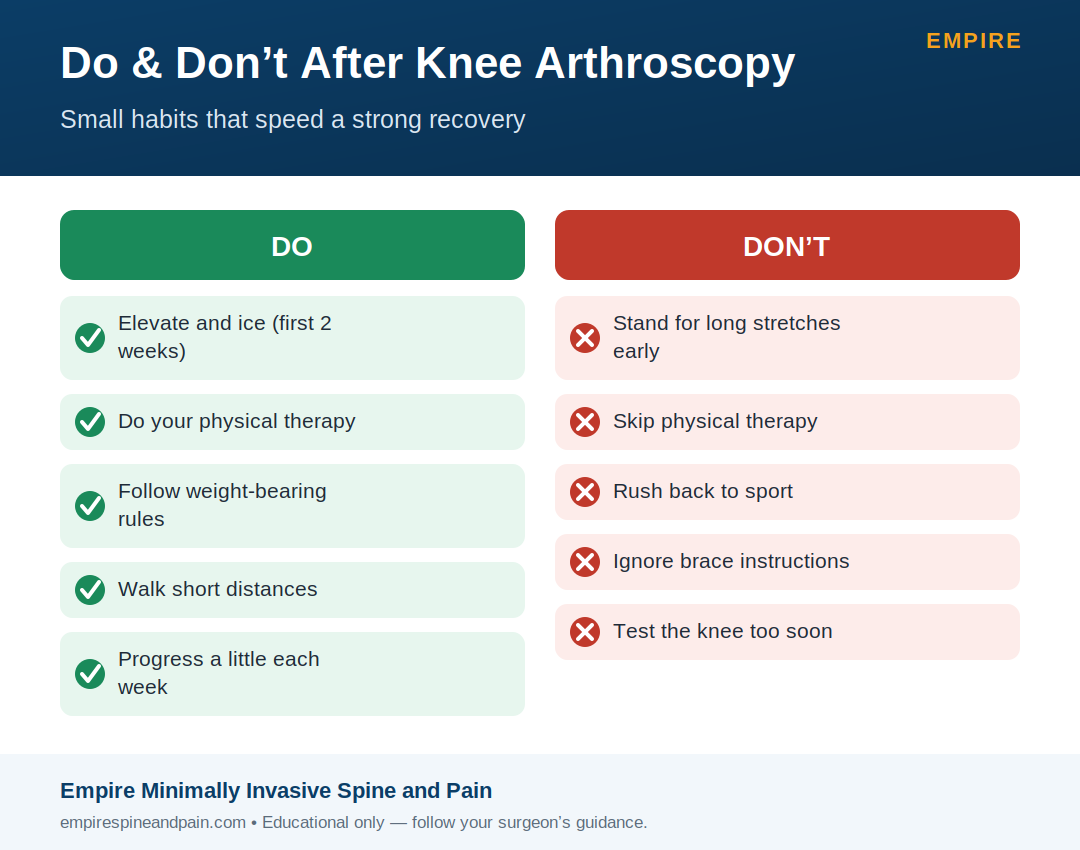
- Elevate and ice to keep swelling down, especially the first two weeks.
- Do your physical therapy exercises consistently — this is the biggest lever.
- Follow your weight-bearing and brace instructions exactly.
- Walk short distances to keep circulation up and prevent stiffness.
- Ease back in — progress a little each week rather than testing the knee too soon.
Warning signs to call your surgeon
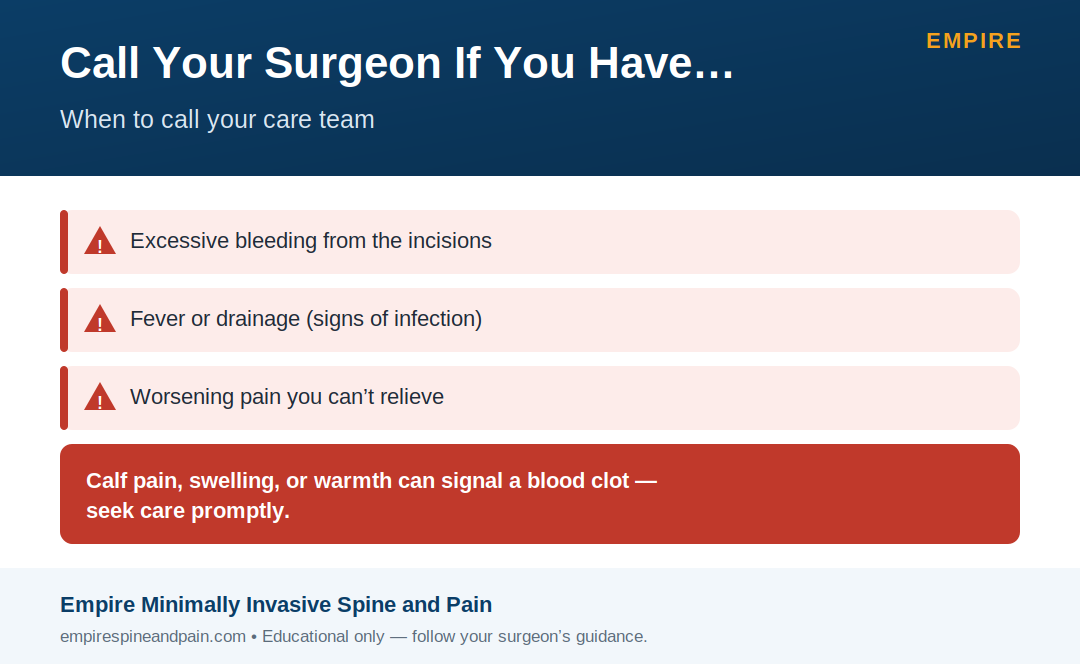
Some swelling and soreness are expected. But Cleveland Clinic advises contacting your provider for excessive bleeding from the incisions, signs of infection such as fever or drainage, worsening pain you can’t relieve, or pain in your calf — which can be a sign of a blood clot. Calf pain, swelling, or warmth deserves prompt attention.
Is arthroscopic knee surgery painful?
Most people have manageable pain that’s well controlled with ice, elevation, and medication, and it improves within the first week or two. The small incisions mean far less pain than open surgery. If you’re weighing the procedure, our guide on what to expect from knee arthroscopy covers the day itself, and our returning to sport after knee surgery guide covers the final stage. To have your knee evaluated first, connect with a knee pain doctor or, if a repair is likely, an ACL & knee surgeon near you. Learn more about the procedure on our knee arthroscopy page or explore knee pain options.
Frequently asked questions
How long until I can walk after knee arthroscopy?
Most people put weight on the knee the same day or within the first week for a simple scope, using crutches at first if advised. A meniscus repair may require protected weight-bearing for several weeks.
When can I drive after knee arthroscopy?
Often within one to two weeks, once you’re off strong pain medication and can safely control the car. It tends to be sooner for a left-knee procedure with an automatic. Follow your surgeon’s guidance.
When can I return to work?
Desk or light-duty work often resumes within one to two weeks. Physical or standing jobs usually need several weeks, guided by your recovery and therapy progress.
When can I return to sports?
Most usual activities return by about six to eight weeks, while higher-impact sports typically come later once strength and control are fully restored and your surgeon clears you.
Is knee arthroscopy recovery painful?
Pain is usually mild to moderate and well controlled with ice, elevation, and medication, improving over the first week or two thanks to the small incisions.
This article is for general education and is not a substitute for personal medical advice. Recovery varies by procedure and person — follow your surgeon’s instructions. Source: Cleveland Clinic (Knee Arthroscopy).
What Our Patients Say

Dr. Salvatore Corso
Articles: 9
Our Plainview office has moved
Find us at our new location:
520 Old Country Rd
Plainview, NY 11803
Same doctors, same phone numbers.
Most Major Plans,
No-Fault & Personal Injury.
We accept most major insurance plans across our New York and New Jersey offices. Select your state to see accepted plans.
Accepted at our New York Locations
Workers' Compensation
No-Fault (NY & NJ)
Lien Cases
Medicare
Empire BCBS
BCBS / Anthem
Cigna
Aetna
Empire NYSHIP
Oxford (PPO)
United Health Care
GHI / Emblem Health
Humana (PPO)
Magnacare (PPO)
Northwell Direct
1199 SEIU
Self Pay
Accepted at our New Jersey Locations
No-Fault (NJ)
Lien Cases
Horizon BCBS
Empire NYSHIP
BCBS / Anthem (PPO)
Cigna
Aetna (PPO)
GHI / Emblem (PPO)
Port Authority UHC
Verizon Plan
Carpenter & Trade Unions
Self Pay
Medicare, Medicaid and Workers' Compensation are not accepted at our New Jersey locations. Not sure about your plan? Call us and we'll verify before your visit.
Not sure about your plan?
Call Us — 516-229-1443
Verify Your Coverage for FREE
Enter your information and our team will confirm your benefits before your visit.
✓ HIPAA Compliant
✓ No Obligation
✓ Same-Day Response
Your information is encrypted and secure. By submitting, you consent to receive communications regarding your appointment. You may opt out at any time.
Meet Our Pain Management & Orthopedic Specialists
Board-certified physicians dedicated to accurate diagnosis and minimally invasive care.
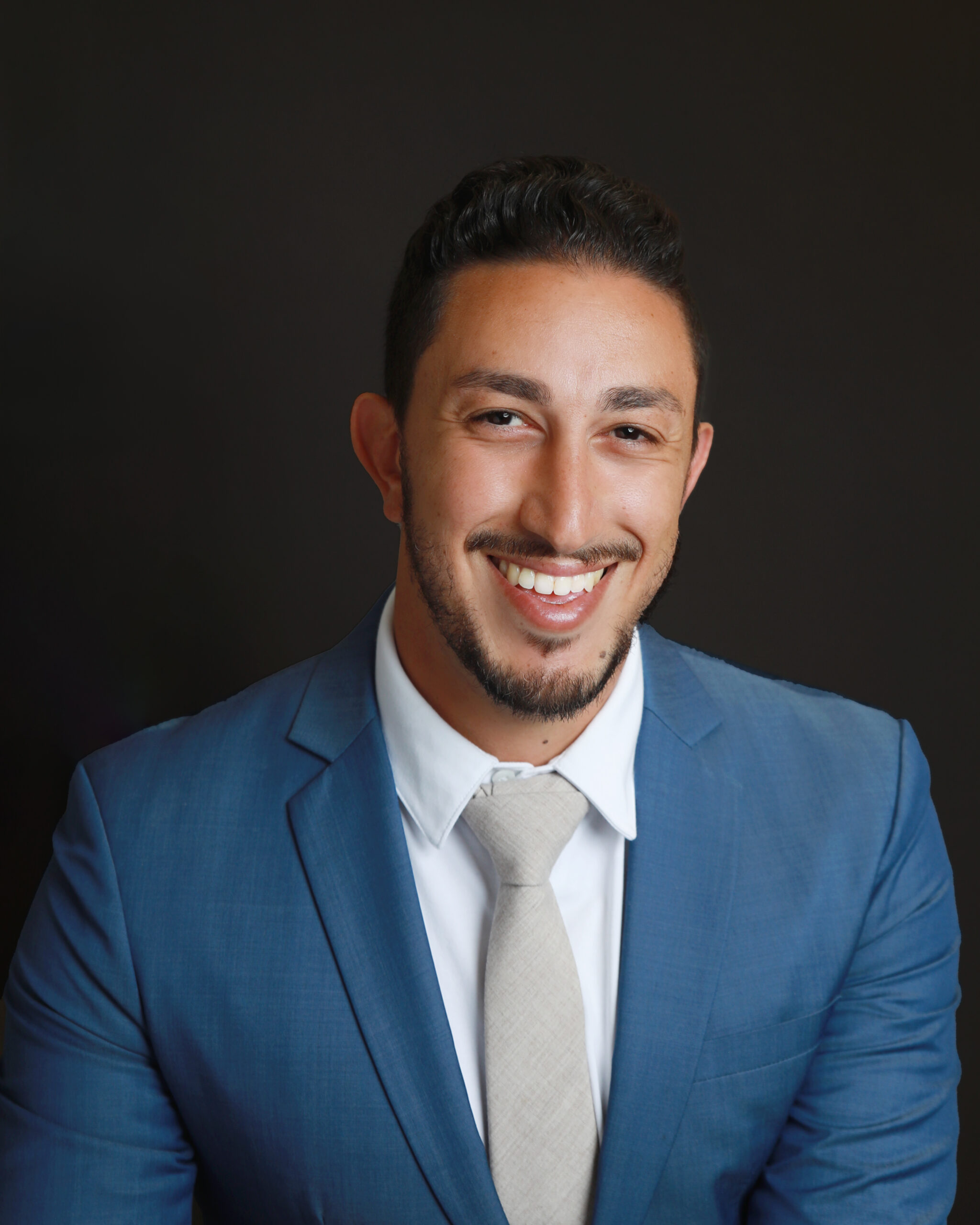
Pain Management
John Akhnoukh, M.D.
Board Certified Anesthesiologist & Interventional Pain Management Physician
Visit Profile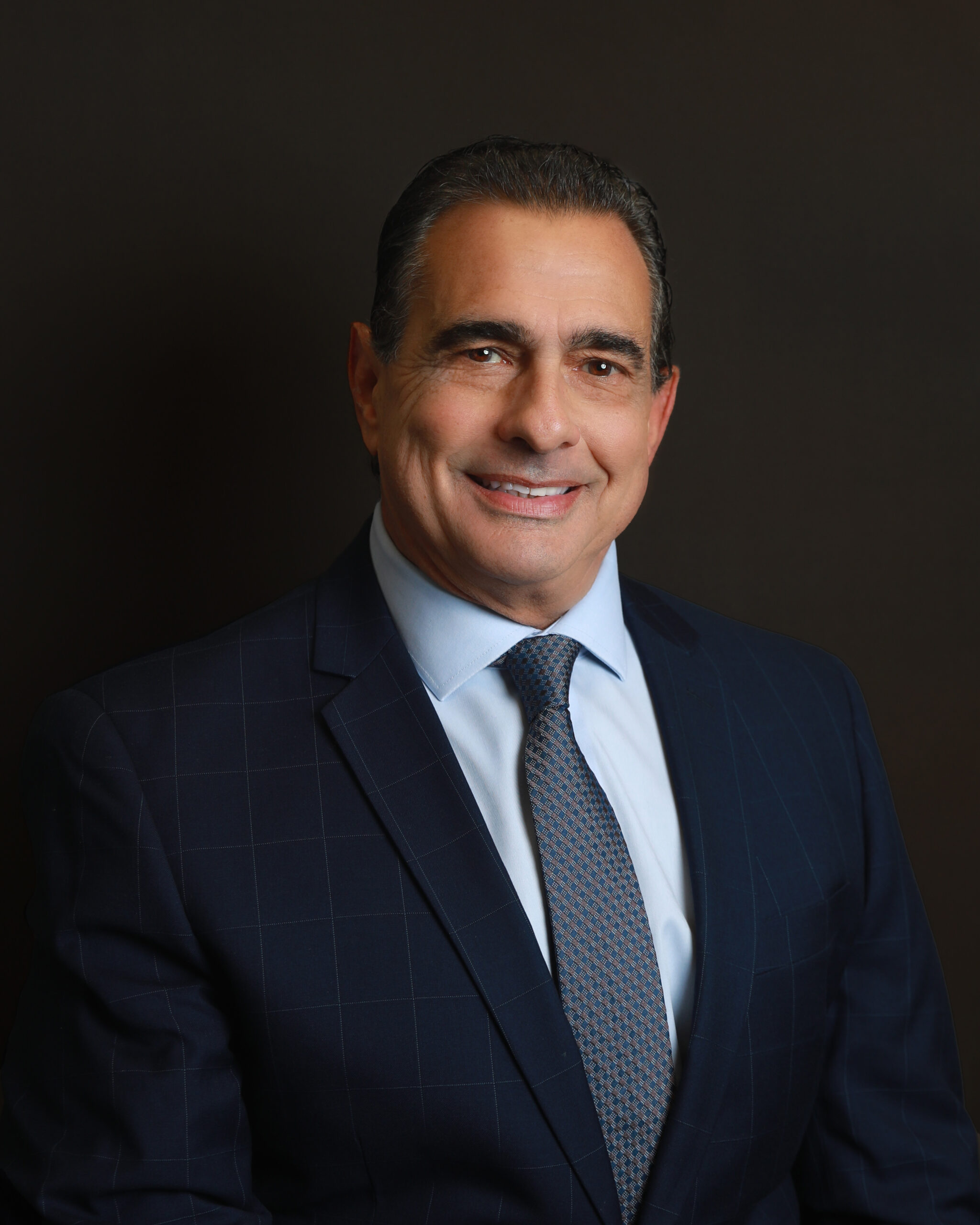
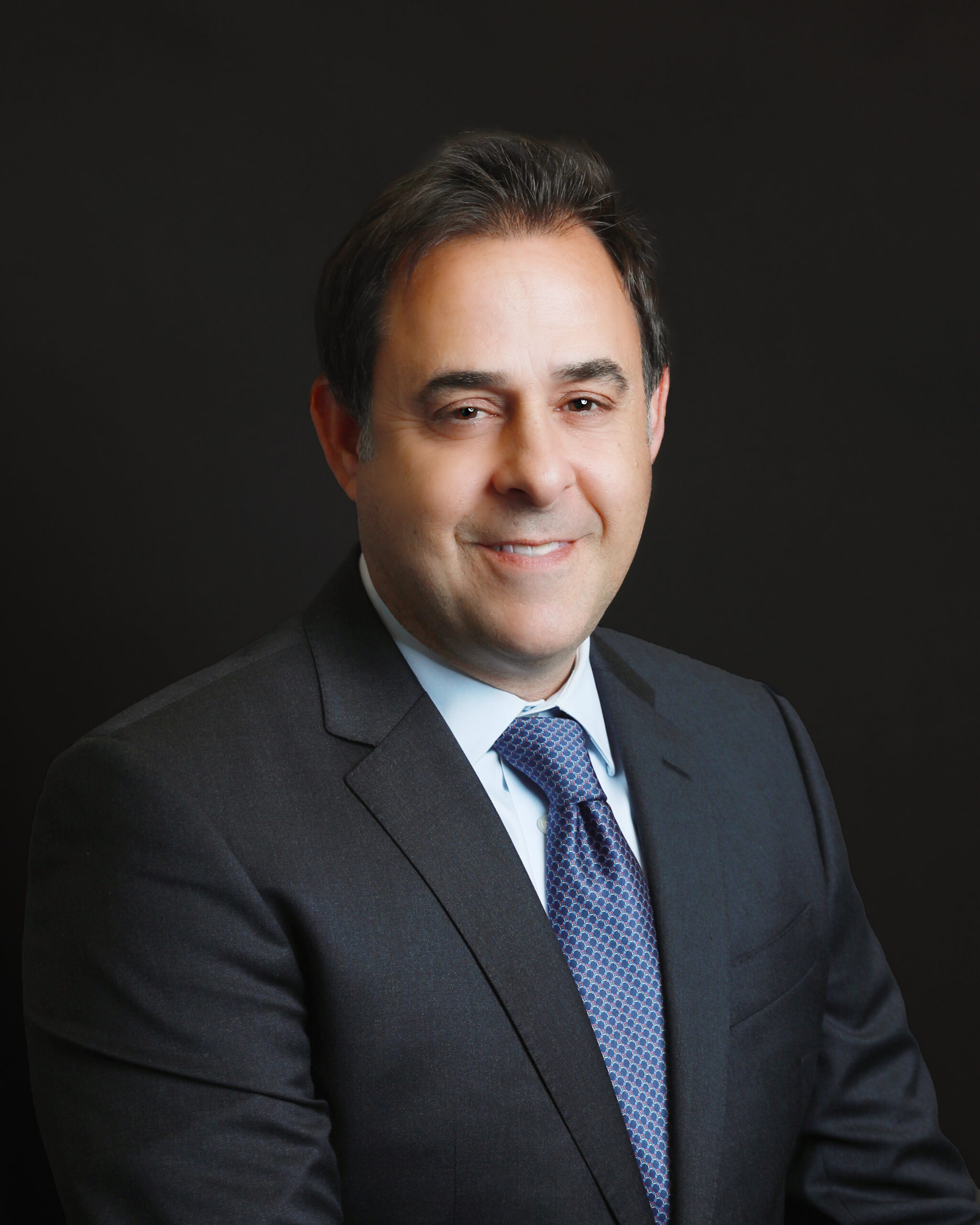

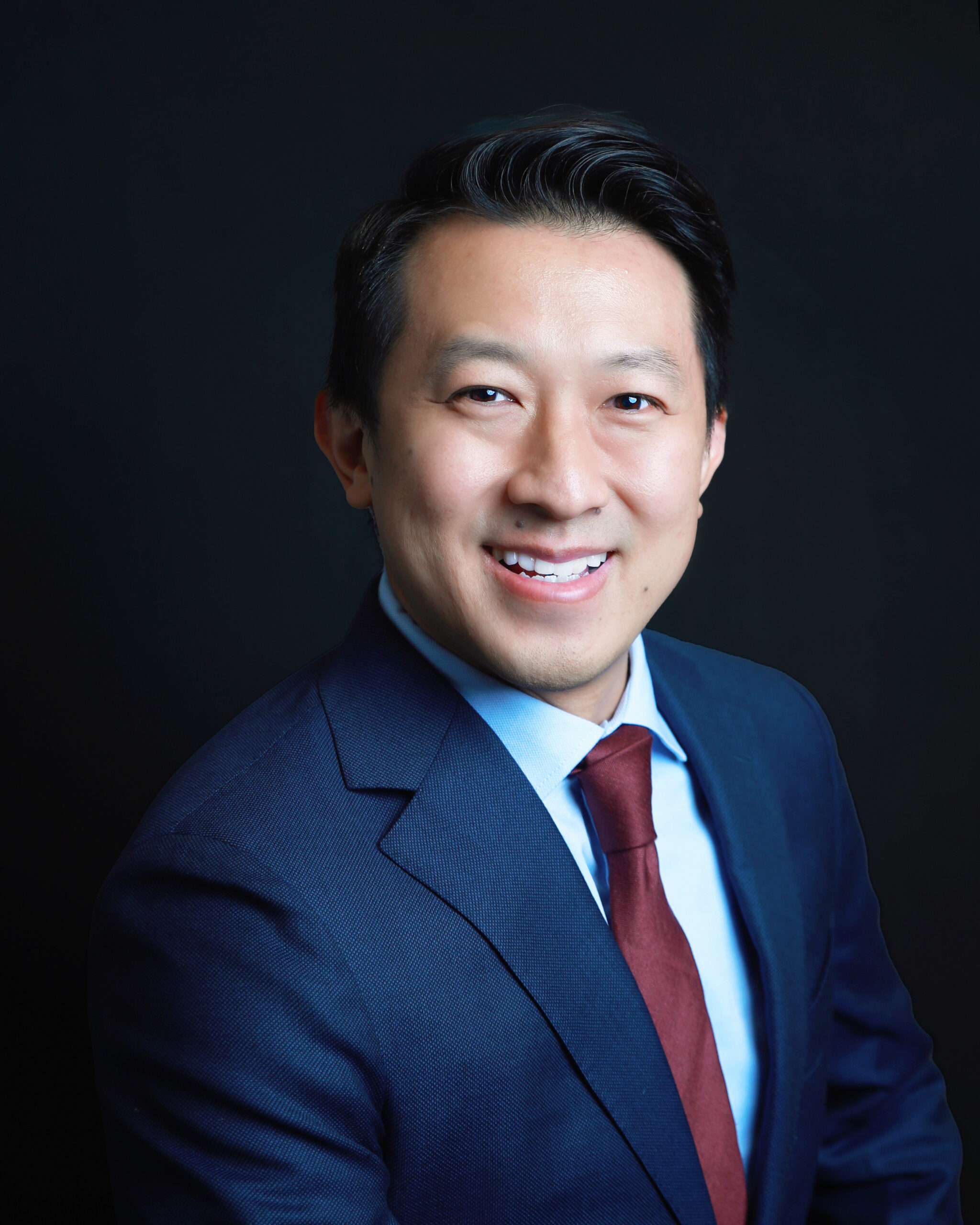
Pain Management
James Yu, D.O.
Board Certified Anesthesiologist & Interventional Pain Management Physician
Visit Profile
Pain Management
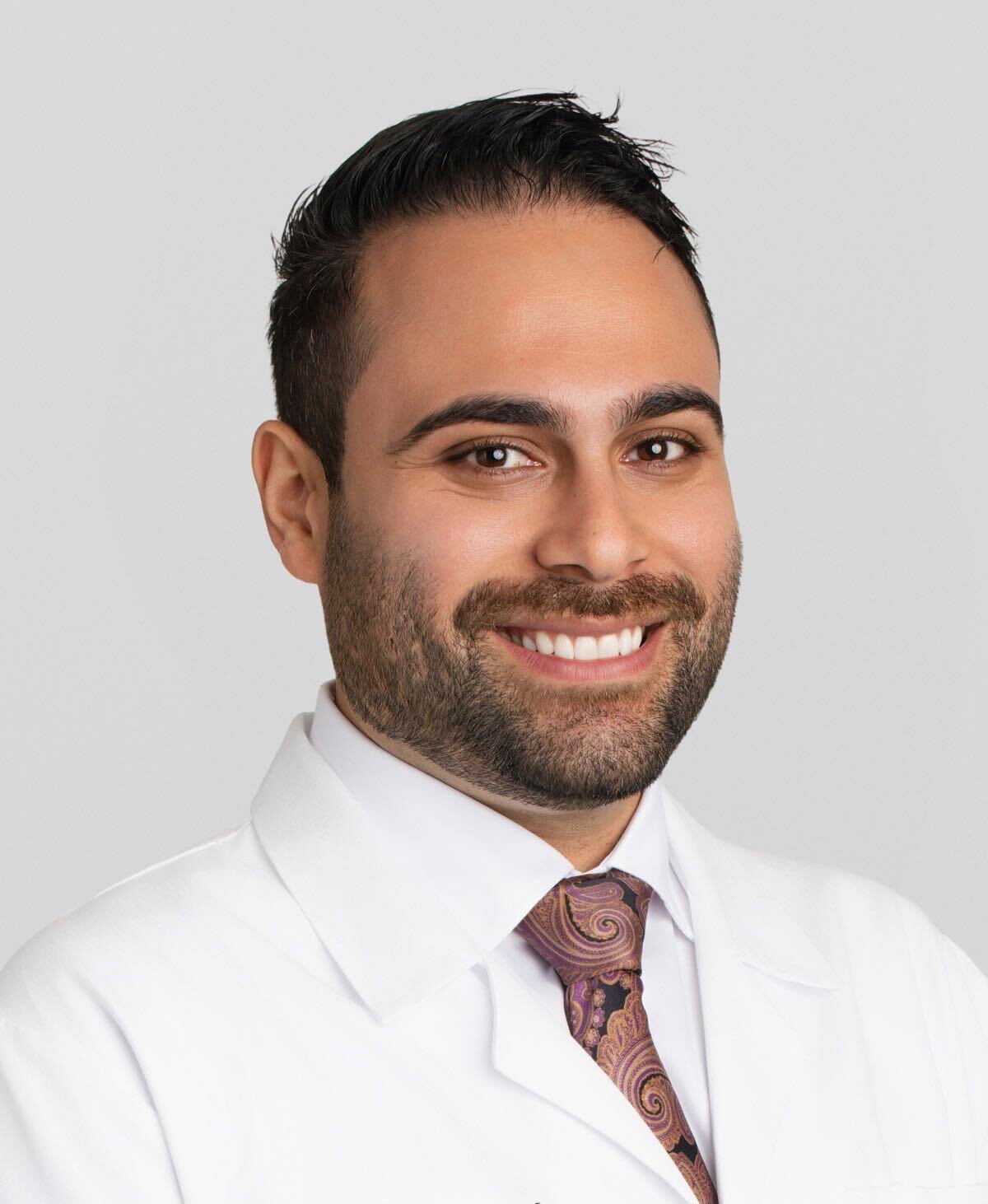
Benjamin Souferi, D.O.
Fellowship-Trained Interventional Pain Medicine Physician (Cleveland Clinic)
Visit ProfilePain Conditions Affecting Daily Life
Improve your quality of life with our comprehensive approach to pain management
We are dedicated to finding individualized treatment options tailored to fit your needs. Our team is dedicated to helping you lead a productive and active life, free from pain and disruption.
Our Locations
Pain management and orthopedic care across New York and New Jersey.