
Pinched Nerve in the Lower Back: Causes, Symptoms & Relief
In this article
- What is a pinched nerve in the lower back?
- What does a pinched nerve in the lower back feel like?
- What causes a pinched nerve in the lower back?
- How is a pinched nerve diagnosed?
- How do you fix a pinched nerve in the lower back?
- How long does a pinched nerve take to heal?
- When should you see a doctor?
- Frequently asked questions
Quick answer: how do you treat a pinched nerve in the lower back?
Most people get better without surgery. Treatment usually starts with staying gently active, heat or ice, short-term anti-inflammatory medicine and physical therapy. If pain still limits you after a few weeks, an image-guided epidural steroid injection can calm the irritated nerve. Surgery is kept for cases that don’t improve or that cause weakness. If the pain runs down your leg, see a sciatica doctor on Long Island or our sciatica treatment team in New Jersey.
A pinched nerve in the lower back happens when a nerve root leaving your spine gets pressed on or irritated. It can send pain, numbness, or a pins-and-needles feeling from your back down into your buttock and leg. The good news: most people improve within a few weeks with simple, non-surgical care. This guide explains what a pinched nerve feels like, what causes it, how it’s diagnosed, and the treatment options — from at-home steps to targeted injections — that help you get moving again.
Key takeaways
- A pinched nerve (lumbar radiculopathy) is a compressed or irritated nerve root in the lower spine.
- The classic sign is pain, numbness, or tingling that spreads from the lower back into a leg.
- Common causes include a herniated disc, bone spurs, and age-related disc changes.
- Most cases improve in a few weeks with rest, physical therapy, and anti-inflammatory care.
- Sudden loss of bladder or bowel control, or fast-worsening leg weakness, is an emergency — seek care right away.
What is a pinched nerve in the lower back?
A pinched nerve in the lower back, called lumbar radiculopathy, is a nerve root that has become compressed or irritated where it exits the spine. The lumbar spine sits in your lower back, and the nerves that branch off it travel into your hips, legs, and feet. When one of those roots is pressed on, the symptoms often show up along the path of the nerve rather than only at the spine itself.
Lumbar radiculopathy is caused by a pinched nerve in the spine, where nerve roots become “compressed or irritated,” and lower-back pain or numbness “can spread to your legs” (Cleveland Clinic).
What does a pinched nerve in the lower back feel like?
A pinched nerve in the lower back usually feels like pain, numbness, or tingling that starts in the back and spreads into the buttock, thigh, or lower leg. Some people describe a sharp or burning pain, while others notice a dull ache with a “pins-and-needles” sensation. Muscle weakness in the leg or foot can also occur when the nerve signal is disrupted.
Because the discomfort follows the nerve’s path, many patients feel more symptoms in the leg than in the back itself. When a pinched nerve produces this kind of radiating leg pain, it is often called sciatica.
Cleveland Clinic lists the common signs of radiculopathy as pain around the affected nerve, tingling, numbness, and muscle weakness, and notes that lower-back symptoms “can spread to your legs” (Cleveland Clinic).
What causes a pinched nerve in the lower back?
Most pinched nerves in the lower back come from something pressing on the nerve root — often a disc problem or age-related changes in the spine. As discs and joints wear over time, the space around the nerves can narrow, leaving less room for the roots to pass through.
Common causes include:
- Herniated or bulging disc — the most frequent cause, when disc material presses on a nearby nerve.
- Bone spurs — extra bone growth that narrows the nerve’s path.
- Age-related disc changes — discs lose height and flexibility over time.
- Injury or trauma — a fall, lifting injury, or car accident.
Cleveland Clinic notes that radiculopathy can be caused by trauma, bone spurs, and herniated discs, and that “as you age, your bones and the discs in your spine lose their shape and flexibility” (Cleveland Clinic).
How is a pinched nerve diagnosed?
A pinched nerve is diagnosed with a physical exam and, when needed, imaging or nerve tests to confirm which nerve is involved. Your physician will ask where the pain travels, check your reflexes, strength, and sensation, and look for movements that reproduce your symptoms.
If the picture isn’t clear or symptoms persist, testing may include an MRI to look at discs and soft tissue, an X-ray or CT scan to view bone, or an electromyogram (EMG) to measure how the nerves and muscles are working. At Empire Minimally Invasive Spine and Pain, this evaluation guides a treatment plan matched to the specific nerve and cause — not a one-size-fits-all approach.
How do you fix a pinched nerve in the lower back?
Most pinched nerves in the lower back are treated without surgery, starting with the least invasive options and stepping up only if symptoms don’t improve. Empire follows a step-and-ladder approach: begin with conservative care, add targeted procedures if needed, and reserve surgery for cases that don’t respond.
Conservative care (first step)
Early care often includes activity changes, ice or heat, and physical therapy to reduce pressure on the nerve and build supporting strength. Over-the-counter anti-inflammatory medicines may ease pain. Cleveland Clinic advises talking to a provider before taking an NSAID for longer than 10 days.
Home remedies and gentle movement
For a new pinched nerve, keeping moving usually helps more than resting in bed. The NHS advises carrying on with normal activities as much as you can, not sitting or lying down for long periods, starting gentle exercise as soon as you can, and using heat packs on the painful area (NHS). Short walks, and simple stretches a physical therapist shows you, are a good start. Stop any exercise that sends more pain or numbness down your leg.
Get urgent care if you have numbness around your groin or bottom, new trouble controlling your bladder or bowels, or weakness in both legs that is getting worse. These can signal a serious nerve problem that needs treatment the same day.
Minimally invasive procedures (next step)
When pain limits daily life or doesn’t settle with conservative care, image-guided injections can calm inflammation around the nerve. Epidural steroid injections deliver anti-inflammatory medicine near the irritated nerve root and can provide a window of relief that makes physical therapy more effective. These are targeted at the specific level causing your spinal nerve pain.
Surgery (last resort)
Surgery is uncommon for a pinched nerve and is generally considered only when symptoms are severe or don’t improve. Cleveland Clinic notes providers “only recommend surgery if you have severe symptoms that affect your quality of life.” When it is needed, minimally invasive and endoscopic techniques can relieve pressure on the nerve through very small incisions.
Most people with a pinched nerve are treated without surgery. Cleveland Clinic reserves surgery for “severe symptoms that affect your quality of life,” using conservative care and injections first (Cleveland Clinic).
How long does a pinched nerve take to heal?
Most pinched nerves in the lower back improve within a few weeks with non-surgical care. Recovery time depends on the cause, how long symptoms have been present, and how well the nerve responds to treatment. Staying gently active, following a physical therapy plan, and avoiding movements that flare the pain all help.
On recovery, Cleveland Clinic states that with treatment, “most people feel better in a few weeks (or sooner)” (Cleveland Clinic).
When should you see a doctor?
See a doctor if lower-back or leg pain lasts more than a week or two, keeps returning, or interferes with sleep, work, or walking. A specialist can pinpoint the cause and start targeted treatment before the problem becomes chronic.
Seek emergency care now if you have:
- New loss of bladder or bowel control
- Numbness in the groin or inner thighs (saddle area)
- Rapidly worsening weakness in one or both legs
Still hurting after a couple of weeks?
Empire Minimally Invasive Spine and Pain treats pinched nerves and sciatica across Long Island and New Jersey, starting with the least invasive option that works for you.
Request a consultation Or call our New York office at 516-229-1443.Frequently asked questions
Can a pinched nerve in the lower back heal on its own?
Yes, many pinched nerves improve on their own with rest, gentle movement, and anti-inflammatory care. Cleveland Clinic notes most people feel better within a few weeks. If pain is severe, keeps returning, or comes with weakness, see a specialist rather than waiting.
Is walking good for a pinched nerve in the lower back?
Gentle walking is usually helpful because it keeps the spine moving and reduces stiffness. Start with short, comfortable distances and avoid movements that sharply increase leg pain. A physical therapist can tailor activity to your specific nerve.
What is the fastest way to relieve a pinched nerve?
There is no instant fix, but ice or heat, short-term anti-inflammatory medicine, and avoiding aggravating positions often ease symptoms quickly. When pain limits daily life, an image-guided epidural steroid injection can reduce inflammation around the nerve.
Is a pinched nerve the same as sciatica?
They’re closely related. Sciatica is the leg pain that happens when a nerve root feeding the sciatic nerve is pinched or irritated. So sciatica is one common symptom pattern of a pinched nerve in the lower back, not a separate condition.
When is surgery needed for a pinched nerve?
Surgery is uncommon and generally considered only when symptoms are severe or don’t improve with conservative care and injections. Cleveland Clinic recommends surgery only for severe symptoms that affect quality of life.
This article is for general education and is not a substitute for medical advice. Talk with a qualified clinician about your specific symptoms.
What Our Patients Say

Dr. John Akhnoukh
Articles: 14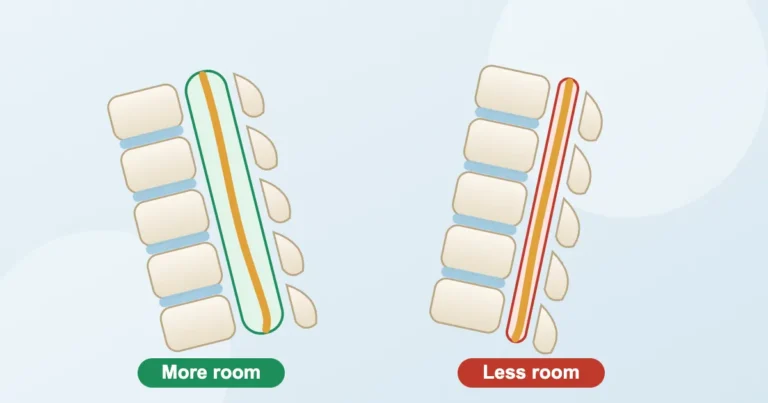

Our Plainview office has moved
Find us at our new location:
520 Old Country Rd
Plainview, NY 11803
Same doctors, same phone numbers.
Most Major Plans,
No-Fault & Personal Injury.
We accept most major insurance plans across our New York and New Jersey offices. Select your state to see accepted plans.
Accepted at our New York Locations
Workers' Compensation
No-Fault (NY & NJ)
Lien Cases
Medicare
Empire BCBS
BCBS / Anthem
Cigna
Aetna
Empire NYSHIP
Oxford (PPO)
United Health Care
GHI / Emblem Health
Humana (PPO)
Magnacare (PPO)
Northwell Direct
1199 SEIU
Self Pay
Accepted at our New Jersey Locations
No-Fault (NJ)
Lien Cases
Horizon BCBS
Empire NYSHIP
BCBS / Anthem (PPO)
Cigna
Aetna (PPO)
GHI / Emblem (PPO)
Port Authority UHC
Verizon Plan
Carpenter & Trade Unions
Self Pay
Medicare, Medicaid and Workers' Compensation are not accepted at our New Jersey locations. Not sure about your plan? Call us and we'll verify before your visit.
Not sure about your plan?
Call Us — 516-229-1443
Verify Your Coverage for FREE
Enter your information and our team will confirm your benefits before your visit.
✓ HIPAA Compliant
✓ No Obligation
✓ Same-Day Response
Your information is encrypted and secure. By submitting, you consent to receive communications regarding your appointment. You may opt out at any time.
Meet Our Pain Management & Orthopedic Specialists
Board-certified physicians dedicated to accurate diagnosis and minimally invasive care.

Pain Management
John Akhnoukh, M.D.
Board Certified Anesthesiologist & Interventional Pain Management Physician
Visit Profile



Pain Management
James Yu, D.O.
Board Certified Anesthesiologist & Interventional Pain Management Physician
Visit Profile

Pain Management
Benjamin Souferi, D.O.
Fellowship-Trained Interventional Pain Medicine Physician (Cleveland Clinic)
Visit ProfilePain Conditions Affecting Daily Life
Improve your quality of life with our comprehensive approach to pain management
We are dedicated to finding individualized treatment options tailored to fit your needs. Our team is dedicated to helping you lead a productive and active life, free from pain and disruption.
Our Locations
Pain management and orthopedic care across New York and New Jersey.