PRP for Knee Osteoarthritis: Does It Work?
If knee osteoarthritis is making it hard to walk, climb stairs, or sleep, you may have heard about PRP — platelet-rich plasma. It’s a regenerative injection made from your own blood, and it’s become one of the most talked-about non-surgical options for arthritic knees. But does it actually work? At Empire Minimally Invasive Spine and Pain, our physicians offer PRP as part of a step-up plan for knee osteoarthritis across our New York and New Jersey offices. Here’s an honest look at what PRP can and can’t do for an arthritic knee.
The short answer
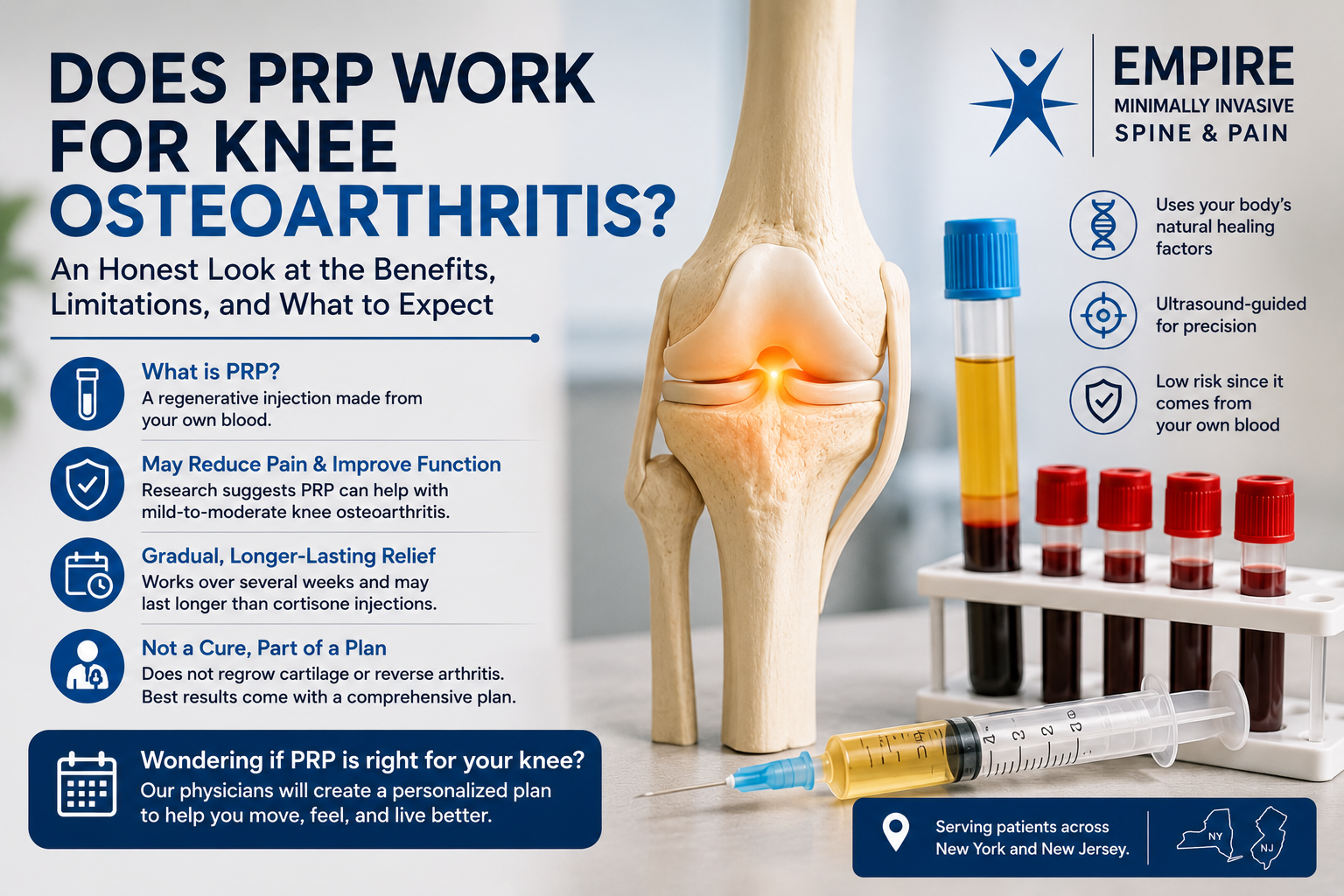
For mild-to-moderate knee osteoarthritis, research suggests PRP may reduce pain and improve function for some patients, and in several studies its benefits lasted longer than a cortisone shot. Results vary from person to person, and PRP does not regrow lost cartilage or reverse advanced arthritis. It works best as one part of a broader plan.
What PRP is
Platelet-rich plasma is made from a small sample of your own blood. We spin it in a centrifuge to concentrate the platelets — the cells that release growth factors your body uses for healing. That concentrated plasma is then injected into the knee joint, usually with ultrasound guidance for accuracy. Because PRP comes from your own body, the risk of an allergic reaction is very low. You can read more about the full process on our PRP therapy page.
How PRP is thought to help an arthritic knee
Osteoarthritis isn’t only “wear and tear.” It also involves low-grade inflammation inside the joint that keeps the knee irritated and painful. The growth factors in PRP are believed to calm that inflammation and improve the joint environment. Rather than just numbing the pain the way some injections do, the goal of PRP is to change the biology inside the knee so it feels and functions better. Learn more about the condition itself on our knee osteoarthritis guide.
What the research actually shows
This is where honesty matters. Multiple randomized trials and reviews suggest that, for mild-to-moderate knee osteoarthritis, PRP can reduce pain and improve function — and several studies found its benefit lasted longer than hyaluronic acid (“gel”) injections or cortisone. That’s encouraging.
At the same time, the evidence is still mixed. PRP preparations are not standardized — the concentration and content differ from clinic to clinic and study to study — which makes results harder to compare. Some large trials have shown little difference from a placebo injection. Major medical organizations describe the evidence as promising but still evolving, and they have not universally endorsed PRP for knee OA. The reasonable takeaway: PRP helps some patients meaningfully, it is low-risk, but it is not a guaranteed fix and it is not a substitute for a full treatment plan.
Who tends to be a good candidate
- Mild-to-moderate knee osteoarthritis (rather than bone-on-bone, end-stage arthritis)
- Knee pain that hasn’t responded well to activity changes, physical therapy, or anti-inflammatory measures
- Patients who want to delay or avoid knee replacement and are willing to try a regenerative option
- People who prefer an injection made from their own blood over repeated steroid shots
Patients with severe, advanced arthritis often get less benefit from PRP. If that’s your situation, it’s worth reading whether a knee replacement is worth it so you can weigh your options honestly.
PRP compared with a cortisone shot
Both are injections, but they work differently. A cortisone (steroid) shot is a strong anti-inflammatory that often brings fast relief — but the relief can fade in weeks to a few months, and repeated steroid injections may not be ideal for the joint over time. PRP tends to work more gradually, over several weeks, but its benefit may last longer for the right candidate. Neither one reverses arthritis. Many patients ask which is better for them; the honest answer depends on your goals, your arthritis stage, and how you’ve responded to injections before.
What to expect from the procedure
PRP is an in-office procedure. We draw a small amount of your blood, prepare the plasma, and inject it into the knee, often using ultrasound guidance. The visit usually takes under an hour. Some patients feel soreness or fullness in the knee for a few days as the healing response begins — that’s expected. Because PRP relies on your body’s own repair process, improvement is gradual, and some patients need a short series of injections. Your physician will give you specific aftercare guidance based on your knee.
Wondering if PRP is right for your knee?
Our physicians will examine your knee, review your imaging, and give you a straight answer about whether PRP fits your arthritis — and what else might help. Offices across Long Island, Westchester, and New Jersey.
Request an appointment Serving patients across New York and New Jersey.Frequently asked questions
Does PRP work for knee osteoarthritis?
For mild-to-moderate knee osteoarthritis, research suggests PRP can reduce pain and improve function for some patients, and its benefit may last longer than cortisone or gel injections. Results vary, and the evidence is still evolving. PRP tends to help less in advanced, bone-on-bone arthritis.
Does PRP regrow cartilage or cure arthritis?
No. PRP does not regrow lost cartilage or reverse osteoarthritis. Its goal is to calm inflammation and improve the joint environment so the knee feels and functions better. It’s a management tool, not a cure.
How long does PRP take to work?
PRP works gradually. Many patients begin to notice changes over several weeks as the healing response develops, rather than the fast relief a steroid shot can provide. Some patients need a short series of injections.
Is PRP covered by insurance?
PRP is often considered elective and may not be covered by insurance. Our team will explain the cost and your options before you decide. Call the office nearest you to ask about pricing and scheduling.
Is PRP safe?
Because PRP is made from your own blood, the risk of allergic reaction is very low. The most common side effects are temporary soreness or swelling at the injection site. Your physician will review any risks specific to you.
What Our Patients Say

Dr. Jeffrey Guttman
Articles: 15
Our Plainview office has moved
Find us at our new location:
520 Old Country Rd
Plainview, NY 11803
Same doctors, same phone numbers.
Most Major Plans,
No-Fault & Personal Injury.
We accept most major insurance plans across our New York and New Jersey offices. Select your state to see accepted plans.
Accepted at our New York Locations
Workers' Compensation
No-Fault (NY & NJ)
Lien Cases
Medicare
Empire BCBS
BCBS / Anthem
Cigna
Aetna
Empire NYSHIP
Oxford (PPO)
United Health Care
GHI / Emblem Health
Humana (PPO)
Magnacare (PPO)
Northwell Direct
1199 SEIU
Self Pay
Accepted at our New Jersey Locations
No-Fault (NJ)
Lien Cases
Horizon BCBS
Empire NYSHIP
BCBS / Anthem (PPO)
Cigna
Aetna (PPO)
GHI / Emblem (PPO)
Port Authority UHC
Verizon Plan
Carpenter & Trade Unions
Self Pay
Medicare, Medicaid and Workers' Compensation are not accepted at our New Jersey locations. Not sure about your plan? Call us and we'll verify before your visit.
Not sure about your plan?
Call Us — 516-229-1443
Verify Your Coverage for FREE
Enter your information and our team will confirm your benefits before your visit.
✓ HIPAA Compliant
✓ No Obligation
✓ Same-Day Response
Your information is encrypted and secure. By submitting, you consent to receive communications regarding your appointment. You may opt out at any time.
Meet Our Pain Management & Orthopedic Specialists
Board-certified physicians dedicated to accurate diagnosis and minimally invasive care.
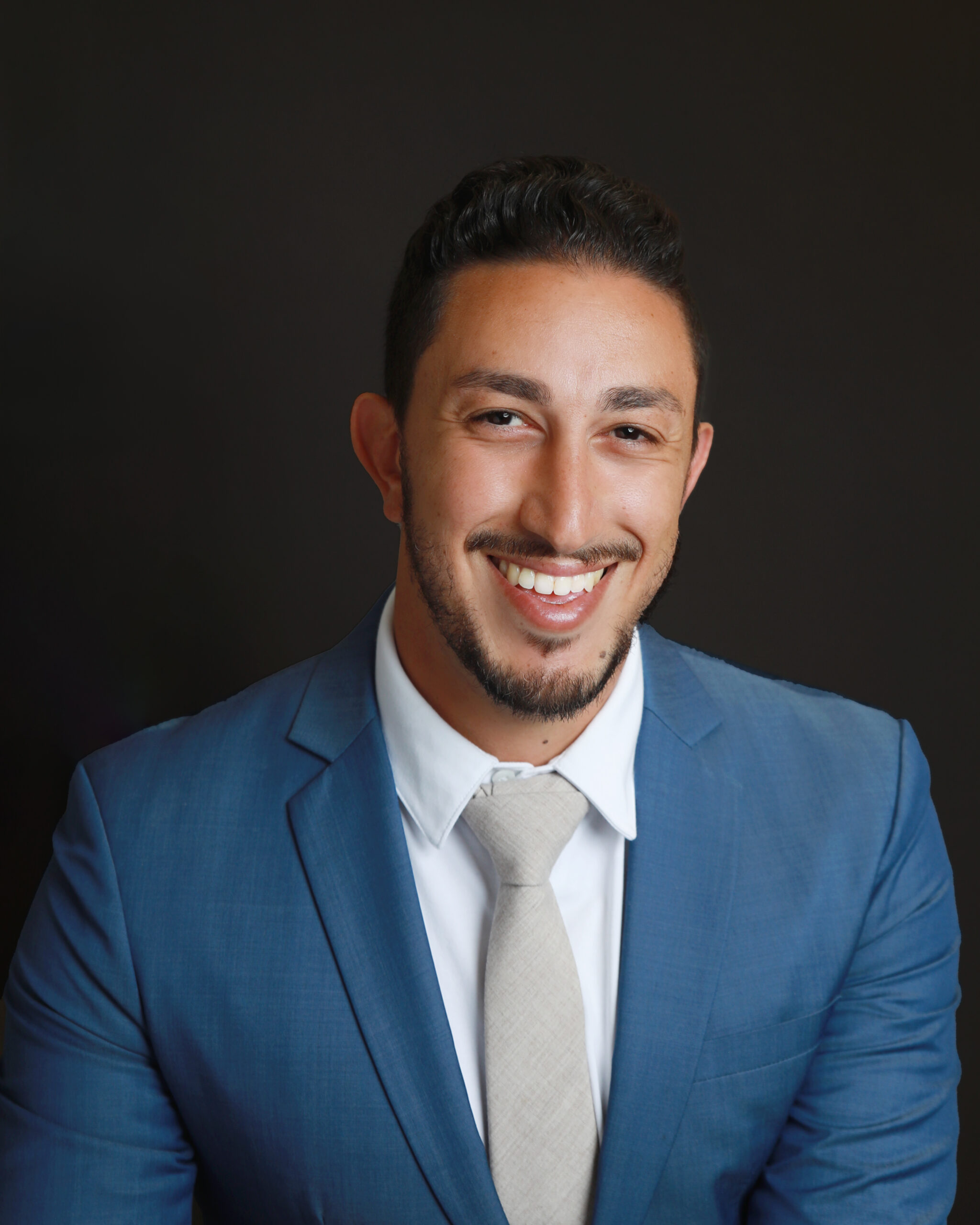
Pain Management
John Akhnoukh, M.D.
Board Certified Anesthesiologist & Interventional Pain Management Physician
Visit Profile

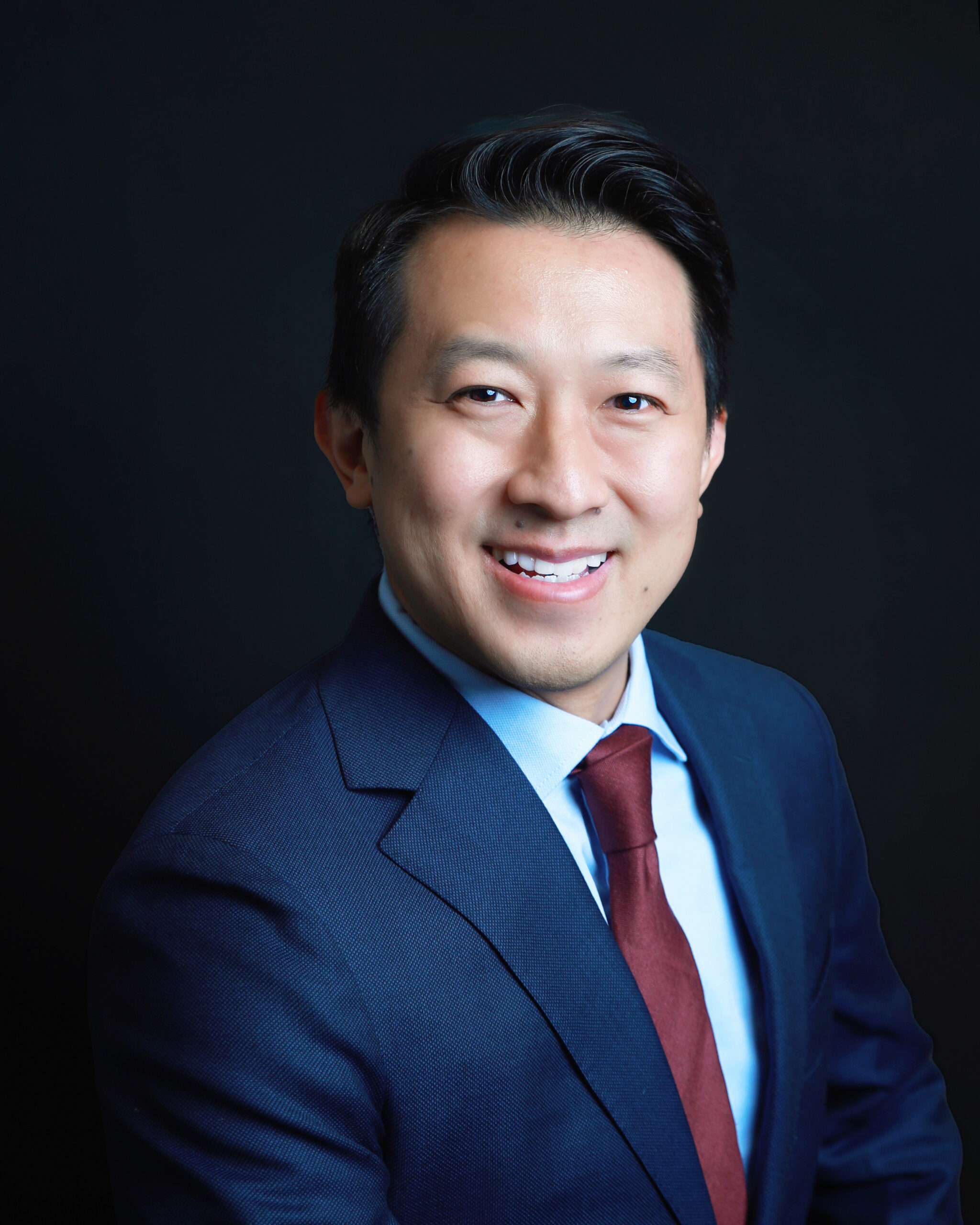
Pain Management
James Yu, D.O.
Board Certified Anesthesiologist & Interventional Pain Management Physician
Visit Profile
Pain Management
Benjamin Souferi, D.O.
Fellowship-Trained Interventional Pain Medicine Physician (Cleveland Clinic)
Visit ProfilePain Conditions Affecting Daily Life
Improve your quality of life with our comprehensive approach to pain management
We are dedicated to finding individualized treatment options tailored to fit your needs. Our team is dedicated to helping you lead a productive and active life, free from pain and disruption.
Our Locations
Pain management and orthopedic care across New York and New Jersey.