Herniated Disc Treatment in New Jersey
A herniated disc is one of the most common causes of sharp back and leg pain — and one of the most treatable. At Empire Minimally Invasive Spine and Pain, our board-certified physicians treat herniated discs for northern New Jersey patients from our Clifton office, using targeted, minimally invasive care aimed at the nerve that’s actually causing your pain. Most people get better without surgery.
How is a herniated disc treated?
Most herniated discs are treated without surgery. Care usually starts with activity changes and physical therapy, then an image-guided epidural steroid injection or selective nerve root block if leg pain persists. Surgery, such as an endoscopic discectomy, is considered when pain or weakness doesn’t improve after about six weeks or worsens.
Herniated disc care at our Clifton, NJ office
- Interventional pain physicians Dr. John Akhnoukh and Dr. Monika Misak
- Image-guided injections and minimally invasive procedures — not surgery-first
- Same-week evaluations usually available; PPO/POS and auto (PIP) plans accepted
- Serving Clifton, Passaic, Montclair, Nutley, Garfield, Woodland Park, and nearby towns
What is a herniated disc?
The discs between your vertebrae have a tough outer ring and a soft center. A herniated disc happens when some of that soft center pushes through the outer ring and presses on a nearby nerve. In the lower back, that pressure often causes sciatica — pain, numbness, or weakness that travels down the leg. It’s worth knowing a herniated disc is not the same as a bulging disc; our guide on herniated vs. bulging discs explains the difference.
Symptoms of a herniated disc
- Sharp or burning pain that radiates into the buttock, leg, or foot (or arm, with a neck disc)
- Numbness or tingling along the path of the affected nerve
- Weakness in the leg or foot
- Pain that worsens with sitting, bending, coughing, or sneezing
How we treat a herniated disc in New Jersey
Most herniated discs improve as the inflammation settles, so care begins with the least invasive options:
- Activity guidance and physical therapy to calm the nerve and rebuild support
- Epidural steroid injections to reduce inflammation around the compressed nerve root
- Anti-inflammatory medication and short-term activity changes during a flare
- Endoscopic discectomy or microdiscectomy for the small number of cases that need surgery — our guide compares endoscopic discectomy vs. microdiscectomy
If a disc isn’t settling as expected, our guide on signs a herniated disc isn’t healing covers what to watch for.
The herniated disc treatment ladder
We move up one step at a time and only when the step before it hasn’t given you enough relief. Many people stop at step one or two.
- 1
Activity changes, physical therapy and short-term pain relief
Who it’s for: Almost everyone, at the start. Herniated discs often heal on their own within four to six weeks, and Cleveland Clinic notes about 9 out of 10 people get better on their own or with non-surgical care. Gentle movement and a guided therapy program usually beat bed rest.
- 2
Epidural steroid injection
Who it’s for: People whose leg (or arm) pain is still strong after a few weeks of basic care, or whose pain keeps them from therapy, work or sleep. Published guidance suggests patients who haven’t improved after a short course of conservative care (about 3–4 weeks) can be considered for an injection. At our Clifton office, injections are done under image guidance by our interventional pain physicians. Read are epidural steroid injections worth it?
- 3
Selective nerve root block
Who it’s for: People whose MRI shows more than one possible problem level, or whose pain pattern doesn’t clearly match the scan. Numbing one specific nerve root can ease pain and help confirm which nerve is the true source, which guides any next step. Learn more in our nerve block guide.
- 4
Endoscopic discectomy or a surgical consultation
Who it’s for: People whose pain or weakness hasn’t improved after about six weeks of good non-surgical care, or whose weakness is getting worse, as Mayo Clinic describes. Our New Jersey team does not perform spine surgery at the Clifton office. If surgery may help you, we refer you for a spine surgery consultation and send your imaging and records so you don’t start over.
If your disc is pressing on the sciatic nerve, our page on sciatica treatment in New Jersey covers that pain pattern in more detail.
Who is a candidate for an injection vs. surgery?
An injection may fit if
- Your main problem is pain running down a leg or arm
- An exam (and often an MRI) points to a disc pressing on a nerve
- A few weeks of therapy and activity changes haven’t been enough
- You have no fast-worsening weakness
A surgical consultation may fit if
- Pain is still severe after about six weeks of non-surgical care, including injections
- Leg or foot weakness is getting worse
- Your MRI matches your symptoms at one clear level
- Pain stops you from walking, standing or working
At your visit, Dr. John Akhnoukh or Dr. Monika Misak will review your exam and imaging and tell you plainly which step makes sense for you.
What it costs and what NJ insurance covers
Your cost depends on your plan, your deductible and coinsurance, whether you use in- or out-of-network benefits, and which treatment you need. Because those details differ for every patient, we don’t post prices online. Instead, our team checks your benefits before your visit so you know what to expect.
- PPO and POS plans: accepted at our Clifton office, both in-network and out-of-network.
- Car accident (PIP) claims: if your herniated disc followed an auto accident, your personal injury protection coverage may pay for care, depending on your policy. We help with the paperwork these claims need.
- Injections and surgery often need prior approval from your plan, so we confirm coverage before scheduling.
For more detail on injection costs, see our epidural injection cost and coverage guide, or call 732-630-7246 and we’ll check your plan.
When to see a doctor now
Go to the emergency room or call 911 if back or leg pain comes with any of these:
- New trouble controlling your bladder or bowels, or being unable to pee
- Numbness in the groin, inner thighs or buttocks (the “saddle” area)
- Leg or foot weakness that is quickly getting worse, or a foot that drops
In rare cases a large disc can press on the nerves that control the bladder and bowel, which needs emergency care. For pain that is not improving after four to six weeks, or keeps coming back, book a regular visit with a specialist.
Why northern New Jersey patients choose Empire
Our Clifton office in Passaic County gives northern New Jersey patients access to advanced, minimally invasive spine care close to home — convenient for patients across Clifton, Passaic, Montclair, Nutley, Garfield, Woodland Park, and Bloomfield, plus our Plainfield and Montville, NJ locations. Our physicians pinpoint the exact disc and nerve involved and treat it directly, so you can avoid unnecessary surgery whenever possible. For a full spine evaluation, meet our spine specialists in Clifton. Same-week evaluations are usually available, and we’ll verify your insurance before your visit.
Radiating pain from a herniated disc?
Empire Minimally Invasive Spine and Pain can confirm whether a herniated disc is the cause and build a targeted plan — starting with the least invasive option. Serving Clifton and all of northern New Jersey.
Request an appointment Or call our New Jersey office at 732-630-7246.Frequently asked questions
Can a herniated disc heal without surgery?
Often, yes. Many herniated discs improve over weeks to a few months as the inflammation settles, helped by activity guidance, physical therapy, and image-guided injections. Surgery is reserved for cases with severe or persistent nerve compression.
How soon can I be seen for a herniated disc in New Jersey?
Same-week evaluations are usually available at our Clifton office. Call 732-630-7246 to schedule with our spine and pain team.
Which areas do you serve from the Clifton office?
We care for patients across northern New Jersey, including Clifton, Passaic, Montclair, Nutley, Garfield, Woodland Park, and Bloomfield, plus our Plainfield and Montville, NJ locations.
Do you treat herniated discs for Bergen County patients?
Yes. Our Clifton office is a short drive from Bergen County towns such as Hackensack, Lodi and Fair Lawn. Call 732-630-7246 to book.
Do you have herniated disc doctors in Morris or Union County?
Yes. Our Montville office serves Morris County, and our Plainfield office serves Union County and nearby Somerset and Middlesex towns. Call 732-630-7246 to book.
Do you treat herniated discs from car accidents or other personal injuries?
Yes. We treat herniated discs from car accidents and other personal injury cases, including No-Fault (PIP) claims, and can help coordinate the documentation those claims require. Our New Jersey offices don’t currently accept workers’ compensation; our New York offices do.
When should a herniated disc be treated urgently?
Seek prompt care for new or worsening leg weakness, a foot that drops, numbness in the groin or saddle area, or loss of bladder or bowel control. These need urgent evaluation.
Is an epidural steroid injection or surgery better for a herniated disc?
For most people, an injection comes first. It is less invasive and can calm the nerve enough to let you get through physical therapy while the disc heals. Surgery is usually considered only when pain or weakness has not improved after about six weeks of non-surgical care, or when weakness is getting worse.
What is a selective nerve root block?
It is an image-guided injection that places numbing medicine, often with a steroid, next to one specific spinal nerve root. It can ease pain and also help confirm which nerve is causing your symptoms, which is useful when an MRI shows more than one possible problem.
Do you perform herniated disc surgery at the Clifton office?
No. Our Clifton team focuses on non-surgical and image-guided care, such as epidural steroid injections and nerve root blocks. If your symptoms point toward surgery, we refer you for a spine surgery consultation and share your imaging and records.
Does PPO insurance cover herniated disc treatment in New Jersey?
Most PPO and POS plans cover medically necessary herniated disc care, but your share of the cost depends on your deductible, coinsurance and network status. Our Clifton office accepts PPO and POS plans in- and out-of-network and checks your benefits before your visit. Call 732-630-7246.
Do I need an MRI before herniated disc treatment?
Not always. Many people start care based on a physical exam. An MRI is usually ordered when symptoms last more than several weeks, when an injection or surgery is being planned, or when there are warning signs. If you already have an MRI, bring the report and images to your visit.
Does walking help herniated disc pain?
Usually, yes. Gentle walking and staying lightly active tend to help more than long bed rest. Short rest for a day or two can help during a bad flare, but stop any activity that sends pain further down your leg and ask your physician or therapist what is safe for you.
Herniated Disc: Questions Patients Ask Us
Do herniated discs heal on their own?
Often, yes. The body gradually reabsorbs the herniated disc material, and research shows a large share of herniated discs shrink over weeks to months without surgery. Most people improve with time, staying active, physical therapy, and targeted injections when needed. Surgery is only considered when leg pain, weakness, or numbness is severe or isn’t improving.
Do I need surgery for a herniated disc?
Usually not. The large majority of herniated discs improve without an operation. Surgery is considered when you have progressive weakness, loss of bladder or bowel control (a medical emergency), or leg pain that hasn’t responded to several weeks of non-surgical care. A specialist can review your MRI and symptoms and tell you honestly where you stand.
Is surgery for a herniated disc worth it?
For the right patient, yes. When leg pain is severe and hasn’t eased with conservative care, a minimally invasive procedure like an endoscopic discectomy can relieve nerve pain quickly and predictably. It’s not worth rushing into if your pain is already improving on its own. The honest answer depends on your MRI, your symptoms, and how long you’ve waited.
Can you live with a herniated disc without surgery?
Many people do. Once the inflamed disc calms down, symptoms often fade even though the disc still shows on an MRI. Physical therapy, activity changes, anti-inflammatory care, and epidural or nerve-targeted injections control symptoms for most patients without an operation.
How long is recovery after a microdiscectomy?
Most patients walk the same day and go home within 24 hours. Light activity typically resumes in one to two weeks, desk work often within two to four weeks, and heavier activity after about six weeks as your surgeon clears you. Recovery varies by person, and your care team gives you a week-by-week plan to follow.
Is a microdiscectomy worth it?
For patients with a confirmed herniated disc and leg pain that hasn’t eased with non-surgical care, a microdiscectomy has a high success rate for relieving that leg pain and is one of the more predictable spine procedures. It helps leg pain more than back pain alone. A surgeon can tell you whether you’re a good candidate.
Still have a question about your herniated disc? Call Empire Minimally Invasive Spine and Pain in Clifton, NJ to speak with a specialist — 732-630-7246.
Helpful reading: Microdiscectomy recovery: week-by-week timeline
What Our Patients Say
Our Plainview office has moved
Find us at our new location:
520 Old Country Rd
Plainview, NY 11803
Same doctors, same phone numbers.
Most Major Plans,
No-Fault & Personal Injury.
We accept most major insurance plans across our New York and New Jersey offices. Select your state to see accepted plans.
Accepted at our New York Locations
Workers' Compensation
No-Fault (NY & NJ)
Lien Cases
Medicare
Empire BCBS
BCBS / Anthem
Cigna
Aetna
Empire NYSHIP
Oxford (PPO)
United Health Care
GHI / Emblem Health
Humana (PPO)
Magnacare (PPO)
Northwell Direct
1199 SEIU
Self Pay
Accepted at our New Jersey Locations
No-Fault (NJ)
Lien Cases
Horizon BCBS
Empire NYSHIP
BCBS / Anthem (PPO)
Cigna
Aetna (PPO)
GHI / Emblem (PPO)
Port Authority UHC
Verizon Plan
Carpenter & Trade Unions
Self Pay
Medicare, Medicaid and Workers' Compensation are not accepted at our New Jersey locations. Not sure about your plan? Call us and we'll verify before your visit.
Not sure about your plan?
Call Us — 516-229-1443
Verify Your Coverage for FREE
Enter your information and our team will confirm your benefits before your visit.
✓ HIPAA Compliant
✓ No Obligation
✓ Same-Day Response
Your information is encrypted and secure. By submitting, you consent to receive communications regarding your appointment. You may opt out at any time.
Meet Our Pain Management & Orthopedic Specialists
Board-certified physicians dedicated to accurate diagnosis and minimally invasive care.

Pain Management
John Akhnoukh, M.D.
Board Certified Anesthesiologist & Interventional Pain Management Physician
Visit Profile



Pain Management
James Yu, D.O.
Board Certified Anesthesiologist & Interventional Pain Management Physician
Visit Profile
Pain Management
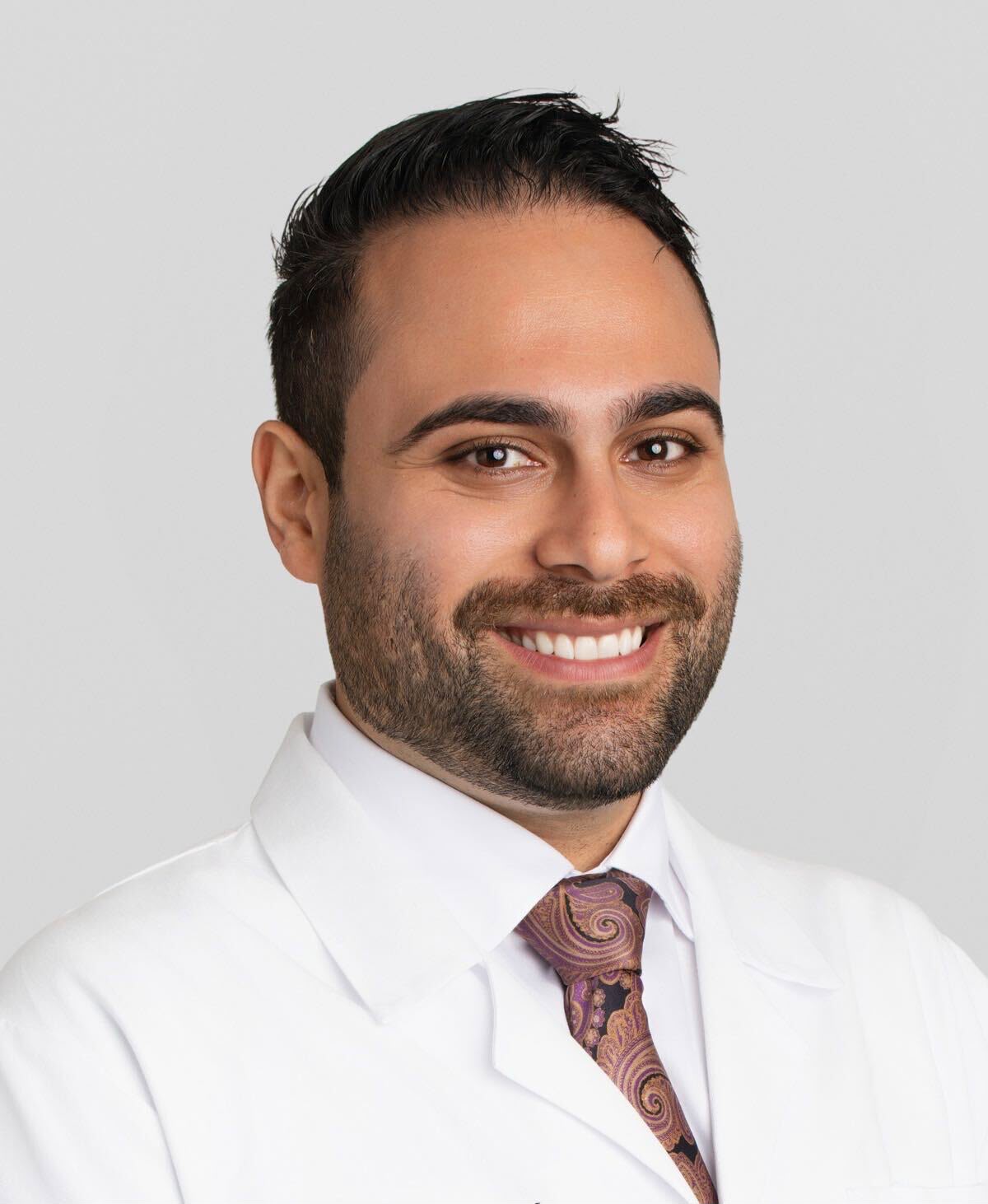
Benjamin Souferi, D.O.
Fellowship-Trained Interventional Pain Medicine Physician (Cleveland Clinic)
Visit ProfilePain Conditions Affecting Daily Life
Improve your quality of life with our comprehensive approach to pain management
We are dedicated to finding individualized treatment options tailored to fit your needs. Our team is dedicated to helping you lead a productive and active life, free from pain and disruption.
Our Locations
Pain management and orthopedic care across New York and New Jersey.