Laminectomy Recovery: What to Expect Week by Week
In this article
If a laminectomy is on your calendar, the first question is usually the same: how long until I feel like myself again? The reassuring answer is that most people recover well, and with a minimally invasive approach many are back to light daily life within a few weeks. This guide walks through what recovery actually looks like, week by week, and how to give yourself the best result.
Key takeaways
- A laminectomy relieves pressure on spinal nerves — leg pain often eases quickly.
- Many people go home the same day or after one to two nights.
- Most driving returns within a week or two; a minimally invasive recovery is often 4–6 weeks.
- Early on, avoid bending, lifting, and twisting — the “BLTs.”
- Physical therapy and gentle walking are the engine of a good recovery.
What is a laminectomy?
A laminectomy is a decompression surgery that removes a small piece of bone at the back of a vertebra (the lamina) to take pressure off pinched spinal nerves. It’s most often done for spinal stenosis or a herniated disc that’s causing leg pain, numbness, or weakness. You can read the full procedure details on our lumbar laminectomy page. This article focuses on what comes after: recovery.
Recovery timeline week by week
The hospital stay
Many laminectomies are outpatient — you go home the same day. Some people stay one to two nights, and a longer stay is expected if the laminectomy is combined with a spinal fusion. You’ll be up and walking soon after surgery, which is encouraged.
The first two weeks
This is the rest-and-heal window. You’ll walk a little more each day, keep the incision clean and dry, and manage soreness with the plan your surgeon gives you. Many people are cleared to drive within the first week or two once they’re off stronger pain medicine and can move comfortably.
Weeks four to six
For a minimally invasive laminectomy, this is often when full recovery lands. Everyday activities feel more normal, and your team may progress your exercises. Cleveland Clinic notes that “full recovery is expected in four to six weeks” after a minimally invasive laminectomy (Cleveland Clinic).
One to three months and beyond
Return to light, non-strenuous work usually happens over the first one to three months, depending on your job and how you’re healing. If your laminectomy was combined with a fusion, complete healing takes longer — often around six months.
Early restrictions: the “BLTs”
In the early weeks, the most important rule is to protect your healing spine by avoiding the “BLTs” — bending, lifting, and twisting. That means no heavy lifting, no bending at the waist, and no twisting your back. Your surgeon will tell you when it’s safe to add each activity back. Following these limits closely in the first weeks pays off in a smoother recovery.
The role of physical therapy
Physical therapy is one of the biggest drivers of a good outcome. A therapist teaches you how to move safely, protect your back, and gradually rebuild the core and back muscles that support your spine. Gentle walking from day one, then guided exercises as you heal, keep you progressing without overloading the surgical area.
What results to expect
Laminectomy is a reliable operation for relieving nerve pressure, and the leg symptoms — pain, numbness, tingling — often improve first. As Cleveland Clinic reports, “a laminectomy has a success rate of 90%,” with most people satisfied with their results (Cleveland Clinic). That said, no surgery is guaranteed, and some back soreness can linger or return over time, which is worth discussing with your surgeon beforehand.
Minimally invasive vs. open
A laminectomy can be done through a traditional open incision or with minimally invasive techniques that use smaller incisions and specialized tools. The minimally invasive approach generally means less tissue disruption, a shorter hospital stay, and a faster recovery. Which approach fits you depends on your anatomy and the problem being treated — a conversation to have with your surgeon.
When to call your surgeon
Most recoveries are smooth, but call your surgical team promptly if something seems off.
Contact your surgeon right away for:
- Fever, or increasing redness, swelling, or drainage from the incision
- New or worsening leg weakness or numbness
- Loss of bladder or bowel control
- Sudden, severe pain that isn’t controlled by your plan
Considering spine surgery, or planning your recovery?
Empire Minimally Invasive Spine and Pain offers minimally invasive decompression and a step-by-step recovery plan built around you. Serving Long Island and New Jersey.
Request a consultation Or call our New York office at 516-229-1443.Frequently asked questions
How long does it take to recover from a laminectomy?
After a minimally invasive laminectomy, full recovery is often about four to six weeks, though returning to heavier work can take one to three months. Recovery is longer — around six months — if the laminectomy is combined with a spinal fusion. Your surgeon will set your specific timeline.
When can I walk and drive after a laminectomy?
Walking is encouraged right away, starting with short distances the same day. Driving usually returns within the first week or two, once you’re off stronger pain medicine and can move and react comfortably. Always confirm with your surgeon first.
When can I go back to work after a laminectomy?
A desk or light-duty job is often possible within one to three months, sometimes sooner after a minimally invasive procedure. Physically demanding work takes longer. Your surgeon will base the timing on your healing and your job’s demands.
Is a laminectomy a major surgery?
It’s a real spine operation, but a minimally invasive laminectomy is often done as an outpatient procedure with a relatively quick recovery. How major it feels depends on the approach and whether it’s combined with a fusion, which adds to the recovery time.
Will my pain come back after a laminectomy?
Laminectomy relieves nerve pressure effectively for most people, with about a 90% success rate reported. Leg symptoms often improve first. Some back soreness can persist or return over the years, so it’s worth discussing long-term expectations with your surgeon.
This article is for general education and is not a substitute for medical advice. Talk with a qualified clinician about your specific symptoms.
What Our Patients Say

website@empiremisap.com
Articles: 6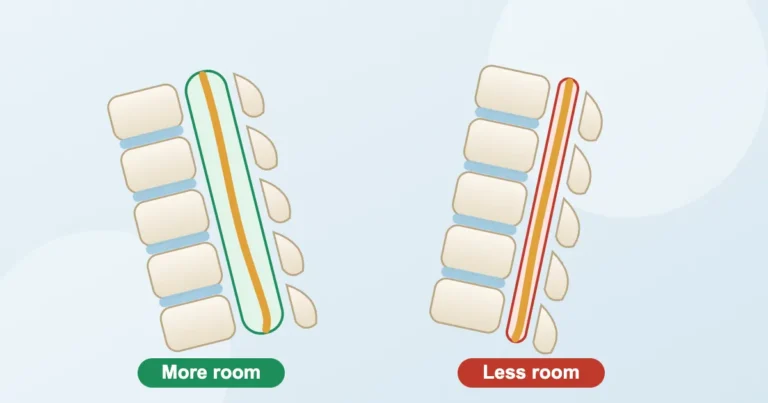

Our Plainview office has moved
Find us at our new location:
520 Old Country Rd
Plainview, NY 11803
Same doctors, same phone numbers.
Most Major Plans,
No-Fault & Personal Injury.
We accept most major insurance plans across our New York and New Jersey offices. Select your state to see accepted plans.
Accepted at our New York Locations
Workers' Compensation
No-Fault (NY & NJ)
Lien Cases
Medicare
Empire BCBS
BCBS / Anthem
Cigna
Aetna
Empire NYSHIP
Oxford (PPO)
United Health Care
GHI / Emblem Health
Humana (PPO)
Magnacare (PPO)
Northwell Direct
1199 SEIU
Self Pay
Accepted at our New Jersey Locations
No-Fault (NJ)
Lien Cases
Horizon BCBS
Empire NYSHIP
BCBS / Anthem (PPO)
Cigna
Aetna (PPO)
GHI / Emblem (PPO)
Port Authority UHC
Verizon Plan
Carpenter & Trade Unions
Self Pay
Medicare, Medicaid and Workers' Compensation are not accepted at our New Jersey locations. Not sure about your plan? Call us and we'll verify before your visit.
Not sure about your plan?
Call Us — 516-229-1443
Verify Your Coverage for FREE
Enter your information and our team will confirm your benefits before your visit.
✓ HIPAA Compliant
✓ No Obligation
✓ Same-Day Response
Your information is encrypted and secure. By submitting, you consent to receive communications regarding your appointment. You may opt out at any time.
Meet Our Pain Management & Orthopedic Specialists
Board-certified physicians dedicated to accurate diagnosis and minimally invasive care.

Pain Management
John Akhnoukh, M.D.
Board Certified Anesthesiologist & Interventional Pain Management Physician
Visit Profile


Pain Management
James Yu, D.O.
Board Certified Anesthesiologist & Interventional Pain Management Physician
Visit Profile
Pain Management
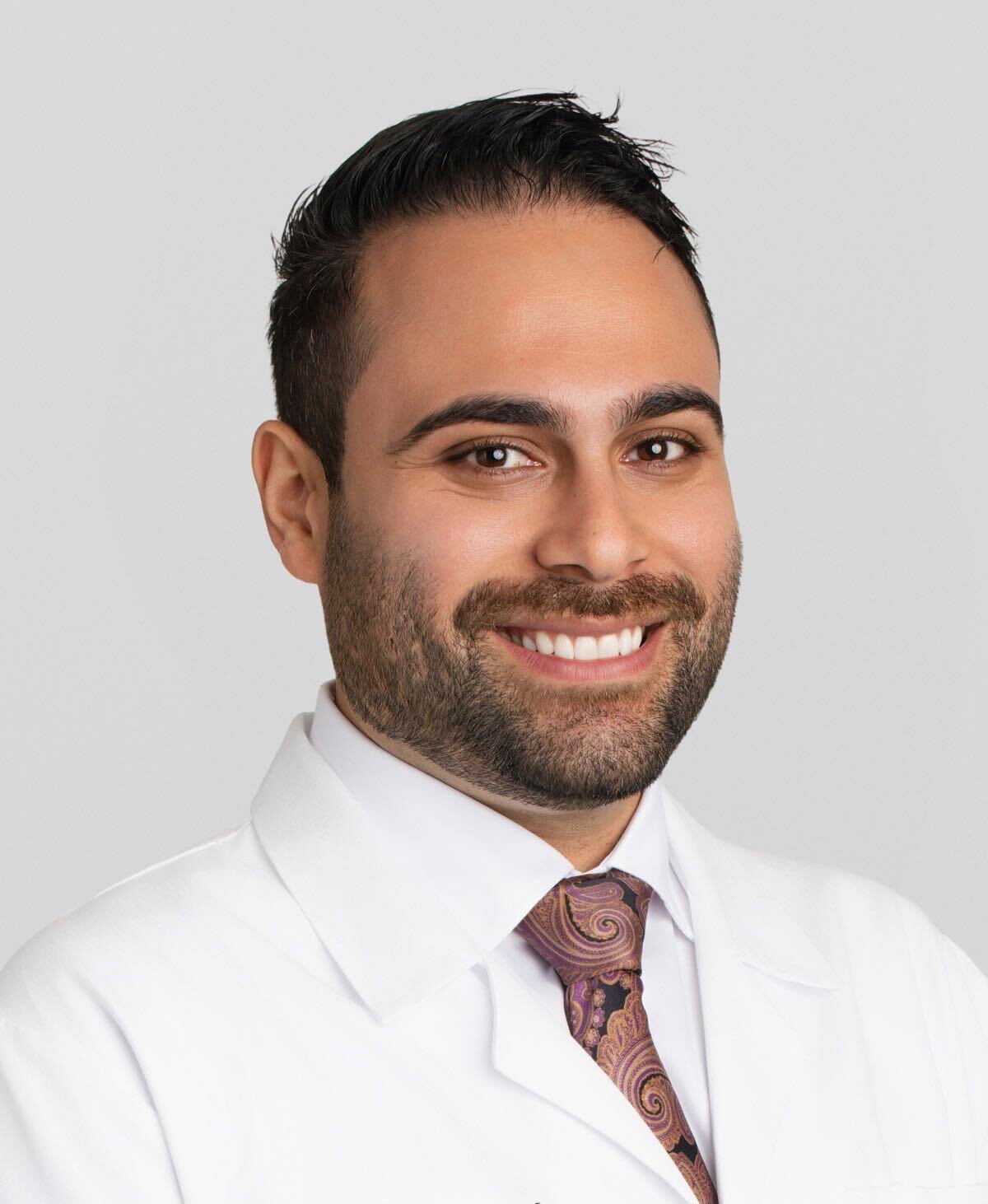
Benjamin Souferi, D.O.
Fellowship-Trained Interventional Pain Medicine Physician (Cleveland Clinic)
Visit ProfilePain Conditions Affecting Daily Life
Improve your quality of life with our comprehensive approach to pain management
We are dedicated to finding individualized treatment options tailored to fit your needs. Our team is dedicated to helping you lead a productive and active life, free from pain and disruption.
Our Locations
Pain management and orthopedic care across New York and New Jersey.