Which Doctor to Consult for Lower Back Pain? A Pain Management–Focused Treatment Guide
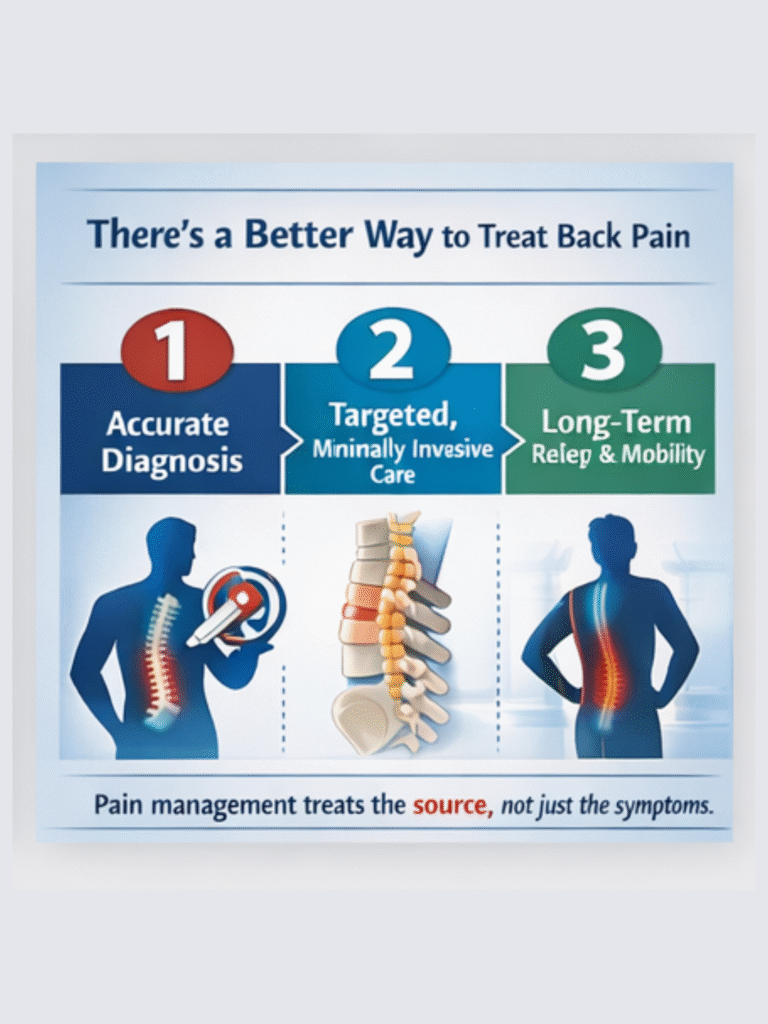
Pain management specialists play a critical role in diagnosing the source of lower back pain and delivering non-surgical, image-guided treatments designed to relieve nerve compression, reduce inflammation, and restore spinal stability.
Lower back pain is one of the most common reasons people look into for medical care, yet many patients are unsure which doctor is best equipped to treat it. Some start with primary care, others see orthopedists or neurologists, and many wait too long hoping the pain will resolve on its own. The truth is that lower back pain is rarely “just muscular” when it becomes persistent, and early, targeted treatment can prevent long-term disability.
Why Seeing the Right Doctor for Lower Back Pain Matters?
Lower back pain can originate from discs, joints, nerves, muscles, or spinal instability. Treating symptoms without identifying the pain generator often leads to delayed recovery, unnecessary imaging, or even avoidable surgery.
A pain management physician focuses on:
- Pinpointing the exact source of pain
- Offering conservative and minimally invasive solutions
- Helping patients avoid surgery whenever possible
- Managing both acute and chronic back pain
For many patients, especially those with pain lasting longer than a few weeks, consulting a pain management specialist early leads to better outcomes.
Back Pain Treatments We Provide Across New York
Back pain treatments focus on relieving spinal compression, calming irritated nerves, and restoring functional stability. Care is individualized and may include injections, regenerative therapies, or minimally invasive spine procedures to address both acute and chronic lower back pain. For patients struggling with conditions such as disc herniation, spinal stenosis, sciatica, or degenerative disc disease, these targeted treatments can significantly reduce pain and improve quality of life Call us today to make an appointment with Empire Pain Management, Minimally Invasive Spine & Orthopedic Specialists proudly serving patients across New York and New Jersey, including communities such as Plainview, Ronkonkoma, New Hyde Park, and Plainfield.
Epidural Steroid Injections
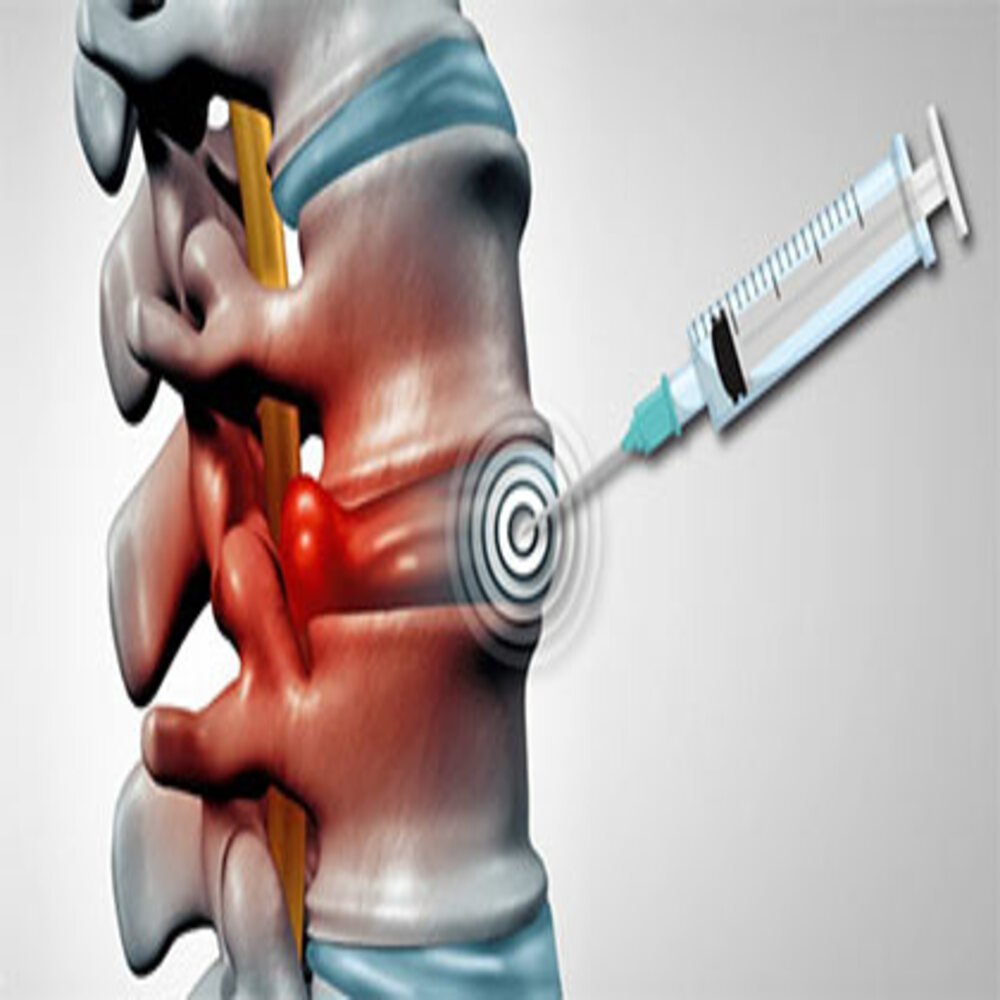
Epidural steroid injections are commonly used to treat lower back pain caused by nerve compression, disc herniation, or spinal stenosis. Medication is delivered directly around the irritated nerve roots to reduce inflammation and relieve pain.
These injections are often recommended when pain radiates into the legs or does not respond to rest, physical therapy, or medications.
Radiofrequency Ablation
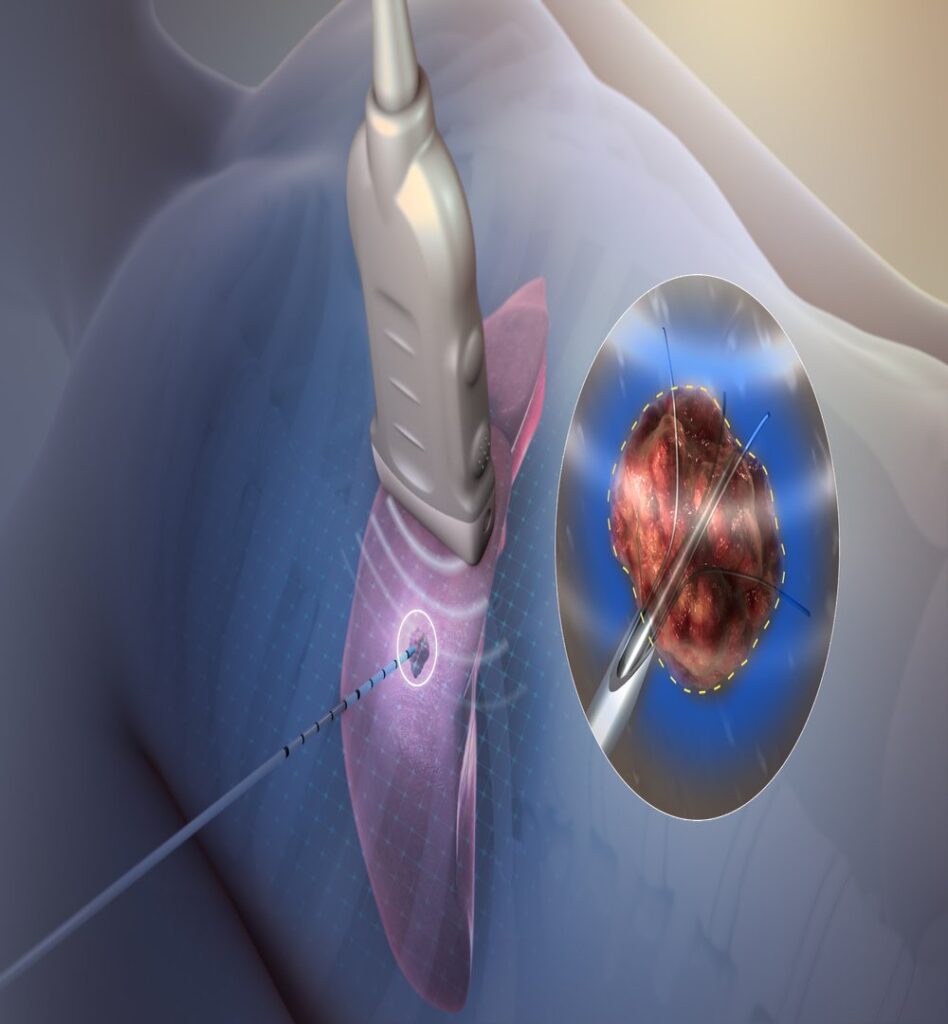
Radiofrequency ablation (RFA) provides longer-lasting relief for patients with chronic facet joint–related back pain. This procedure works by interrupting pain signals transmitted by small spinal nerves.
RFA is especially beneficial for patients who experience relief from diagnostic nerve blocks but want a longer-term solution without surgery.You can explore this treatment in more detail here: Radiofrequency Ablation.
Basivertebral Nerve Ablation
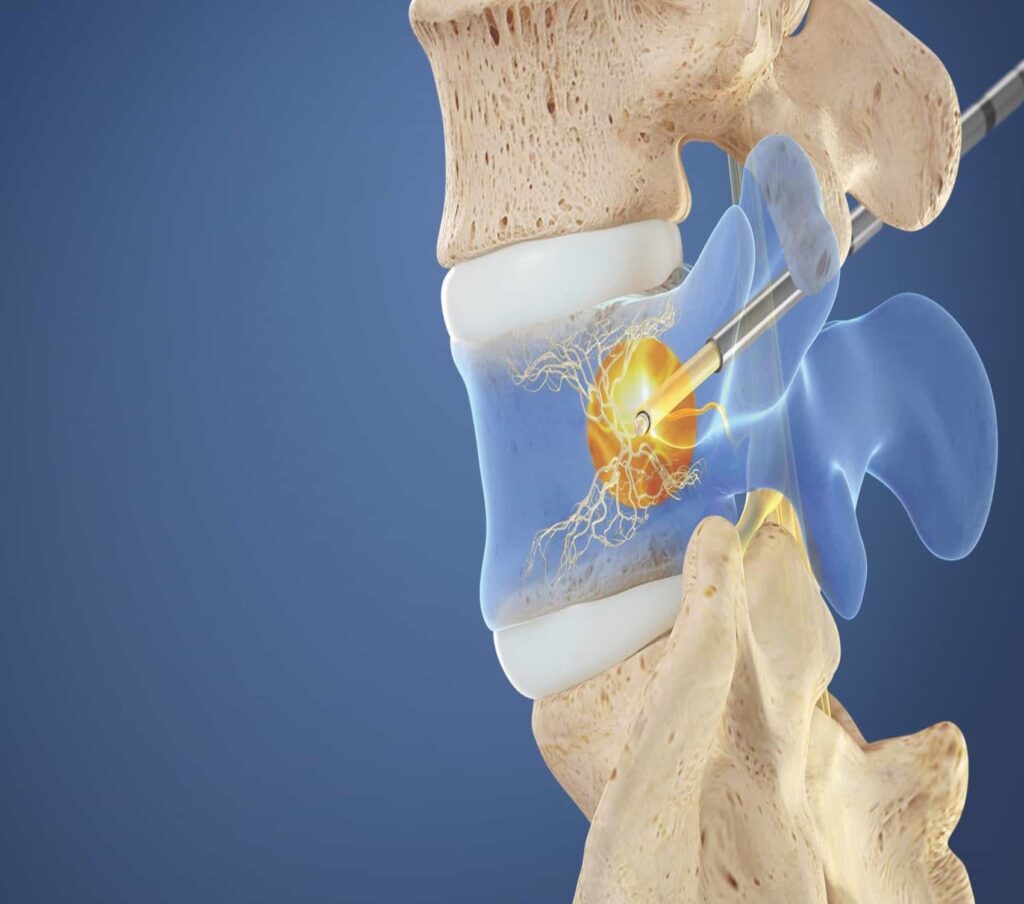
For patients with chronic low back pain caused by vertebral endplate changes, basivertebral nerve ablation targets pain at its source. This innovative treatment focuses on the nerve within the vertebral body responsible for transmitting pain signals.
It is often considered when disc-related pain persists despite conservative therapy.
Interspinous Spacer Implant
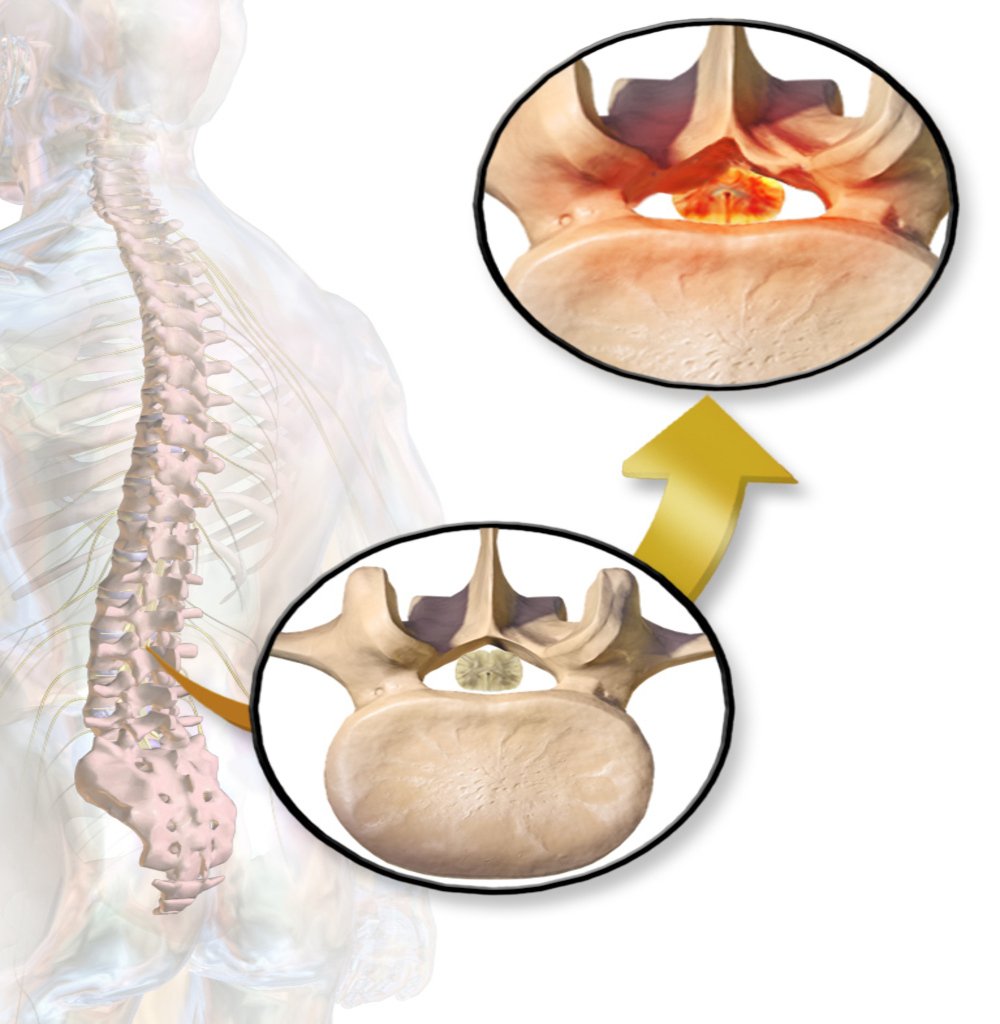
Interspinous spacer implants are designed for patients with lumbar spinal stenosis who experience pain or weakness while standing or walking. The device helps relieve pressure on spinal nerves while preserving motion and avoiding more invasive surgery. This option is especially valuable for patients seeking symptom relief without spinal fusion.
MILD Procedure (Minimally Invasive Lumbar Decompression)
The MILD procedure treats lumbar spinal stenosis by removing excess ligament tissue that compresses spinal nerves. It is performed through a small incision and does not involve implants. This procedure is often ideal for patients whose back and leg pain worsens with standing or walking and improves when sitting.
Endoscopic Discectomy
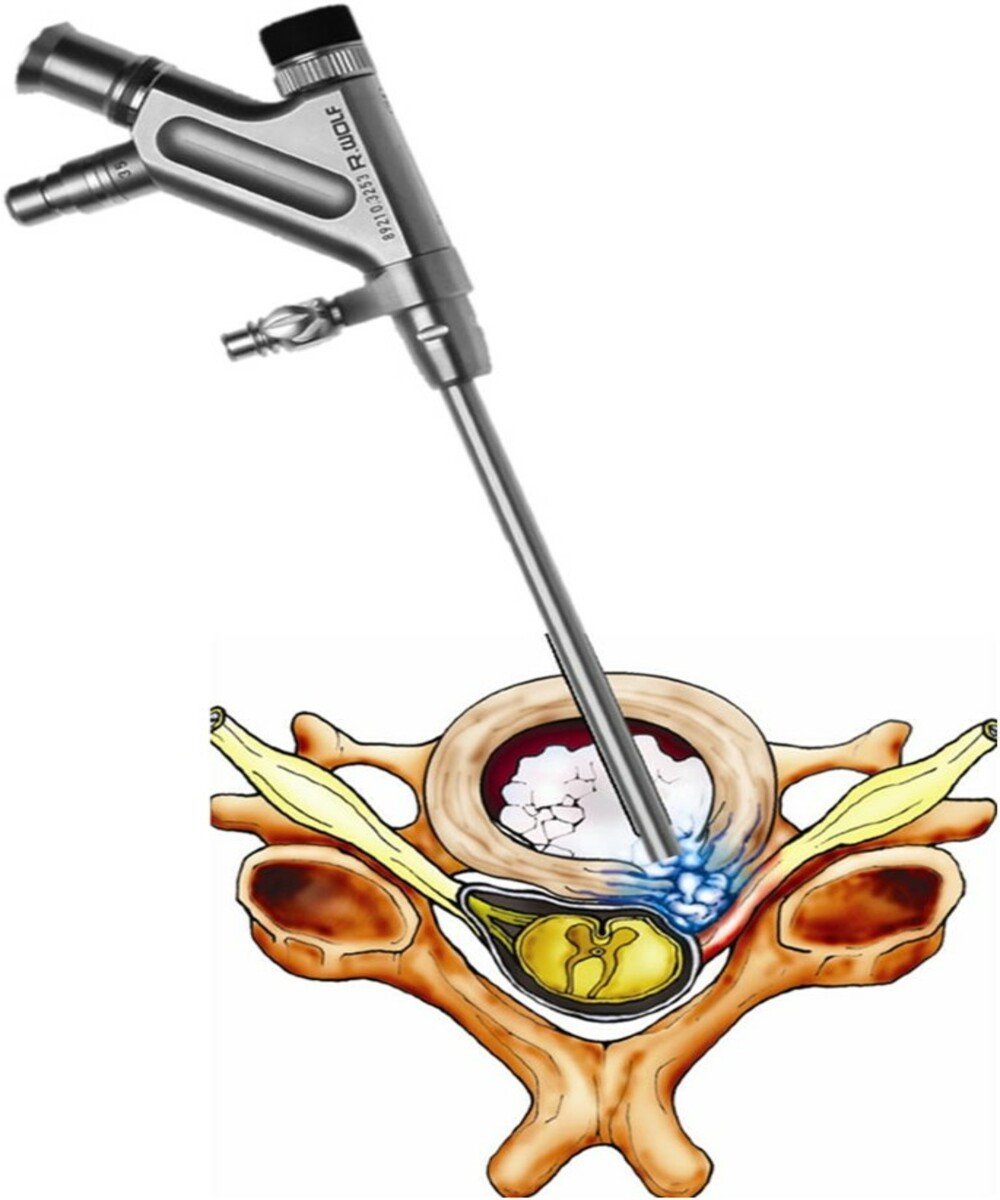
Endoscopic discectomy is a minimally invasive procedure used to remove herniated disc material that compresses spinal nerves. Using a small camera and instruments, surgeons can relieve nerve pressure with minimal tissue disruption.
Patients often experience faster recovery times and reduced post-procedure discomfort compared to traditional surgery.
Kyphoplasty & Vertebroplasty
Kyphoplasty and vertebroplasty are specialized procedures used to stabilize vertebral compression fractures, often caused by osteoporosis or trauma. These treatments can significantly reduce pain, restore spinal alignment, and improve mobility.
They are commonly recommended when conservative treatment fails to relieve fracture-related back pain.
Regenerative Disc Injections
Regenerative disc injections aim to support healing and improve disc health using biologic therapies. These treatments may be considered for patients with disc degeneration who want to delay or avoid surgery.
Regenerative approaches are part of a comprehensive pain management strategy focused on long-term spine health.
Discogram
A discogram is a diagnostic procedure used to identify painful spinal discs when imaging alone is inconclusive. By reproducing symptoms under controlled conditions, physicians can determine whether a specific disc is the source of pain. Discograms are often used when planning advanced treatment or surgical intervention.

Neck Pain Treatments (When Back Pain Extends Up the Spine)
Lower back pain does not always exist in isolation. Many patients also experience neck pain due to posture, degeneration, or nerve irritation. Neck pain treatments target cervical spine inflammation, muscle tension, and nerve compression using image-guided precision.
Cervical Ultrasound Technique
This advanced technique improves accuracy when targeting cervical structures and nerves.
Botox Injections
Botox can help reduce chronic muscle tension contributing to neck pain and headaches.
Facet Joint Injections
Facet injections help diagnose and treat pain originating from cervical or lumbar facet joints.
Nerve & Chronic Pain Treatments
When lower back pain becomes chronic or neuropathic, nerve-targeted therapies may provide lasting relief.
Spinal Cord Stimulator
A spinal cord stimulator modifies pain signals before they reach the brain and is often used for failed back surgery syndrome or chronic nerve pain.Learn more here: Spinal Cord Stimulator Implant.
DRG Stimulation
Peripheral Nerve Stimulator
Intrathecal Pain Pump
Endoscopic Rhizotomy
These advanced options are typically considered when conservative and injection-based therapies no longer provide adequate relief.
Advanced & Infusion Therapies
Complex pain conditions may require specialized interventions designed for long-term symptom control.
Infusion Therapy
Stellate Ganglion Block
Sympathetic Nerve Block
Trigger Point Injections
Sacroiliac Joint Fusion
Sacroiliac joint dysfunction is a commonly overlooked cause of lower back pain and can be effectively treated with targeted fusion techniques when conservative care fails.
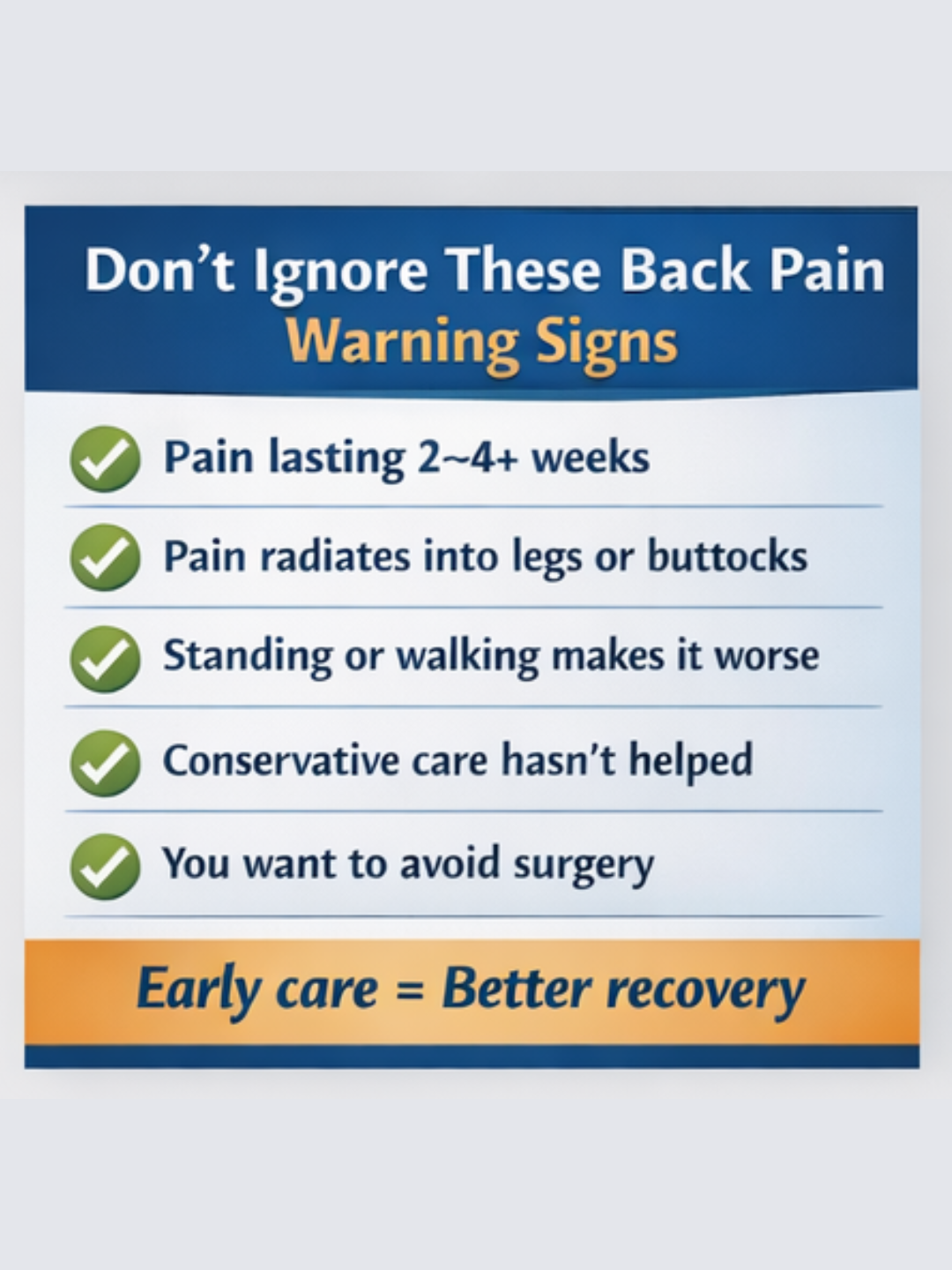
When to See a Pain Management Doctor for Lower Back Pain
You should consider consulting a pain management specialist if:
- Lower back pain lasts longer than 2–4 weeks
- Pain radiates into the legs or buttocks
- Standing or walking worsens symptoms
- Conservative care has failed
- You want to avoid or delay surgery
Early intervention often leads to better outcomes and fewer complications.
A Smarter Path to Long-Term Back Pain Relief
Choosing the right doctor for lower back pain can make the difference between temporary relief and lasting recovery. Pain management specialists offer a comprehensive, minimally invasive approach that targets the true source of pain while preserving mobility and quality of life.
By combining advanced diagnostics with personalized treatment plans, patients can achieve meaningful relief without unnecessary surgery.
If you’re experiencing persistent lower back pain, a pain management evaluation may be the most effective next step.
What Our Patients Say

Dr. Monika Misak
Articles: 9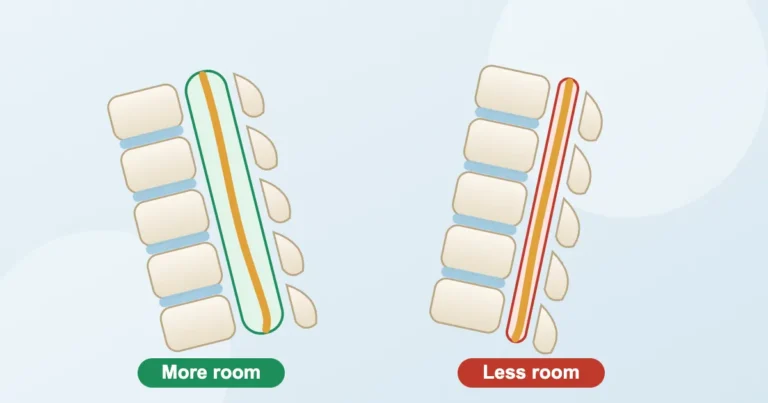
Our Plainview office has moved
Find us at our new location:
520 Old Country Rd
Plainview, NY 11803
Same doctors, same phone numbers.
Most Major Plans,
No-Fault & Personal Injury.
We accept most major insurance plans across our New York and New Jersey offices. Select your state to see accepted plans.
Accepted at our New York Locations
Workers' Compensation
No-Fault (NY & NJ)
Lien Cases
Medicare
Empire BCBS
BCBS / Anthem
Cigna
Aetna
Empire NYSHIP
Oxford (PPO)
United Health Care
GHI / Emblem Health
Humana (PPO)
Magnacare (PPO)
Northwell Direct
1199 SEIU
Self Pay
Accepted at our New Jersey Locations
No-Fault (NJ)
Lien Cases
Horizon BCBS
Empire NYSHIP
BCBS / Anthem (PPO)
Cigna
Aetna (PPO)
GHI / Emblem (PPO)
Port Authority UHC
Verizon Plan
Carpenter & Trade Unions
Self Pay
Medicare, Medicaid and Workers' Compensation are not accepted at our New Jersey locations. Not sure about your plan? Call us and we'll verify before your visit.
Not sure about your plan?
Call Us — 516-229-1443
Verify Your Coverage for FREE
Enter your information and our team will confirm your benefits before your visit.
✓ HIPAA Compliant
✓ No Obligation
✓ Same-Day Response
Your information is encrypted and secure. By submitting, you consent to receive communications regarding your appointment. You may opt out at any time.
Meet Our Pain Management & Orthopedic Specialists
Board-certified physicians dedicated to accurate diagnosis and minimally invasive care.

Pain Management
John Akhnoukh, M.D.
Board Certified Anesthesiologist & Interventional Pain Management Physician
Visit Profile



Pain Management
James Yu, D.O.
Board Certified Anesthesiologist & Interventional Pain Management Physician
Visit Profile

Pain Management
Benjamin Souferi, D.O.
Fellowship-Trained Interventional Pain Medicine Physician (Cleveland Clinic)
Visit ProfilePain Conditions Affecting Daily Life
Improve your quality of life with our comprehensive approach to pain management
We are dedicated to finding individualized treatment options tailored to fit your needs. Our team is dedicated to helping you lead a productive and active life, free from pain and disruption.
Our Locations
Pain management and orthopedic care across New York and New Jersey.