Facet Joint Syndrome: Symptoms, Causes & Treatment
In this article
- What is facet joint syndrome?
- Facet arthropathy vs. facet arthritis vs. facet joint syndrome
- Facet joint anatomy, simply explained
- What does facet joint pain feel like?
- What causes facet joint syndrome?
- How is facet joint syndrome diagnosed?
- How is facet joint syndrome treated?
- Does facet joint syndrome go away?
- When should you see a doctor?
- Frequently asked questions
Facet joint syndrome is a common but under-recognized cause of neck and back pain that comes from the small joints along the back of your spine. You may also see it called facet arthropathy or facet arthritis on an imaging report. When these joints wear down, they can ache, stiffen, and flare when you lean back or twist. The good news is that it’s very treatable — often with physical therapy and targeted injections rather than surgery. This guide explains what facet joint syndrome is, how it’s diagnosed, and the treatment options that help.
Key takeaways
- Facet joint syndrome is arthritis of the small facet joints in your spine, also called facet arthropathy.
- The pain is usually localized to the neck or back and gets worse when you extend or twist.
- It’s mainly caused by age-related wear, and risk rises after about age 45.
- A diagnostic numbing injection can confirm the facet joints are the source.
- Most people are managed without surgery, using therapy, injections, and radiofrequency ablation.
What is facet joint syndrome?
Facet joint syndrome is pain caused by arthritis in the facet joints — the small paired joints that link the bones of your spine and let you bend and twist. When the cartilage that cushions these joints wears away, the bones rub together, and the joint becomes painful and stiff. It can happen anywhere along the spine, but the neck and lower back are the most common locations.
Cleveland Clinic describes facet arthropathy (facet joint syndrome) as “a type of arthritis that affects the small joints in your spine,” occurring when the cartilage cushioning those joints wears away and the bones rub together (Cleveland Clinic).
Facet arthropathy vs. facet arthritis vs. facet joint syndrome
These terms overlap and are often used interchangeably. The difference is mostly whether the word describes what an image shows or what you feel.
| Term | What it means |
|---|---|
| Facet arthropathy | The medical term for degeneration or disease of the facet joints. It often appears on MRI, CT, or X-ray reports. |
| Facet arthritis | Wear-and-tear (osteo)arthritis of the facet joints — the most common form of facet arthropathy. |
| Facet joint syndrome | The pain pattern that comes from those joints: localized neck or back pain that worsens with leaning back or twisting. |
| Facet hypertrophy | Enlarged facet joints caused by arthritis. Enlarged joints can narrow the space for nerves, contributing to spinal stenosis. |
Facet arthropathy on a scan becomes very common with age and doesn’t always mean those joints are causing your pain. That’s why a specialist matches the report to your symptoms and exam before recommending treatment. If narrowing is also present, our guide to spinal stenosis exercises to avoid may help.
Facet joint anatomy, simply explained
Each vertebra has two pairs of facet joints: one pair connects to the vertebra above, and one to the vertebra below. Together with the disc in front, they form a three-joint support system at every level of the spine.
Facet joints are synovial joints, like your knuckles. The bone surfaces are covered with smooth cartilage and wrapped in a fluid-filled capsule. Small sensory nerves called medial branch nerves carry feeling from each joint. The joints guide and limit movement, especially twisting and bending backward, which is why those motions hurt when the joints are arthritic. The medial branch nerves are also the target of medial branch blocks and radiofrequency ablation.
What does facet joint pain feel like?
Facet joint pain usually feels like a deep, aching or sharp pain in the neck or lower back that gets worse when you lean backward or twist. It tends to stay close to the spine rather than shooting far down an arm or leg, and it often comes with stiffness — especially after resting or first thing in the morning. Standing for a long time or arching backward can trigger a flare.
Cleveland Clinic notes patients typically experience “aching or sharp pain” that “gets worse with extension and rotation,” along with stiffness and tenderness (Cleveland Clinic).
What causes facet joint syndrome?
Facet joint syndrome is mostly caused by everyday wear and tear on the spine over time. As the cartilage in the joints thins with age, the joints become arthritic and painful. Injuries, repetitive strain, extra body weight, and disc degeneration can all speed the process along.
Per Cleveland Clinic, common causes include age, injuries, joint overuse, obesity, and repetitive stress, with risk rising for people “above age 45,” those with disc degeneration, and those with weak spinal support muscles (Cleveland Clinic).
How is facet joint syndrome diagnosed?
Facet joint syndrome is diagnosed with a physical exam, imaging, and often a small diagnostic injection to confirm the source. Because arthritis on an MRI doesn’t always match where the pain comes from, physicians frequently use a numbing injection near the nerves that supply a facet joint: if the pain temporarily improves, it confirms that joint is the culprit. At Empire Minimally Invasive Spine and Pain, that confirmation is what makes the next treatment precise.
Cleveland Clinic explains that providers may “inject a numbing medication into the nerves that supply the affected joint. If your pain improves while the medication is active, it shows that facet arthropathy is the cause” (Cleveland Clinic).
How is facet joint syndrome treated?
Facet joint syndrome is almost always treated without surgery, starting with conservative care and stepping up to targeted procedures if needed. Empire follows a step-and-ladder approach: the least invasive option first, escalating only when it’s warranted.
Physical therapy for facet joint syndrome
Physical therapy is usually the first step. A therapist builds the plan around your exam, but it typically focuses on:
- Core and deep back strengthening so the muscles, not the joints, carry more of the load.
- Hip and hamstring flexibility, which eases strain on the lower back.
- Posture and movement retraining for sitting, standing, and lifting.
- Gentle flexion-based movement that opens the facet joints, while limiting long periods of arching backward during a flare.
Activity adjustments and anti-inflammatory measures are often added. This alone settles many flares. Check with your clinician before starting a home exercise program.
Injections and nerve treatments
When pain persists, facet joint injections and medial branch blocks can both diagnose and calm the painful joint. If a medial branch block confirms the facet joints as the source and relief is temporary, radiofrequency ablation can quiet the tiny nerves carrying the pain signal for a longer stretch. (For how these two injections differ, see our guide on medial branch blocks vs. facet joint injections.)
Surgery
Surgery is rarely needed for facet joint syndrome and is reserved for cases that don’t respond to conservative care and injections.
On radiofrequency ablation for facet pain, Cleveland Clinic notes “relief usually lasts six to 12 months,” with surgery reserved as a rare, last option (Cleveland Clinic).
Does facet joint syndrome go away?
Facet joint syndrome is a wear-related condition, so the underlying arthritis doesn’t reverse — but the pain can be managed very effectively, and many people go long stretches with little or no discomfort. Staying active, keeping the supporting muscles strong, and using targeted treatments when flares happen are the keys to living well with it.
Cleveland Clinic notes facet arthropathy “usually gets worse over time” and “you can’t reverse the damage,” but treatment manages the symptoms effectively (Cleveland Clinic).
When should you see a doctor?
See a doctor if neck or back pain lasts more than a couple of weeks, keeps coming back, or interferes with sleep, work, or daily activity. A pain specialist can determine whether the facet joints are the source and offer treatments that go beyond general back pain care. Learn more about seeing a back pain doctor at Empire.
Seek prompt care if you have:
- Pain, numbness, or weakness that spreads down an arm or leg
- New loss of bladder or bowel control
- Back pain following a significant fall or accident
Back or neck pain that flares when you lean back?
Empire Minimally Invasive Spine and Pain can confirm whether your facet joints are the source and target the treatment. Serving Long Island and New Jersey.
Request a consultation Or call our New York office at 516-229-1443.Frequently asked questions
What is facet arthropathy?
Facet arthropathy is the medical term for degeneration or arthritis of the facet joints in the spine. It often appears on MRI, CT, or X-ray reports. It becomes more common with age and doesn’t always cause pain, so a specialist matches the report to your symptoms and exam.
What triggers facet joint pain?
Facet joint pain is often triggered by leaning backward, twisting, or standing for long periods, because these positions load the joints. Stiffness after rest or first thing in the morning is common too. Cleveland Clinic notes the pain gets worse with extension and rotation.
Does physical therapy help facet joint syndrome?
Yes, for many people. Physical therapy strengthens the core and back muscles that support the spine, improves hip and hamstring flexibility, and teaches posture habits that reduce load on the facet joints. If pain continues despite therapy, targeted injections or radiofrequency ablation can be added.
What is the best treatment for facet joint syndrome?
There’s no single best treatment — care is matched to your case. Most people start with physical therapy and anti-inflammatory measures, then move to facet injections or medial branch blocks, and radiofrequency ablation for longer relief if the joints are confirmed as the source.
How long does radiofrequency ablation last for facet pain?
Relief from radiofrequency ablation for facet joint pain usually lasts about six to 12 months, per Cleveland Clinic. The treated nerves can regrow over time, so the procedure can be repeated if the pain returns.
Is facet joint syndrome the same as arthritis?
Essentially, yes. Facet joint syndrome is arthritis of the facet joints in the spine. It’s sometimes called facet arthropathy or facet arthritis, and it develops mainly from age-related wear.
Can facet joint syndrome be cured?
The underlying joint wear can’t be reversed, so it isn’t “cured” in that sense. But the pain can be controlled well with therapy, injections, and radiofrequency ablation, and many people have long stretches with little discomfort.
This article is for general education and is not a substitute for medical advice. Talk with a qualified clinician about your specific symptoms.
What Our Patients Say

Dr. Monika Misak
Articles: 9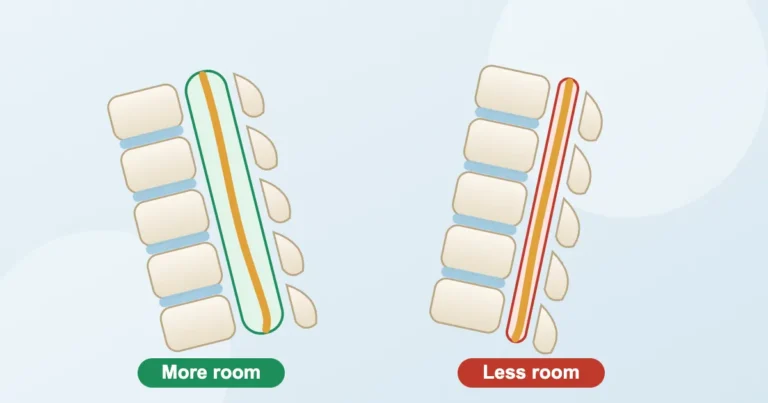

Our Plainview office has moved
Find us at our new location:
520 Old Country Rd
Plainview, NY 11803
Same doctors, same phone numbers.
Most Major Plans,
No-Fault & Personal Injury.
We accept most major insurance plans across our New York and New Jersey offices. Select your state to see accepted plans.
Accepted at our New York Locations
Workers' Compensation
No-Fault (NY & NJ)
Lien Cases
Medicare
Empire BCBS
BCBS / Anthem
Cigna
Aetna
Empire NYSHIP
Oxford (PPO)
United Health Care
GHI / Emblem Health
Humana (PPO)
Magnacare (PPO)
Northwell Direct
1199 SEIU
Self Pay
Accepted at our New Jersey Locations
No-Fault (NJ)
Lien Cases
Horizon BCBS
Empire NYSHIP
BCBS / Anthem (PPO)
Cigna
Aetna (PPO)
GHI / Emblem (PPO)
Port Authority UHC
Verizon Plan
Carpenter & Trade Unions
Self Pay
Medicare, Medicaid and Workers' Compensation are not accepted at our New Jersey locations. Not sure about your plan? Call us and we'll verify before your visit.
Not sure about your plan?
Call Us — 516-229-1443
Verify Your Coverage for FREE
Enter your information and our team will confirm your benefits before your visit.
✓ HIPAA Compliant
✓ No Obligation
✓ Same-Day Response
Your information is encrypted and secure. By submitting, you consent to receive communications regarding your appointment. You may opt out at any time.
Meet Our Pain Management & Orthopedic Specialists
Board-certified physicians dedicated to accurate diagnosis and minimally invasive care.

Pain Management
John Akhnoukh, M.D.
Board Certified Anesthesiologist & Interventional Pain Management Physician
Visit Profile



Pain Management
James Yu, D.O.
Board Certified Anesthesiologist & Interventional Pain Management Physician
Visit Profile

Pain Management
Benjamin Souferi, D.O.
Fellowship-Trained Interventional Pain Medicine Physician (Cleveland Clinic)
Visit ProfilePain Conditions Affecting Daily Life
Improve your quality of life with our comprehensive approach to pain management
We are dedicated to finding individualized treatment options tailored to fit your needs. Our team is dedicated to helping you lead a productive and active life, free from pain and disruption.
Our Locations
Pain management and orthopedic care across New York and New Jersey.