Sports Medicine · Arthroscopic Knee Surgery
ACL Reconstruction Surgery in Plainview, NY
Tore your ACL playing sports, skiing, or in an accident? Our fellowship-trained sports medicine surgeons rebuild the torn ligament with arthroscopic, minimally invasive surgery — and a rehab plan built around your goals. Serving Long Island, NY and northern New Jersey.
Fellowship-trained sports medicine surgeons
Arthroscopic, minimally invasive technique
Orthopedics + pain management under one roof
A rehab plan built around your goals
What the ACL Does — and What Reconstruction Means
The anterior cruciate ligament (ACL) is one of the main bands of tissue that hold your knee together. It runs through the center of the knee and keeps your shinbone from sliding too far forward or twisting under your thighbone. When you plant, pivot, or land awkwardly and the knee gives way, the ACL can stretch or tear.
A torn ACL usually does not heal back together on its own. When the tear leaves the knee feeling loose or buckling — or you want to get back to sports and active work — surgeons rebuild the ligament with a procedure called ACL reconstruction. Instead of stitching the old ligament, the surgeon replaces it with a graft (a new piece of tendon) that acts as a new ACL while your body grows tissue around it.
ACL tears are one of the most common causes of knee pain in active people, and they often happen alongside other knee injuries — which is why a full exam matters. You can also see our full range of knee surgery options. For a plain-language overview of ACL injuries, the American Academy of Orthopaedic Surgeons offers a helpful patient guide on OrthoInfo.
Signs You May Have Torn Your ACL
ACL tears often happen in sports that involve cutting, jumping, or sudden stops — soccer, basketball, football, skiing, tennis — as well as in car accidents and falls. Common signs include:
- A loud “pop” at the moment of injury
- Sudden, sharp knee pain
- Rapid swelling within a few hours
- A feeling that the knee is loose or “gives out”
- Trouble putting weight on the leg or straightening the knee
- Reduced range of motion
If your injury was recent, our team also treats acute injuries and can start you on the right path quickly.
When to seek care: Get evaluated promptly if your knee swells quickly, feels unstable, or cannot bear weight after an injury. Early diagnosis helps protect the cartilage and meniscus inside the knee.
Do You Actually Need ACL Surgery?
Not every torn ACL needs surgery. At Empire, we follow a step-up approach: we start with the least invasive option that can get you back to your life, and recommend reconstruction only when it’s the right fit for your knee and your goals.
Surgery is often the right choice when:
- You’re young or active and want to return to cutting or pivoting sports
- The knee keeps giving out during everyday activities
- Other structures, such as the meniscus, are also damaged
A non-surgical plan may work well when:
- The tear is partial and the knee feels stable
- You have a less active lifestyle
- You’re willing to avoid high-risk pivoting sports and commit to physical therapy
Your surgeon will examine the knee, review your imaging, and talk through your daily demands before recommending a path. The goal is a stable knee — not surgery for its own sake.
How ACL Reconstruction Works
ACL reconstruction is done arthroscopically. The surgeon makes a few small incisions and uses a tiny camera (an arthroscope) and thin instruments to work inside the knee. Because the incisions are small, most patients go home the same day.
- You receive anesthesia so you feel nothing during surgery.
- The surgeon removes the torn ligament and prepares small tunnels in the bone.
- A graft is threaded through the tunnels to replace the ACL.
- The graft is secured, and the surgeon checks the knee’s stability and repairs any other damage — such as a torn meniscus — at the same time.
Graft options
Autograft (your own tissue)
A tendon taken from your own knee or leg — commonly the patellar tendon, hamstring, or quadriceps tendon. Autografts heal well and are a frequent choice for younger, active patients.
Allograft (donor tissue)
A tendon from a screened tissue donor, including the Achilles tendon. Allografts avoid taking tissue from your own body and can be a good option for certain patients.
There’s no single “best” graft. Your surgeon recommends the one that fits your age, activity level, and knee — and explains why.
Benefits and Risks
Possible benefits
- A more stable knee that’s less likely to give out
- The chance to return to sports and active work
- Lower risk of further cartilage and meniscus damage over time
- Small incisions and usually same-day surgery
Possible risks
- Infection, bleeding, or a reaction to anesthesia
- Stiffness or trouble regaining full motion
- A graft that stretches or re-tears, especially with early return to sport
- Blood clots
- Ongoing pain or weakness in some cases
No surgeon can promise a specific result. What we can promise is an honest conversation about whether reconstruction is likely to help you, and a plan to lower your risks.
Recovery Timeline: What to Expect
Recovery from ACL reconstruction is measured in months, not weeks — and physical therapy is the part that makes or breaks the result. Timelines differ from person to person, so your surgeon and therapist will set goals based on your knee.
First 1–2 weeks: Rest, ice, and elevation with pain control. Crutches and often a brace. Gentle motion exercises begin.
Weeks 2–6: Swelling settles. The focus is regaining full straightening, walking, and early strengthening.
Months 2–4: Build strength and balance. Many people return to light jogging and normal daily activities.
Months 4–9: Sport-specific training and agility work, once strength and stability goals are met.
Around 9–12 months: Many athletes return to cutting and pivoting sports — but only after passing strength and function tests, not by the calendar alone.
Returning too early is a leading cause of re-tear. Clearance to play is based on how your knee performs, not just how much time has passed.
Meet Your Sports Medicine Surgeons
Jeffrey Guttman, MD
Orthopedic Surgeon · Sports Medicine
Dr. Guttman is a board-certified orthopedic surgeon with a Certificate of Added Qualification in Sports Medicine and more than 20 years in practice. He completed his orthopedic residency at St. Luke’s-Roosevelt Hospital, a Columbia University hospital, where he served as Chief Resident, followed by a sports medicine fellowship in Philadelphia. His published research includes work on ACL reconstruction outcomes in the journal Arthroscopy, and he continues to study ways to improve recovery after ACL surgery. He holds hospital privileges at Northwell Health–Plainview, Mercy Hospital, and Hudson Regional Hospital.
Salvatore Corso, MD
Orthopedic Surgeon · Sports Medicine
Dr. Corso is a board-certified orthopedic surgeon with a subspecialty board in Orthopaedic Sports Medicine and a fellowship in arthroscopy and sports medicine. With more than 20 years of experience and over 10,000 orthopedic procedures, he has lectured nationally on arthroscopic surgery of the knee, shoulder, and other joints, and has volunteered as a physician at the U.S. Open at Bethpage.
Our surgeons handle both the operation and the after-care. And because Empire combines orthopedic surgery and pain management under one roof, you don’t need a separate referral for pain relief along the way.
Why Patients Choose Empire
- Fellowship-trained, board-certified sports medicine surgeons
- A step-up approach — minimally invasive care first, surgery only when it’s right for you
- Arthroscopic technique for smaller incisions and same-day surgery
- Orthopedic surgery and pain management in one practice
- Convenient locations across Long Island, NY and northern New Jersey
See all the areas we serve.
ACL Surgery FAQs
How long does it take to recover from ACL surgery?
Most people need several months. Light daily activities often return in 2–4 months, while cutting and pivoting sports usually wait until around 9–12 months — and only after passing strength and stability tests.
Is ACL reconstruction painful?
You feel nothing during surgery. Afterward, most discomfort is managed with medication, ice, and elevation, and it eases over the first couple of weeks. Physical therapy is more about steady effort than pain.
Can a torn ACL heal without surgery?
A torn ACL usually doesn’t grow back together. Some people with a stable knee and a lower activity level do well with bracing and physical therapy. Others need reconstruction to keep the knee from giving out.
What graft is best for ACL surgery?
There’s no single best graft. Autografts (your own tendon) and allografts (donor tendon, including the Achilles) each have trade-offs. Your surgeon chooses based on your age, activity level, and knee.
How soon can I walk after ACL surgery?
Many patients put light weight on the leg with crutches within days, often with a brace. Walking without support returns as swelling settles and strength builds, usually over the first few weeks.
Will insurance cover ACL surgery?
ACL reconstruction after an injury is often covered, but plans differ and coverage varies by location. Our team will verify your benefits before scheduling — just call and we’ll help.
Request an ACL Consultation
Tore your ACL, or think you might have? Get an evaluation with a board-certified sports medicine surgeon. We’ll examine your knee, review your imaging, and build a plan around your goals — whether that’s returning to sport or simply walking without your knee giving out.
Long Island, NY: (516) 229-1443 · New Jersey: (732) 630-7246
We see ACL and knee-injury patients across our Long Island, NY and northern New Jersey offices. Hurt in an accident or on the job? We also treat injury and accident cases and document your care for your claim.
JG
Medically reviewed by Dr. Jeffrey Guttman, M.D. — Board-certified Orthopedic & Sports Medicine Surgeon
Last reviewed July 2026 · Empire Minimally Invasive Spine & Pain
What Our Patients Say
Medicare, Workers Comp,
No Fault & Others.
We accept most major insurance plans across our New York and New Jersey offices. Select your state to see accepted plans.
Accepted at our New York Locations
Workers' Compensation
No-Fault (NY & NJ)
Lien Cases
Medicare
Empire BCBS
BCBS / Anthem
Cigna
Aetna
Empire NYSHIP
Oxford (PPO)
United Health Care
GHI / Emblem Health
Humana (PPO)
Magnacare (PPO)
Northwell Direct
1199 SEIU
Self Pay
Accepted at our New Jersey Locations
No-Fault (NJ)
Lien Cases
Horizon BCBS
Empire NYSHIP
BCBS / Anthem (PPO)
Cigna
Aetna (PPO)
GHI / Emblem (PPO)
Port Authority UHC
Verizon Plan
Carpenter & Trade Unions
Self Pay
Medicare and Medicaid are not accepted at our New Jersey locations. Not sure about your plan? Call us and we'll verify before your visit.
Not sure about your plan?
Call Us — 516-229-1443
Verify Your Coverage for FREE
Enter your information and our team will confirm your benefits before your visit.
✓ HIPAA Compliant
✓ No Obligation
✓ Same-Day Response
Your information is encrypted and secure. By submitting, you consent to receive communications regarding your appointment. You may opt out at any time.
Meet Our Pain Management & Orthopedic Specialists
Board-certified physicians dedicated to accurate diagnosis and minimally invasive care.
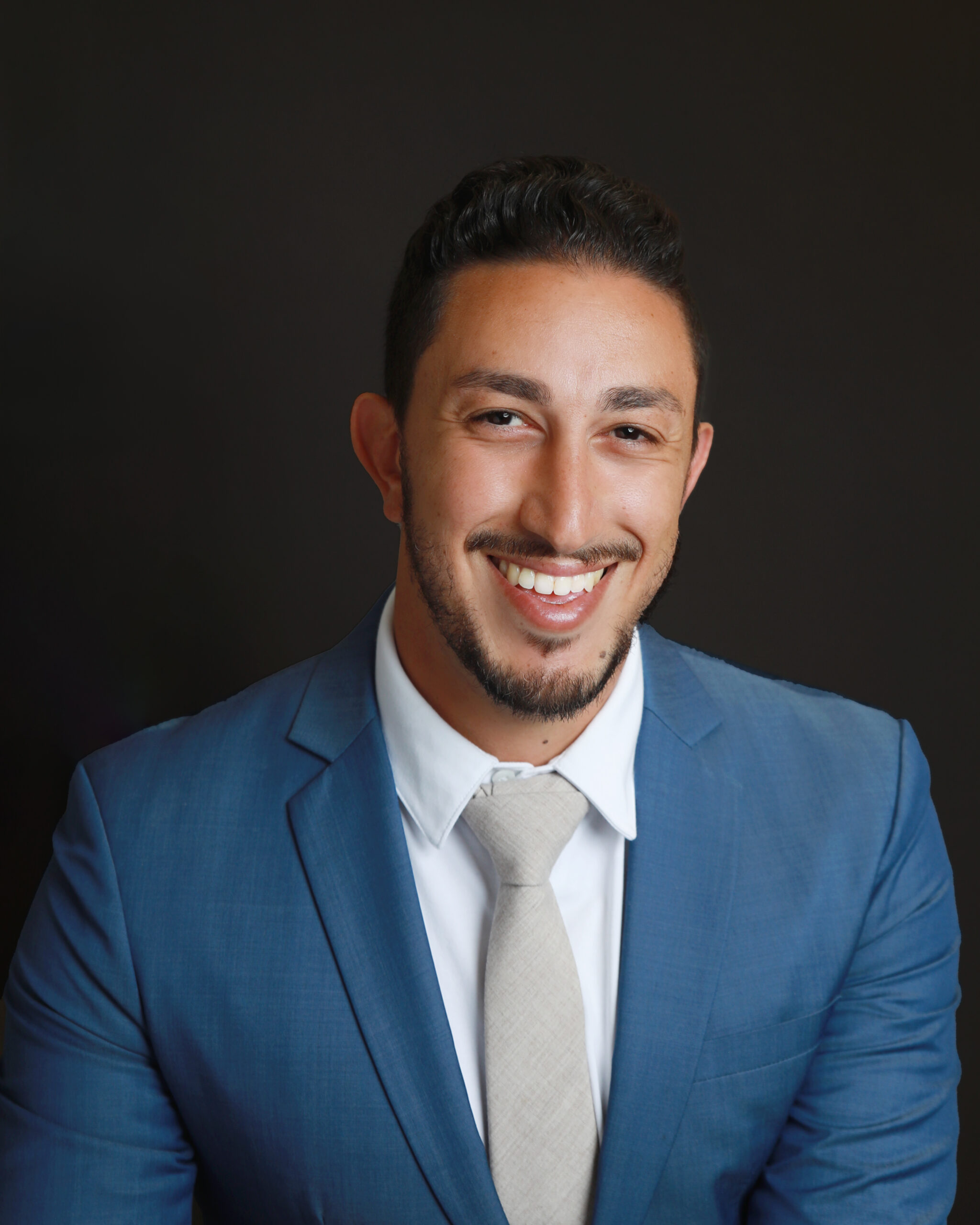
Pain Management
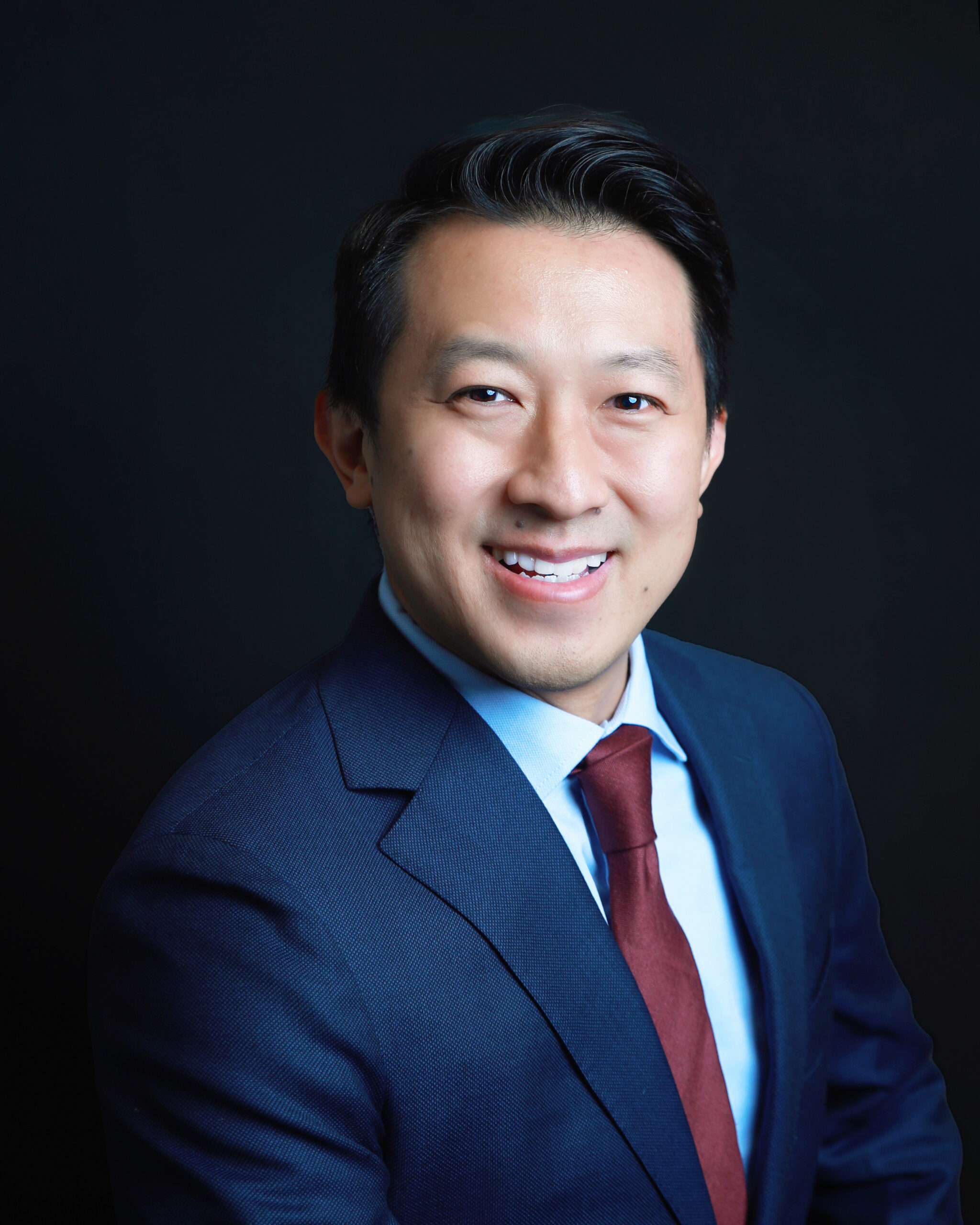
John Akhnoukh, M.D.
Board Certified Anesthesiologist & Interventional Pain Management Physician
Visit Profile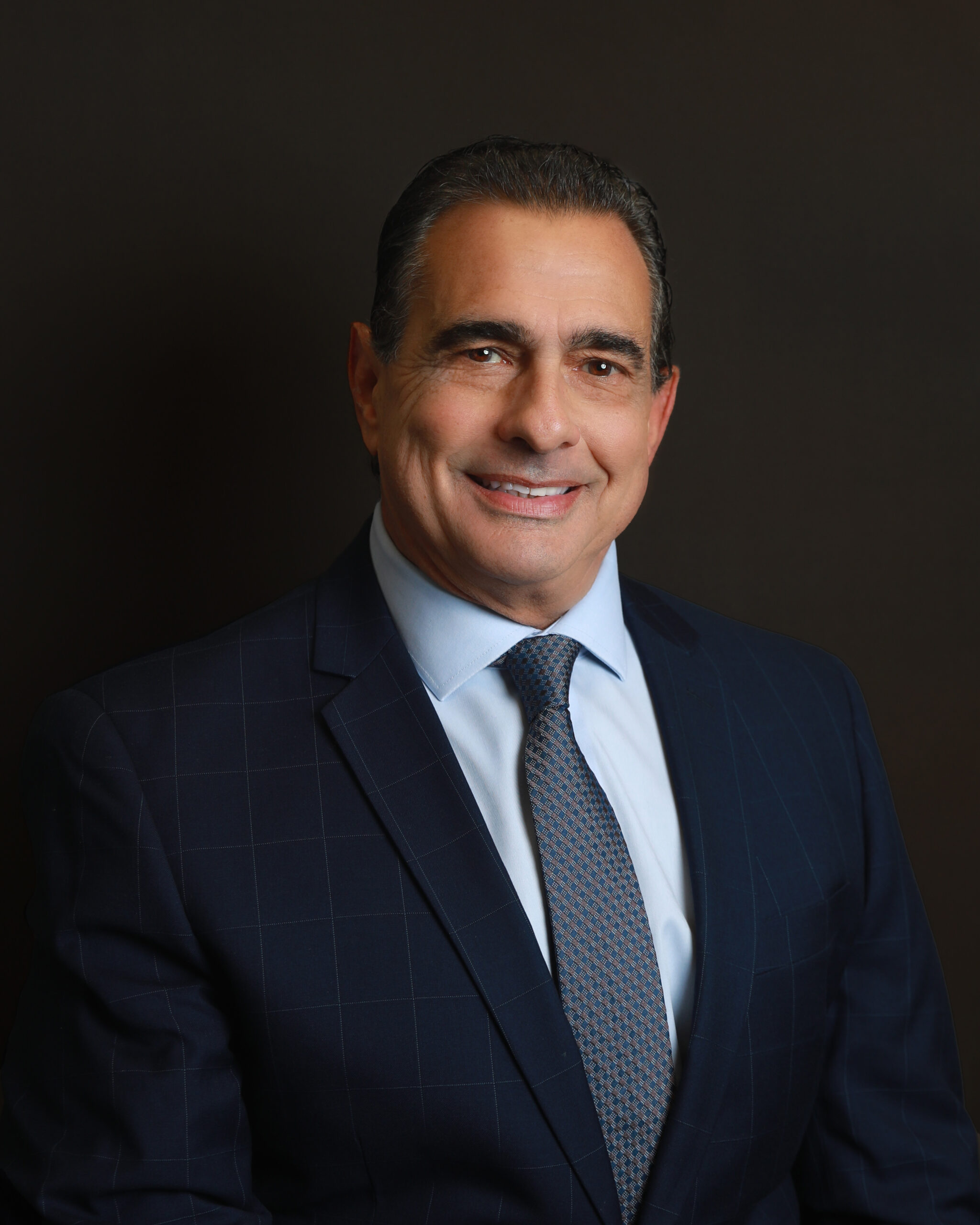
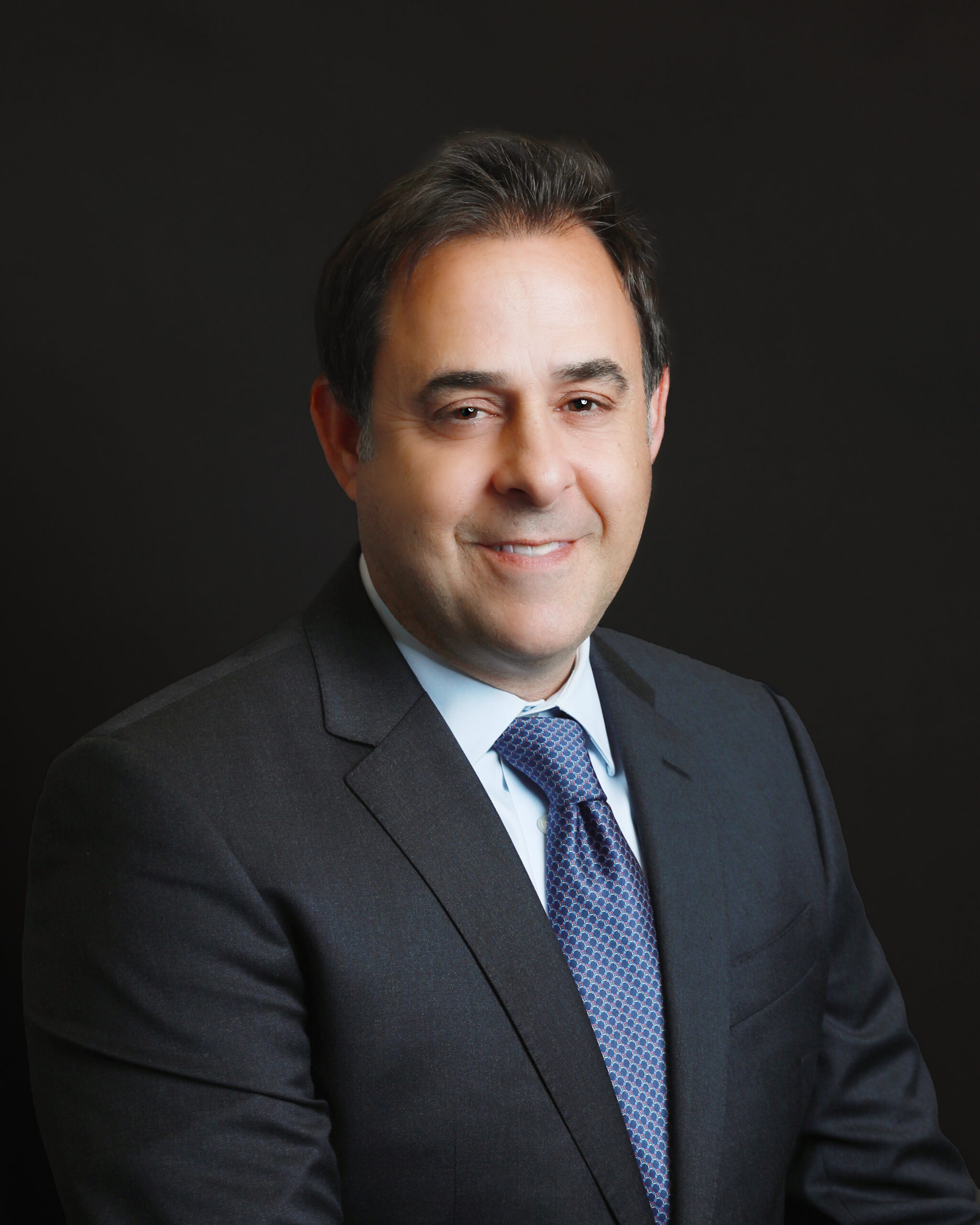

Pain Management
James Yu, D.O.
Board Certified Anesthesiologist & Interventional Pain Management Physician
Visit Profile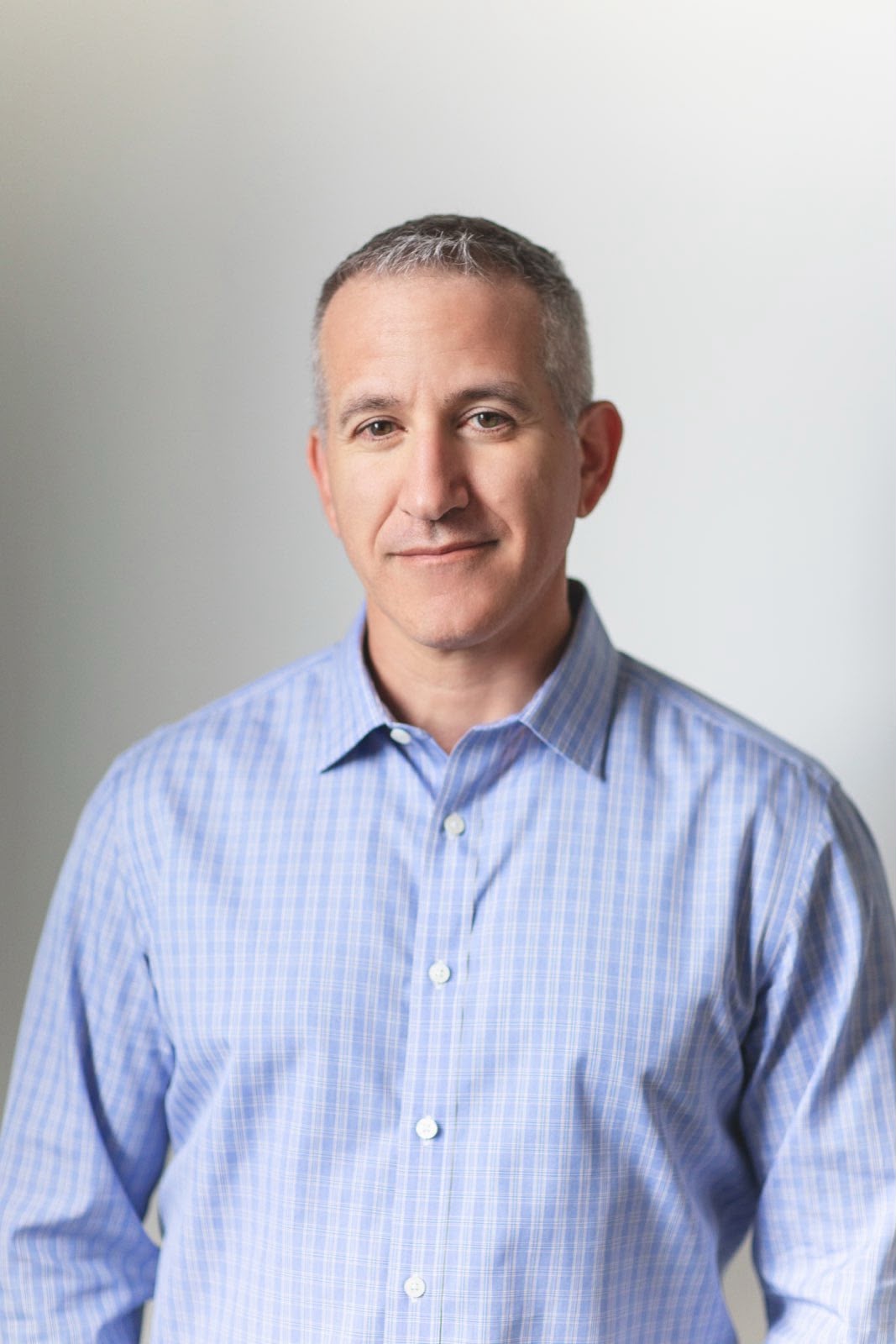
Pain Management
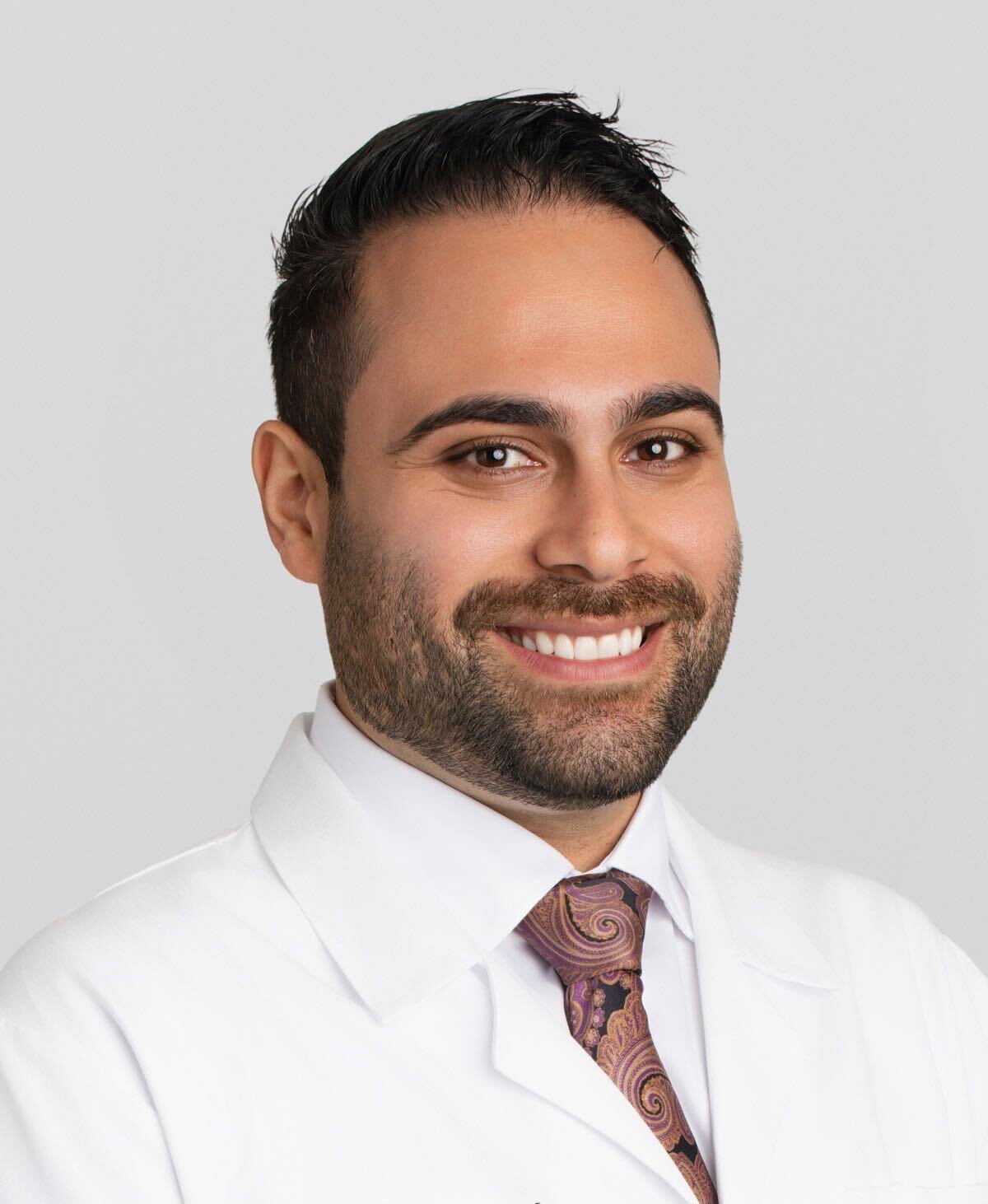
Benjamin Souferi, D.O.
Fellowship-Trained Interventional Pain Medicine Physician (Cleveland Clinic)
Visit ProfilePain Conditions Affecting Daily Life
Improve your quality of life with our comprehensive approach to pain management
We are dedicated to finding individualized treatment options tailored to fit your needs. Our team is dedicated to helping you lead a productive and active life, free from pain and disruption.
Our Locations
Pain management and orthopedic care across New York and New Jersey.