
How Long Does a Pinched Nerve Take to Heal? Recovery Timeline
In this article
- How long does a pinched nerve take to heal?
- What is a pinched nerve, exactly?
- Does healing time depend on where the nerve is pinched?
- What affects how fast a pinched nerve heals?
- What are the signs a pinched nerve is healing?
- How can you speed up recovery from a pinched nerve?
- When is a pinched nerve serious?
- What if it isn’t healing on its own?
- Frequently asked questions
If you’ve got shooting pain, numbness, or a pins-and-needles feeling from a pinched nerve, the first question is usually simple: when will this go away? The short answer is reassuring. Most pinched nerves settle down within a few weeks to a couple of months with simple, non-surgical care. How fast yours heals depends mostly on where the nerve is pinched and what’s pressing on it. This guide walks through the typical timeline, what speeds it up, and the warning signs that mean you shouldn’t wait.
Key takeaways
- Most pinched nerves improve within a few weeks; many take up to about 8 to 12 weeks.
- Healing time depends on where the nerve is pinched, the cause, and how long symptoms have been present.
- Pain usually eases before numbness does — slower-fading numbness isn’t a bad sign by itself.
- Gentle activity, physical therapy, and time do most of the work; surgery is rarely needed.
- Progressive weakness, or any loss of bladder or bowel control, is an emergency — get care right away.
How long does a pinched nerve take to heal?
Most pinched nerves heal within a few weeks, and many resolve over about 8 to 12 weeks with non-surgical care. A mild nerve that’s irritated but not badly compressed can calm down in days. One caused by a herniated disc or bone spur usually takes longer. Recovery isn’t a fixed date — it’s a range that depends on the cause.
For radiculopathy (a pinched spinal nerve), Cleveland Clinic reports that with treatment “most people feel better in a few weeks (or sooner),” and that it’s “rare to need surgery” (Cleveland Clinic).
At Empire Minimally Invasive Spine and Pain, the first job isn’t to rush a treatment — it’s to figure out which nerve is pinched and where, because a nerve pinched in the neck heals on a different clock than one pinched in the lower back. Matching the plan to the actual source is what keeps a short problem from turning into a long one.
What is a pinched nerve, exactly?
A pinched nerve is a nerve that’s being pressed on or irritated by nearby tissue — a disc, a bone spur, a swollen ligament, or tight muscle. That pressure disrupts the nerve’s signal, which is why you feel pain, tingling, numbness, or weakness along the path the nerve travels rather than only at the spot itself.
When the pinched nerve is a spinal nerve root leaving the spine, doctors call it radiculopathy. In the neck that’s cervical radiculopathy; in the lower back it’s lumbar radiculopathy, which often shows up as sciatica. Nerves can also get pinched away from the spine — the median nerve at the wrist (carpal tunnel) or the ulnar nerve at the elbow are common examples.
Does healing time depend on where the nerve is pinched?
Yes — location is one of the biggest factors in how long a pinched nerve takes to heal. A spinal nerve in the neck or back often follows a weeks-to-months pattern as the irritation calms, while a nerve compressed at the wrist or elbow can behave differently and sometimes lingers. The table below shows the common sites and what recovery usually looks like.
| Where it’s pinched | Medical name | Where symptoms travel | Typical recovery |
|---|---|---|---|
| Neck | Cervical radiculopathy | Shoulder, arm, hand | Often within 8–12 weeks |
| Lower back | Lumbar radiculopathy / sciatica | Buttock, thigh, leg, foot | Often a few weeks to a couple of months |
| Wrist | Carpal tunnel (median nerve) | Thumb, index, middle fingers | Weeks with early care; chronic cases can persist |
| Elbow | Cubital tunnel (ulnar nerve) | Ring and little fingers | Weeks to months, depending on severity |
For a pinched nerve in the neck, Cleveland Clinic reports that “over 85% of cervical radiculopathy cases resolve…within eight to 12 weeks,” and about 90% of people “have good to excellent outcomes with nonsurgical therapy” (Cleveland Clinic).
Want the detail for your site specifically? We cover the neck version in our guide to a pinched nerve in the neck, the low-back version in our guide to a pinched nerve in the lower back, and the wrist version in our article on carpal tunnel at night.
What affects how fast a pinched nerve heals?
A pinched nerve heals faster when the pressure on it is mild and recent, and slower when something structural is pressing on it or symptoms have dragged on for months. The cause matters most, but your daily habits and overall health play a real part too. Here’s what tends to move the timeline in each direction.
- The cause. Simple irritation or swelling settles quickly. A herniated disc, bone spur, or narrowed nerve opening usually takes longer.
- How long it’s been going on. A nerve irritated for a week generally recovers faster than one that’s been compressed for months.
- Activity and posture. Gentle movement helps; repeating the position that pinched the nerve keeps flaring it.
- Overall health. Conditions like diabetes can slow nerve recovery, and smoking works against healing tissue.
A pinched nerve’s recovery speed depends mostly on the cause and how long it’s been present. Mild, recent nerve irritation often eases within days to a couple of weeks, while a nerve compressed by a herniated disc or bone spur usually takes longer to calm down.
What are the signs a pinched nerve is healing?
The clearest sign a pinched nerve is healing is that the pain shrinks back toward its source — leg pain pulls up toward the back, or arm pain pulls up toward the neck. This “centralizing” pattern is a good sign. Sharp pain usually fades first, while numbness and tingling often take longer to clear as the nerve recovers.
Other encouraging signs include being able to sit, stand, or walk for longer without a flare, needing less pain medicine, and feeling strength return to a weak arm or leg. Is it a problem if numbness lingers after the pain is gone? Usually not — nerves recover their sensation slowly, so a little residual numbness can trail behind steady improvement. What matters is the overall direction: less often, less intense, less limiting.
How can you speed up recovery from a pinched nerve?
You can help a pinched nerve heal faster by staying gently active, easing the pressure on the nerve, and giving inflammation time to settle. There’s no instant fix, but a few steady habits make a real difference — and they’re the same first steps a specialist would start with. The goal is to keep moving without repeating whatever aggravates the nerve.
- Keep moving, gently. Short walks and easy motion beat strict bed rest, which can stiffen you up and slow recovery.
- Try physical therapy. Targeted stretches and nerve-gliding exercises reduce pressure and rebuild support around the nerve.
- Mind your posture and setup. Adjust your desk, phone habits, and sleep position so you’re not holding the nerve in a pinched spot for hours.
- Use heat, ice, and short-term anti-inflammatories. These can ease symptoms while the nerve settles. Cleveland Clinic advises checking with a provider before taking an NSAID for more than 10 days.
When pain is severe or hangs on despite these steps, a targeted, image-guided epidural steroid injection can calm the inflammation around the nerve root and open a window to make physical therapy work better. This is the “step up” in Empire’s step-and-ladder approach: start with the least invasive option that fits, and only escalate if it’s genuinely needed.
When is a pinched nerve serious?
Most pinched nerves are not dangerous, but a few symptoms mean you shouldn’t wait and watch. Get medical care promptly for weakness that’s getting worse, numbness or tingling that keeps spreading, or symptoms that start right after a fall or crash. And treat certain symptoms as an emergency, not an appointment.
Seek emergency care now if you have:
- New loss of bladder or bowel control
- Numbness in the groin or inner thighs (the “saddle” area)
- Rapidly worsening weakness in an arm or leg, or a foot that drops
There’s also a quieter reason not to ignore a stubborn pinched nerve. A nerve left compressed for too long can develop lasting weakness or numbness, so persistent symptoms are worth a specialist’s look before they settle in. If pain, numbness, or weakness sticks around beyond a couple of weeks or keeps coming back, that’s the point to get it checked rather than wait it out.
What if it isn’t healing on its own?
If a pinched nerve isn’t improving with time and home care, the next steps are still usually non-surgical. Treatment moves up in stages: confirm which nerve is involved, calm it with targeted care, and reserve surgery for the small number of cases that truly need it. Most people never reach that last step.
Diagnosis first
A specialist confirms which nerve is pinched with a physical exam and, when needed, an MRI or a nerve test (EMG). At Empire Minimally Invasive Spine and Pain, that step is what makes the rest of the plan targeted instead of generic — you treat the nerve that’s actually the problem.
Conservative and minimally invasive care
Physical therapy, activity changes, and anti-inflammatory care handle most cases. When symptoms are stubborn, image-guided injections near the irritated nerve root can reduce inflammation and buy time for healing. These target the specific level causing your pain rather than the whole spine.
Surgery, rarely
Surgery is uncommon for a pinched nerve. It’s generally considered only when symptoms are severe, come with significant weakness, or don’t improve after weeks of non-surgical care. When it is needed, minimally invasive techniques can relieve pressure on the nerve through very small incisions.
Most pinched nerves are treated without surgery. Cleveland Clinic notes providers “only recommend surgery if you have severe symptoms that affect your quality of life and don’t respond to other treatments” (Cleveland Clinic). Non-surgical care resolves the large majority of cases.
Pinched nerve that won’t ease up?
Empire Minimally Invasive Spine and Pain finds which nerve is pinched and where, then starts with the least invasive option that works — across our New York and New Jersey offices.
Request a consultation Call New York: 516-229-1443 | New Jersey: 732-630-7246Frequently asked questions
Can a pinched nerve heal on its own?
Yes, many pinched nerves get better on their own with time, gentle movement, and anti-inflammatory care. Cleveland Clinic notes most people feel better within a few weeks. If pain is severe, keeps returning, or comes with weakness, see a specialist rather than waiting it out.
How long is too long for a pinched nerve?
If symptoms haven’t improved after a few weeks of home care, or they’re getting worse at any point, it’s time to be evaluated. A nerve compressed for a long stretch can develop lasting weakness or numbness, so stubborn symptoms shouldn’t be ignored even when the pain feels manageable.
Can a pinched nerve cause permanent damage?
It can, though that’s uncommon with timely care. Long-standing compression may leave some lasting numbness or weakness, which is exactly why progressive weakness or symptoms that won’t settle deserve prompt evaluation. Most pinched nerves treated early recover fully.
Does a pinched nerve heal faster with rest or movement?
Gentle movement usually helps more than strict rest. Staying lightly active keeps the area from stiffening and supports recovery, as long as you avoid the specific positions that flare your symptoms. A physical therapist can tailor safe movement to your case.
Is heat or ice better for a pinched nerve?
Both can help, and many people alternate. Ice can calm a fresh, inflamed flare, while heat can loosen tight muscles around the nerve and ease stiffness. Use whichever gives you more relief, and protect your skin with a cloth barrier.
This article is for general education and is not a substitute for medical advice. Individual results vary. Talk with a qualified clinician about your specific symptoms.
What Our Patients Say

Dr. Monika Misak
Articles: 9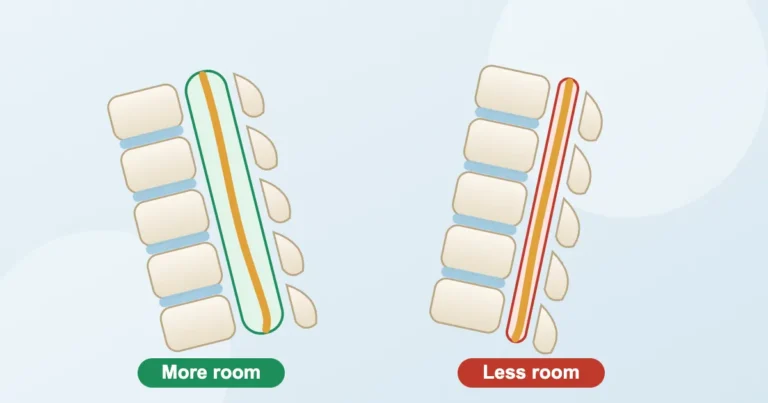

Our Plainview office has moved
Find us at our new location:
520 Old Country Rd
Plainview, NY 11803
Same doctors, same phone numbers.
Most Major Plans,
No-Fault & Personal Injury.
We accept most major insurance plans across our New York and New Jersey offices. Select your state to see accepted plans.
Accepted at our New York Locations
Workers' Compensation
No-Fault (NY & NJ)
Lien Cases
Medicare
Empire BCBS
BCBS / Anthem
Cigna
Aetna
Empire NYSHIP
Oxford (PPO)
United Health Care
GHI / Emblem Health
Humana (PPO)
Magnacare (PPO)
Northwell Direct
1199 SEIU
Self Pay
Accepted at our New Jersey Locations
No-Fault (NJ)
Lien Cases
Horizon BCBS
Empire NYSHIP
BCBS / Anthem (PPO)
Cigna
Aetna (PPO)
GHI / Emblem (PPO)
Port Authority UHC
Verizon Plan
Carpenter & Trade Unions
Self Pay
Medicare, Medicaid and Workers' Compensation are not accepted at our New Jersey locations. Not sure about your plan? Call us and we'll verify before your visit.
Not sure about your plan?
Call Us — 516-229-1443
Verify Your Coverage for FREE
Enter your information and our team will confirm your benefits before your visit.
✓ HIPAA Compliant
✓ No Obligation
✓ Same-Day Response
Your information is encrypted and secure. By submitting, you consent to receive communications regarding your appointment. You may opt out at any time.
Meet Our Pain Management & Orthopedic Specialists
Board-certified physicians dedicated to accurate diagnosis and minimally invasive care.

Pain Management
John Akhnoukh, M.D.
Board Certified Anesthesiologist & Interventional Pain Management Physician
Visit Profile



Pain Management
James Yu, D.O.
Board Certified Anesthesiologist & Interventional Pain Management Physician
Visit Profile

Pain Management
Benjamin Souferi, D.O.
Fellowship-Trained Interventional Pain Medicine Physician (Cleveland Clinic)
Visit ProfilePain Conditions Affecting Daily Life
Improve your quality of life with our comprehensive approach to pain management
We are dedicated to finding individualized treatment options tailored to fit your needs. Our team is dedicated to helping you lead a productive and active life, free from pain and disruption.
Our Locations
Pain management and orthopedic care across New York and New Jersey.